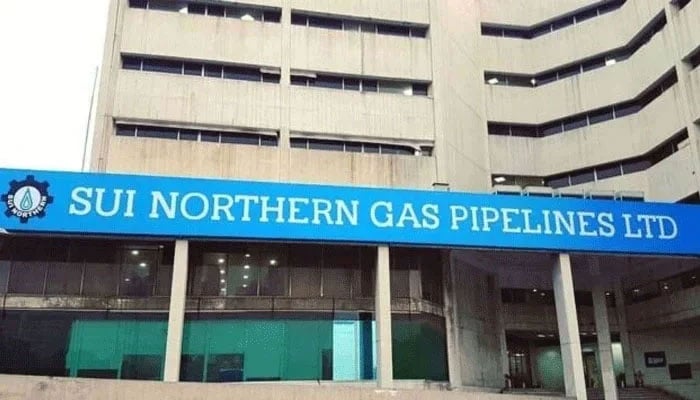
ISLAMABAD: The private sector on Monday flatly rejected a proposal by Sui Northern Gas Pipelines Limited (SNGPL) to raise gas transportation tariffs by up to 50 percent, warning the move would crush Pakistan’s newly opened competitive market and burden already stretched consumers.
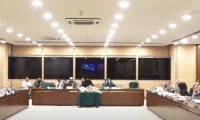
At a public hearing held by the Oil and Gas Regulatory Authority (Ogra), industry representatives said the tariff hike would strengthen SNGPL’s monopoly, discourage private investment, and undermine Prime Minister Shehbaz Sharif’s pledge to provide relief to households and businesses. They urged the regulator to cut tariffs, liberalise the market further, and allow private players to supply gas directly to residential consumers.
Ghyas Paracha, CEO of Universal Gas Distribution Company Limited (UGDCL), the country’s first private gas firm, said Ogra’s market-opening initiative was a step in the right direction, but warned the proposed tariff increase “would collapse the system entirely.” He said private players bore costs across the network yet lacked the protections afforded to state-run firms.
“The collapse of private players will only strengthen SNGPL’s monopoly,” Paracha cautioned, calling on Ogra to conduct performance audits of state utilities and establish uniform benchmarks for unaccounted-for gas (UFG).
Despite a deepening supply crunch, SNGPL’s profits nearly doubled to Rs38.9 billion in 2023-24 from Rs19 billion in 2019-20, even as operating expenses rose to Rs94 billion from Rs66 billion. Critics said this disconnect underscored flaws in the current return-on-asset mechanism, which rewards the company regardless of shrinking gas volumes and growing inefficiencies.
Stakeholders demanded reforms, including shifting to a multi-supplier and multi-buyer model, separating accounting for transmission, distribution, and sales, and adopting a fixed transportation tariff reviewed annually under Ogra rules.
The hearings also highlighted Pakistan’s worsening energy crunch. Owing to a glut of imported liquefied natural gas (LNG), indigenous gas supplies have been curtailed by about 400 mmcfd. Prime Minister Sharif is currently in Qatar seeking to divert LNG cargoes, even as commercial and industrial sectors at home face crippling shortages.
Asim Riaz of the All Pakistan Textile Mills Association (APTMA) backed full liberalization of the gas market, arguing that LNG clients did not face UFG issues and should be subject to separate benchmarks.
Ogra Chairman Masroor Khan said the regulator’s task was to balance consumer interests with investor needs, noting that it had already disallowed Rs84 billion in SNGPL’s claimed expenditures over the past five years to shield consumers.
But with SNGPL warning that end users are shouldering cross-subsidies and industry groups demanding an end to what they call unjustified returns for state-owned utilities, the battle over tariffs signals deeper reforms ahead.


-
 Aurangzeb confirms Saudi Arabia $10bn interest, says B2B shift ongoing
 -
 Pakistan to build artificial island to boost oil exploration
 -
 Special pink bus service launched for women on Green Line route
 -
 Same number plates from other provinces lead to wrong e-challans for Karachiites
 -
 State institutions ‘fail’ to perform constitutional duties: KP CM
 -
 CTD orders psychological testing of police on VVIP security duty
 -
 Navy busts drug consignment valued at $130m
 -
 Three ex-secretaries in race for ETPB chief post