Our headlines have recently been soaked in grief. Women have been murdered in their homes, abused on the streets, and burned alive behind closed doors.
Daughters, wives and sisters are being lost to the unchecked rage of men. Across Pakistan, thousands of women face threats not only to their safety and dignity, but also to their lives, often within the very spaces meant to protect them. The nation responds with hashtags, candlelight vigils and heated debates. And rightly so.
But beneath this violence lies a question we rarely ask: what is happening inside the minds of these men? What emotional wounds are left untreated until they manifest as control, rage, or destruction? This is not an excuse but a warning.
In Pakistan, masculinity is shaped early and rigidly. Be strong, stay in control, suppress your feelings. From childhood, boys are mocked for crying, scolded for showing fear and bullied for emotional softness. Emotions are equated with weakness, except anger, which is quietly permitted, even encouraged. Phrases like ‘boys will be boys’ excuse harmful behaviour and strip boys of accountability and emotional literacy.
Over time, this internalised script creates what psychologists call restrictive emotionality, a condition where men are unable to identify or express feelings in healthy ways. Without emotional tools, distress doesn’t disappear; it simply takes other forms: substance abuse, aggression, emotional detachment, or, in extreme cases, violence. Poor mental health, when left ignored, festers into dysfunction. And for some, that dysfunction turns dangerous.
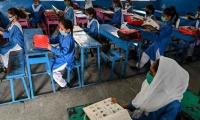
This emotional build-up often begins to surface in schools, where distress is misread as defiance and boys' struggles go unaddressed. Recent trends show that one in four school-going children in Pakistan experiences psychosocial distress, with boys disproportionately displaying externalised symptoms such as aggression and disruption.
As they grow older, although women are more frequently diagnosed with depression or anxiety, men are significantly more likely to die by suicide. In 2019, the World Health Organization reported over 19,000 suicide deaths in Pakistan, 14,771 of them were men. This staggering disparity reflects how little attention is given to men's mental health, and how few safe, accessible avenues exist for them to seek support.
For many men, the emotional toll is further compounded by economic pressures. They are raised to believe their worth lies in their ability to provide. In a country burdened by inflation, unemployment, and shrinking opportunities, especially in rural areas, many internalise failure long before they ever find their footing.
And so, the cycle continues. Boys become men who were never taught to feel, who then become fathers who don’t know how to model softness, who raise boys who are told once again to ‘man up’. What begins as poor mental health quietly metastasises into rigid masculinity, shame and, sometimes, the unthinkable.
To truly shift this pattern, the first step is engaging adult men who were raised in emotionally restrictive environments. Many of them inherited beliefs that equate silence with strength and control with character. These men must now become part of the solution. By questioning outdated definitions of masculinity and modelling emotional openness, they can give younger boys what they themselves were denied: permission to feel, to speak and to heal.
This cultural shift must be reinforced at home. In many Pakistani families, the emotional development of daughters is carefully nurtured, while boys are given a free pass. They are expected to toughen up, not open up. Parents must begin raising sons with the same intention and guidance they give to daughters, teaching them how to name their emotions, regulate anger and express vulnerability without fear of ridicule.
Schools can play a powerful role in this transformation. Emotional literacy should be integrated into the school curriculum, where behavioural issues are widespread but often misunderstood. Teaching children how to process emotions reduces disruptions and builds resilience before emotional pain turns into aggression.
Teachers, too, need support. In crowded classrooms with limited resources, educators often default to punishment rather than compassion. With training in trauma-informed practices, school staff can identify distress signals early and respond with care rather than control, making classrooms more supportive for everyone, especially boys whose pain is more likely to show through disruption.
Alongside these structural changes, we must also work to change public attitudes. Men in Pakistan are rarely shown examples of healthy vulnerability. Most grow up believing that seeking help is shameful. That belief needs to be dismantled through the media, workplaces and everyday conversation. When men begin to see that strength lies in self-awareness, not suppression, they may finally begin to seek the support they need and deserve.
Collectively, we owe this possibility to every boy growing up in a world that still looks down on men for being vulnerable. We owe it to the women and children harmed by untreated male rage. And we owe it to the generations to come to finally let our sons grow up whole, not hardened.
The writer is a clinical psychologistand head of programmes at Savaira, dedicated to making mental healthcare in Pakistan more accessible, inclusive and rooted in cultural realities.