Britain unveils radical defence overhaul to meet new threats
Defence secretary says UK's adversaries working more in alliance and technology was changing how war was fought
Britain said on Monday it would radically change its approach to defence to address threats from Russia, nuclear risks and cyber-attacks by investing in drones and digital warfare rather than relying on a much larger army to engage in modern combat.
Responding to US President Donald Trump's insistence that Europe take more responsibility for its own security, Prime Minister Keir Starmer has pledged the largest sustained increase in British defence spending since the end of the Cold War.
But with limited finances, the government's plan envisages making the army more lethal, not larger, by learning from Ukraine, where drones and technology have transformed the battlefield.
Defence Secretary John Healey said Britain's adversaries were working more in alliance, and technology was changing how war was fought.
"Drones now kill more people than traditional artillery in the war in Ukraine and whoever gets new technology into the hands of their armed forces the quickest will win," he said.
Starmer commissioned a Strategic Defence Review shortly after he was elected last July, tasking experts, including the former NATO boss, George Robertson, and a former Russia adviser to the White House, Fiona Hill, with formulating a plan for the next 10 years.
Despite cuts to the military budget in recent years, Britain still ranks alongside France as one of Europe's leading military powers, with its army helping to protect NATO's eastern flank and its navy maintaining a presence in the Indo-Pacific.
But the army, with 70,860 full-time trained soldiers, is the smallest since the Napoleonic era, and the government has said it needs to be reformed, given the growing strategic threats.
James Cartlidge, defence policy chief for the opposition Conservatives, said the government had failed to prove it could finance the review's recommendations, meaning it had "dodged the big decisions".
"An SDR [Strategic Defence Review] without the funding is an empty wish list," Cartlidge told lawmakers, many of whom criticised the government for not releasing the review first to parliament rather than to the media.
New defence age
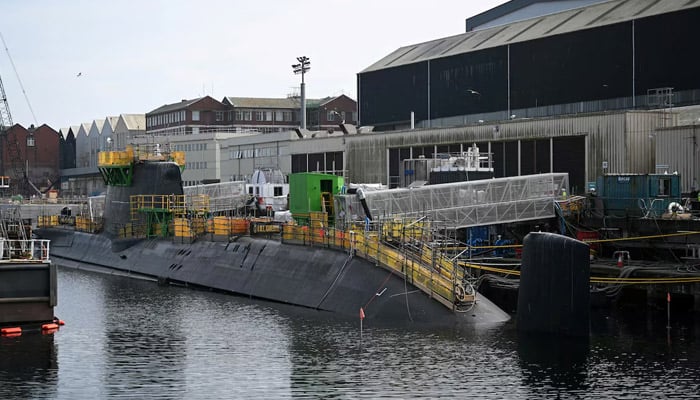
Under the plan accepted by the government, Britain will expand its fleet of attack submarines, which are nuclear-powered but carry conventional weapons, and will spend $20.3 billion before the next election, due in 2029, on the replacement of the nuclear warheads for its main nuclear fleet.
It will build at least six new munitions plants, procure up to 7,000 British-made long-range weapons, and launch new communication systems for the battlefield.
A Cyber and Electromagnetic Command will lead defensive and offensive cyber capabilities, after British military networks faced more than 90,000 "sub-threshold" attacks in the last two years.
But on the size of the armed forces, the review said it would not reduce numbers, even as a greater emphasis is put on technology, but increasing the total number of regular personnel should be prioritised when funding allows, likely after 2029.
"The moment has arrived to transform how we defend ourselves," Starmer told workers at BAE Systems' Govan shipbuilding site in Scotland, saying he would "end the hollowing out of our armed forces".
"When we are being directly threatened by states with advanced military forces, the most effective way to deter them is to be ready," he said.
Starmer has already said defence spending would increase to 2.5% of GDP by 2027, from 2.3%, but critics and political opponents urged the government to put a date on when it would move to 3% of GDP.
Reuters has previously reported that NATO Secretary General Mark Rutte wants members to raise defence spending to 3.5% of their GDP, and a further 1.5% on broader security-related items to meet Trump's demand for a 5% target.
Starmer said he was "100% confident" that British defence spending would hit 3% in the next parliament, likely between 2029-2034 — something the review took into account when drafting its recommendations.
The government described its policy as "NATO first", drawing on the strength of the alliance's members, which meant it would never fight alone.
Starmer has sought to cast the higher defence spending as a way to create jobs and wealth, as he juggles severely strained public finances, a slow-growing economy and declining popularity among an increasingly dissatisfied electorate.
The announcement about new submarines helped lift the share prices of defence groups Babcock, BAE and Rolls-Royce.


-
 Trump urged to share all UFO files as lawmaker group moves to Congress
 -
 United Airlines plane diverted and passenger detained after in-flight incident
 -
 Eileen Wang, former Californian mayor, guilty of acting as secret agent to China
 -
 ‘More than capable’: Pentagon chief warns US ready for renewed Iran strikes if no deal is reached
 -
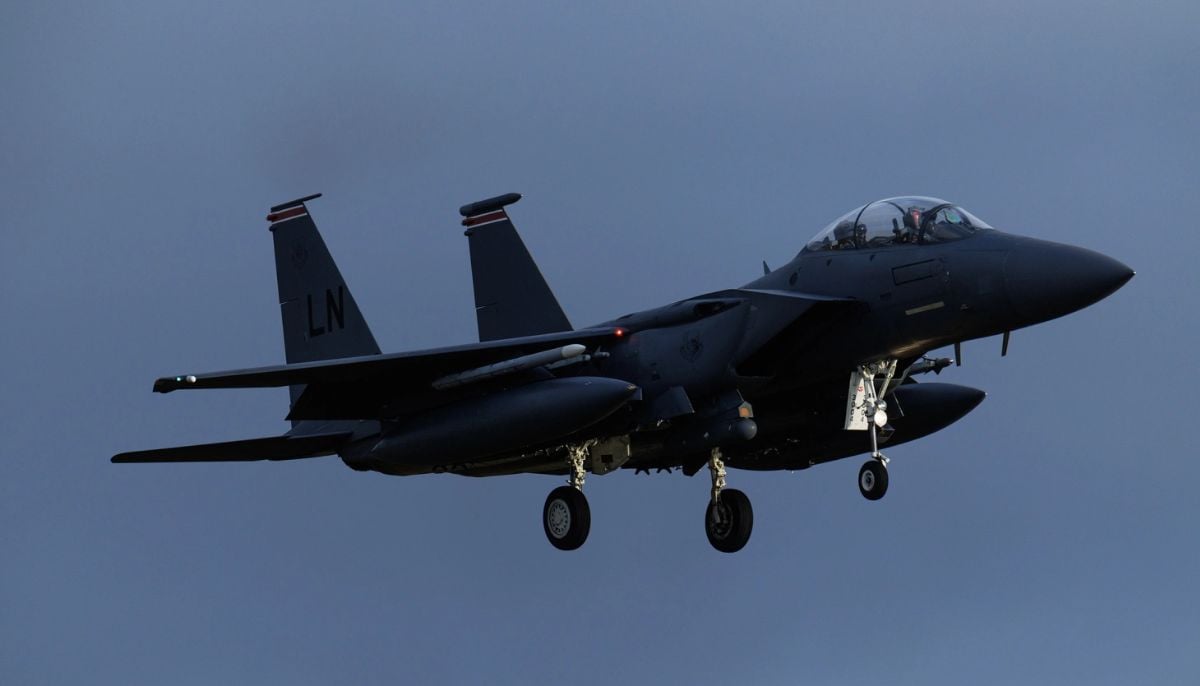 Iran may have used Chinese-made missile to down US fighter jet, sources say
 -
 US claims $1billion Iranian crypto assets, aims to confiscate properties, says Bessent
 -
 Canada’s economy flatlines amid trade war pressure and weak investment
 -
 Hurricanes move closer to Stanley Cup final after beating Canadiens 3-0
-
 NATO condemns Russia after drone hits apartment building in Romania
 -
Pete Hegseth tells allies 'free ride' on US defence spending is over
-
Donald Trump's name to be removed from Kennedy Centre as federal judge rules signage unlawful
-
US: ICE agent arrested in Texas over Minneapolis shooting allegations