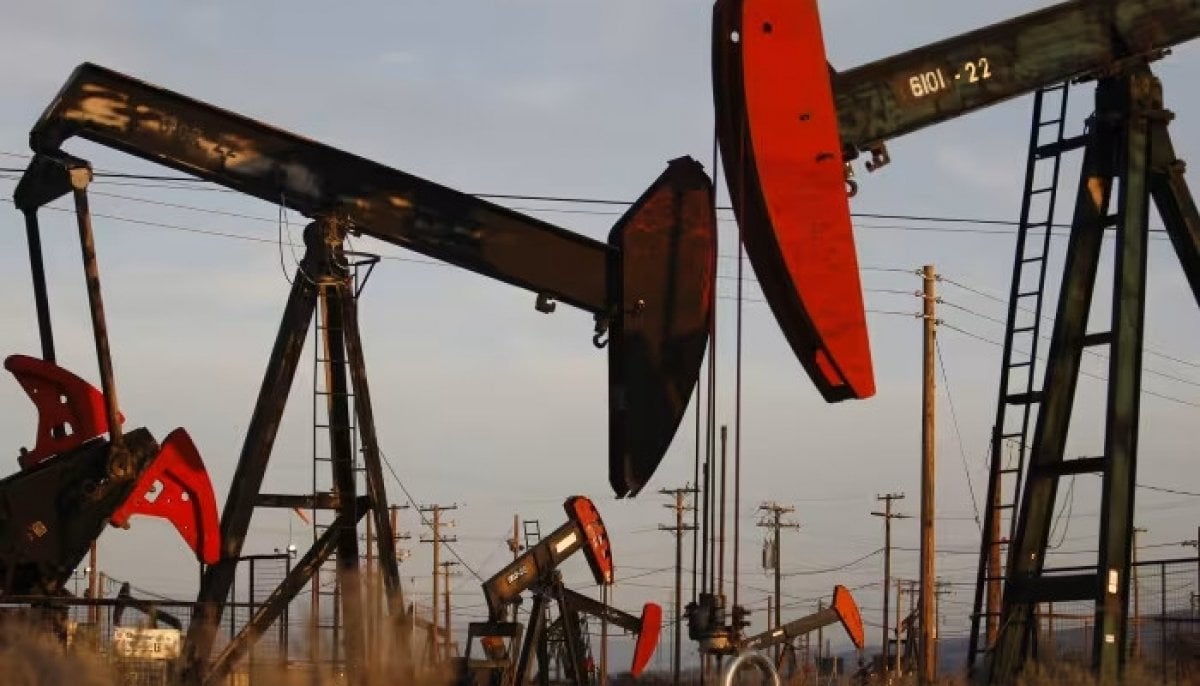
Pakistan achieves macroeconomic stability in one year: PM Shehbaz
“Our efforts are focused on some key areas including mining and minerals," says premier
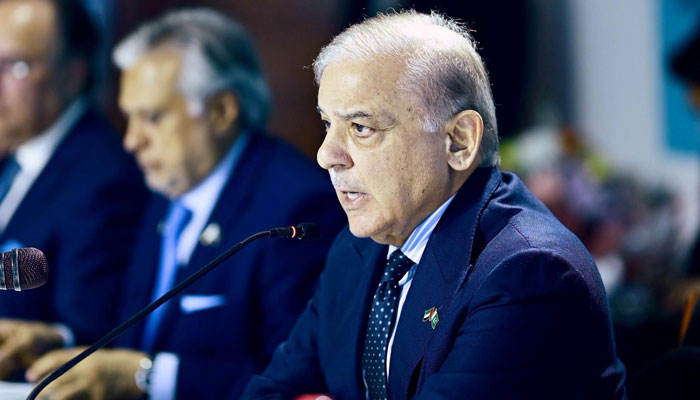
DUBAI: Prime Minister Shehbaz Sharif on Monday said Pakistan achieved macroeconomic stability in the last one year with the help of the International Monetary Fund programme (IMF).
Speaking to Pakistani business leaders and investors, he said the macro level foundation of the Pakistani economy had gradually improved in the previous year as the inflation was at 2.4% in the month of January and bank’s policy rate was at 12%.
The exports had improved as compared to last year and the foreign remittances touched the level of three billion dollars which was a record, he explained.
He said the country would have to overcome tough economic challenges, adding the government was moving in the right direction with the goal to achieve economic growth.
“Our efforts are focused on some key areas including mining and minerals,” he remarked. Pakistan was working together with the United Arab Emirates and Saudi Arabia to extract its immense mineral resources, he continued.
The prime minister said it was unfortunate that not much progress was made in the mining sector to exploit country’s minerals worth trillions of dollars.
He said another area of vital importance was information technology and proper training of youth in this field could help the country turn around its economy. Pakistan’s 60 percent population was 15-30 years old, he noted.
The premier said Pakistan was endowed with immense resources in the agriculture sector but in the last many decades per acre yield remained marginal as modern techniques and technology were not introduced to promote crop production.
“Many countries moved ahead of Pakistan in the production of rice, sugar, cotton and wheat and we lagged behind our neighbouring countries.”
He informed that the government was funding a programme to send 1000 fresh agri graduates for training to China in various fields related to agriculture.
He expressed hoped that after return from China these students would be well equipped with modern knowledge to assist the country in increasing its agriculture production.
He stressed that country needed to convert its agriculture production into value added products to gain better economic growth.
“We needed to focus with complete dedication and commitment so we can move forward with speed to gain results for the economy,” he said adding team work was needed to transform society in every walk of life.
He assured that the government would include suggestions of the business leaders in its economic programme.


-
 Apple faces record $5.7 billion patent verdict over haptic technology: Here’s why
 -
 Anthropic IPO: Co-founders push for majority voting power
 -
 Trump-Xi summit: China sees ‘surprise’ surge in U.S. orders
 -
 Polymarket sues New York Attorney General to block prediction market crackdown
 -
 AI tools for health generated nearly $1 billion in extra costs: report
 -
 Qualcomm and Apple extend global patent licensing agreement: What to know
 -
 Chinese AI startup DeepSeek hits $1 billion annualized revenue run rate following API price hikes
 -
 Morgan Stanley staffer accidentally emails Asia deal to outsiders: Key details to know
-
 Oil prices drop for fifth straight session amid hopes for Iran diplomacy and Saudi pipeline
 -
Apple aims to take on Microsoft, Nvidia in a rush to lower AI costs with new devices
-
SoFi launches first U.S. stablecoin settlements on Mastercard: What users need to know
-
Banks raise red flags over AI shopping bots and scam risks: What to know