Dhaka unrests fuel demand for PM Hasina's resignation
“The Bangladesh Army is symbol of trust of people,” army chief Waker-uz-Zaman tries to awaken the military officers
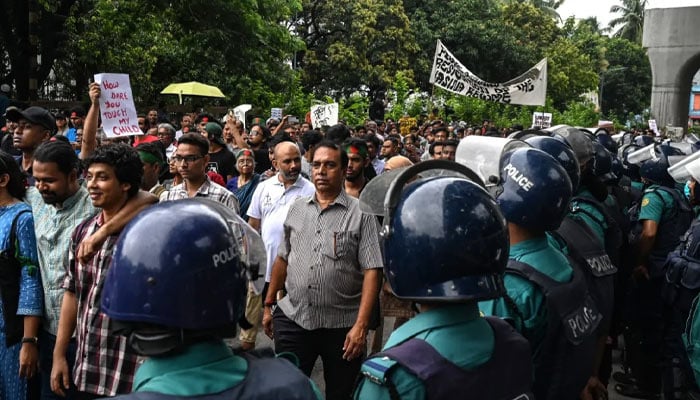
In the wake of widespread government discrimination, number of Bangladeshis gathered in a central square in Dhaka and urged Prime Minister Sheikh Hasina to resign from her position.
At least a dozen people were killed and dozens more injured in clashes in Bangladesh on Sunday, as police fired tear gas and lobbed stun grenades to disperse tens of thousands of protesters calling for Prime Minister Sheikh Hasina to resign, Reuters reported.
As the key protest leader in the country, Asif Mahmud urged supporters to fight against the injustice. He was able to do so by posting on his Facebook handle on Sunday, Al Jazeera reported.
“Prepare bamboo sticks and liberate Bangladesh,” he posted.
Initially, the army stepped forward to maintain peace and restore order within the country.
Nevertheless, some former military officers have joined the student movement. An ex-army chief, General Iqbal Karim Bhuiyan, showed support by turning his Facebook profile picture red.
Earlier on Saturday, army chief Waker-uz-Zaman tried to awaken the military officers and make them realise their importance for the people of Bangladesh.
“The Bangladesh Army is the symbol of the trust of the people,” he said.
“It always stood by the people and will do so for the sake of people and in any need of the state,” he said, according to an army statement issued late on Saturday.
This is to remind that all these demonstrations were in retaliation for the unjust quota system in the country.
The Bangladeshi asked the government to make jobs accessible to everyone, regardless of an individual’s family or group.
Additionally, the protests soon turned out to be violent, with more than 200 people being killed. This period is known to be the worst period of unrest during Hasina’s 15-year tenure.
The unrest continued and led to people not paying taxes and utility bills on Sunday, posing pressure on Hasina’s government.
Meanwhile, 76-year-old Hasina has been ruling Bangladesh since 2009. She is accused of misusing state institutions and killing opposition activists just to gain power in the country.


-
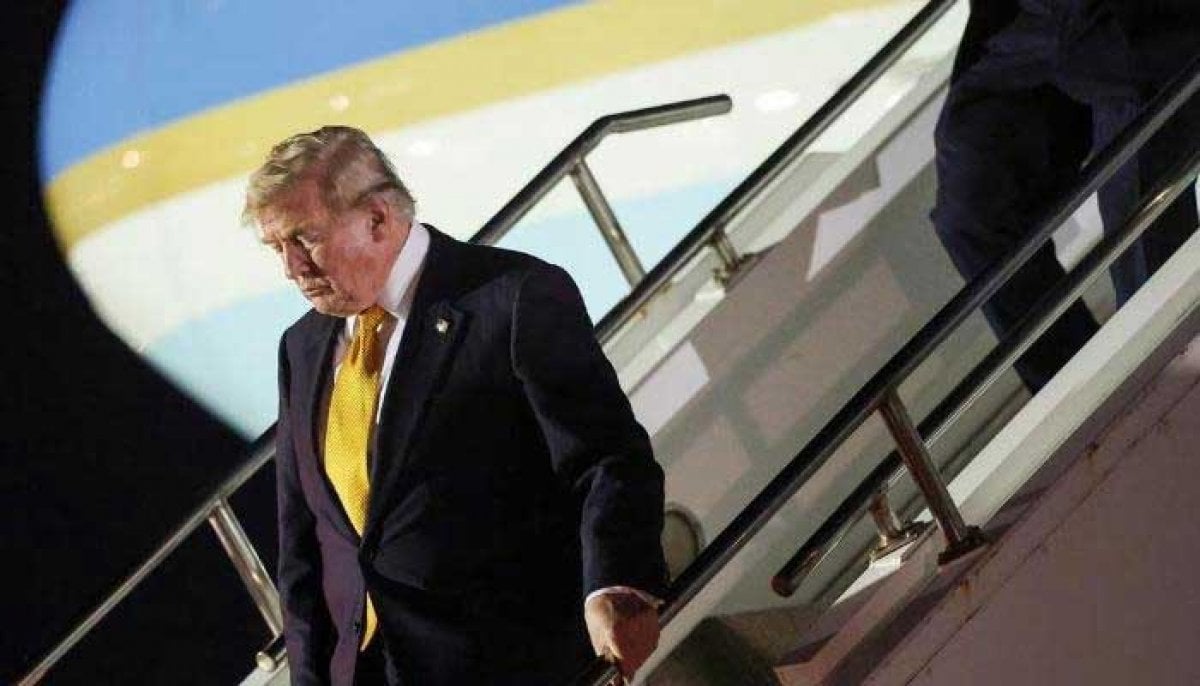 Trump's unexpected Air Force One switch raises security questions amid Iran conflict
 -
 US Senate candidate Graham Platner drops out after sexual assault allegations
 -
 Nancy Guthrie update: Ex-FBI agent believes main evidence on masked man could be in police hands
 -
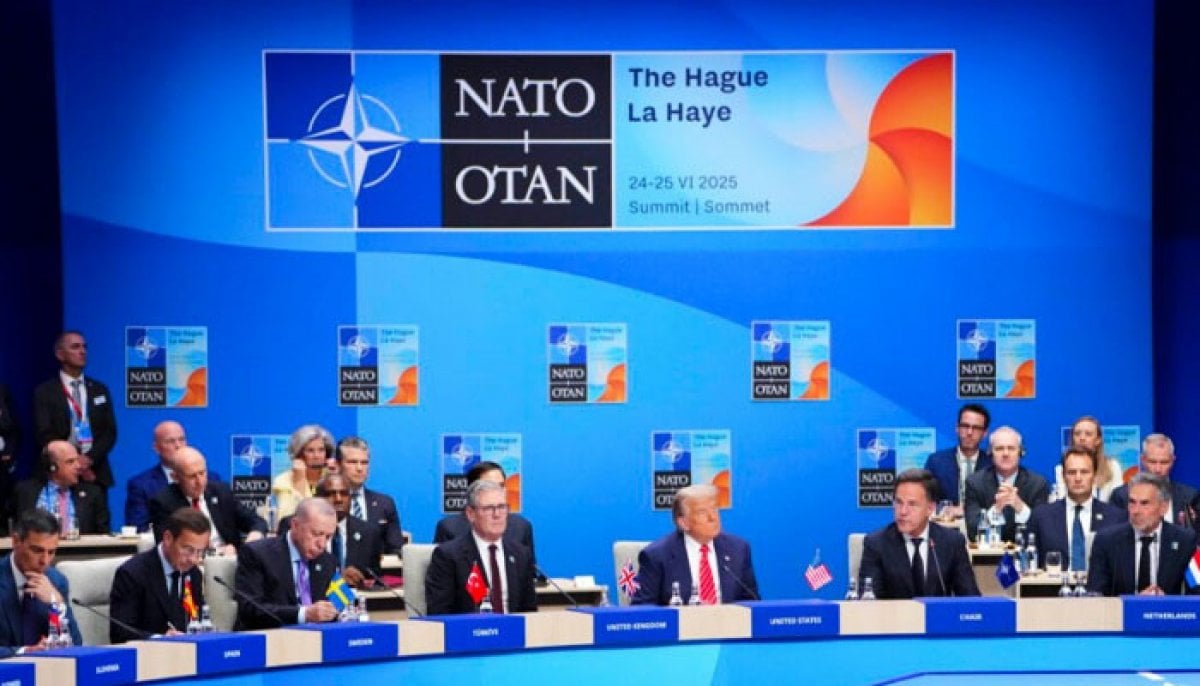 NATO Summit 2026: Key takeaways from the Ankara meeting explained
 -
 EU targets waste incineration plants with new carbon emissions costs
 -
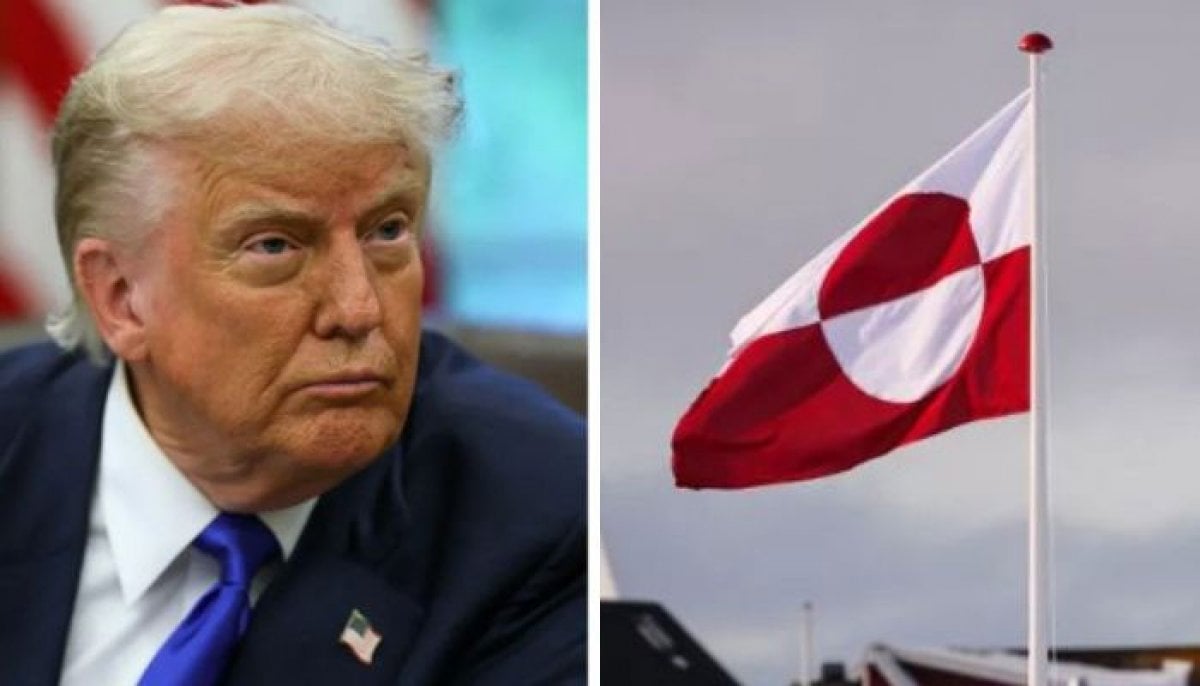 Trump reignites Greenland row at NATO summit
 -
 Trump leaves NATO chief Mark Rutte red-faced over Albania PM’s shoes
 -
 Climate change threatens to squeeze Italy’s growth, deepen debt vulnerability
-
 Marine Le Pen launches Presidential campaign amid cheers, boos after guilty verdict
 -
Oil prices jump 6%, stocks tumble after Trump says Iran MoU is ‘over’
-
Trump says Memorandum of Understanding with Iran ‘is over’: What it means for US-Iran relations
-
Trump orders complete ‘trade cutoff’ with Spain: Here’s why