Deadly unrest in Bangladesh capital leads to arrest of over 500 people
Bangladesh's top court's reduced hiring quotas did not deter university student leaders, whose protests led to clashes
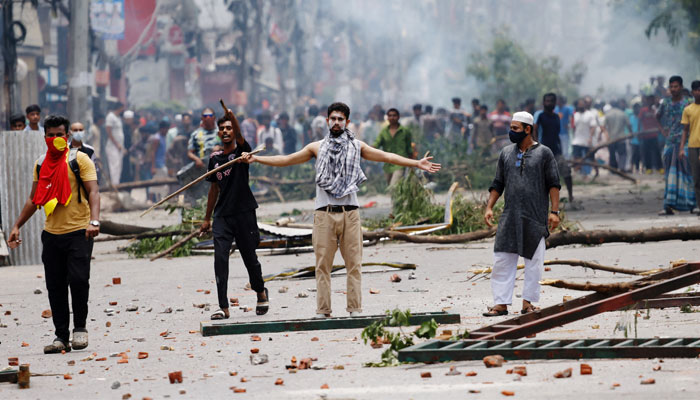
Over 500 individuals, including opposition figures, were arrested amid widespread violence in Dhaka, the capital of Bangladesh, leading to the deaths of 163 people, following protests sparked by students opposing civil service hiring rules, police said Monday.
Initially focused on challenging politicised admission quotas for coveted government jobs, demonstrations escalated into some of the most severe turmoil during Bangladesh Prime Minister Sheikh Hasina's leadership.
A curfew is currently in effect, with soldiers stationed in urban areas throughout the South Asian nation. Additionally, a nationwide internet blackout has severely limited communication with the outside world since Thursday.
"At least 532 people have been arrested over the violence" since the unrest began, Dhaka Metropolitan Police spokesman Faruk Hossain told AFP.
"They include some BNP leaders," he added, referring to the opposition Bangladesh National Party.
Bangladesh's top court on Sunday reduced hiring quotas for specific groups for government jobs, which are seen as secure and sought-after. However, this decision did not deter university student leaders, whose protests against the quota scheme have led to nationwide clashes.
A spokesman for Students Against Discrimination, the main group responsible for organising the protests, told AFP: "We won't call off our protests until the government issues an order reflecting our demands."
Quota scheme's reintroduction upsets graduates
With around 18 million young people in Bangladesh out of work, according to government figures, the quota scheme's reintroduction deeply upset graduates facing an acute jobs crisis.
The Supreme Court decision curtailed the number of reserved jobs from 56% of all positions to 7%, most of which will still be set aside for the children and grandchildren of "freedom fighters" from Bangladesh's 1971 war with Pakistan.
While the decision represented a substantial reduction to the contentious "freedom fighter" category, with 93% of jobs to be awarded on merit, it fell short of protesters' demands to scrap it altogether.
The "freedom fighter" quota in particular is resented by young graduates, with critics saying it is used to stack public jobs with loyalists to Hasina's ruling Awami League.
Opponents accuse her government of bending the judiciary to its will.
Hasina, 76, has ruled the country since 2009 and won her fourth consecutive election in January after a vote without genuine opposition.
Her government is also accused by rights groups of misusing state institutions to entrench its hold on power and stamp out dissent, including by the extrajudicial killing of opposition activists.


-
 Vanessa Trump sparks fans reactions as she rejects rumours of rift with Tiger Woods
 -
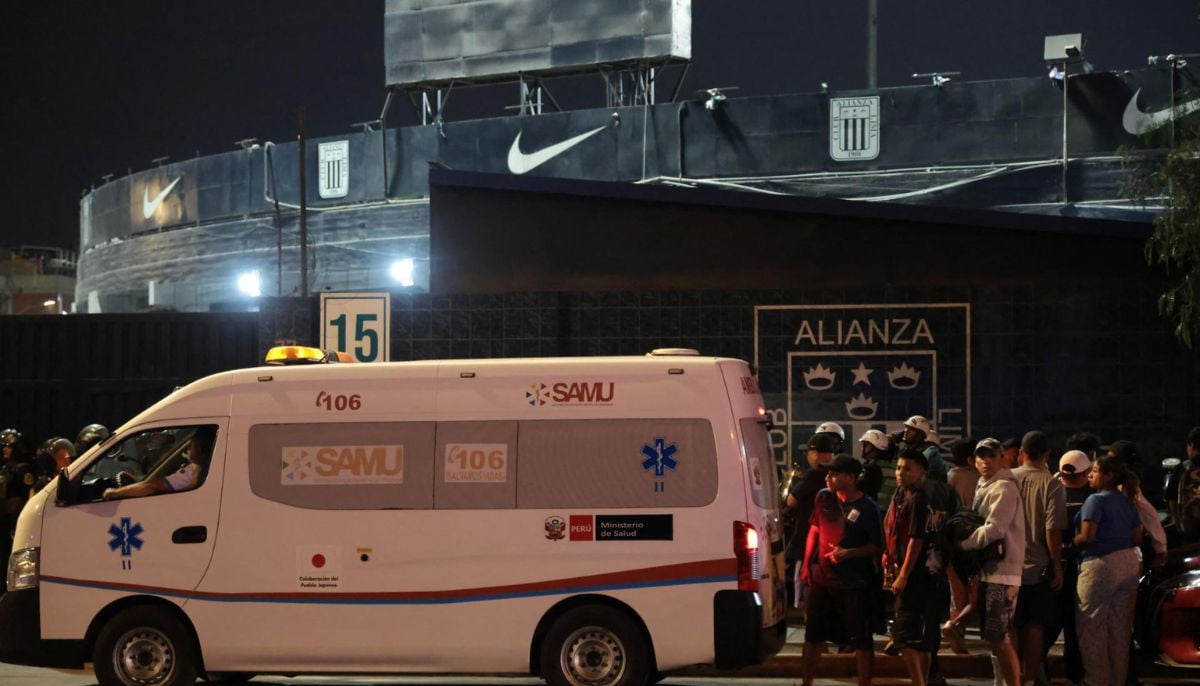 Tragedy at Peru football derby: One dead, 47 injured in rally at Alejandro Villanueva Stadium
 -
 Where Vanessa Trump stands with Tiger Woods amid DUI drama
 -
 NASA Artemis II moon mission captures stunning Earth images during historic lunar journey
 -
 Canadian citizenship new eligibility rules explained: who qualifies and what has changed
 -
 A10 Warthog hit as US jet downed in Iran, one crew rescued and search underway for second
 -
 Meningococcal disease, dangerous bacterial infection, hits decade high in Canada
 -
 Sam Altman's OpenAI buys TBPN to expand communication strategy and shape AI public debate