Egypt receives $14bn from UAE to develop Ras Al Hekma
Egypt expects to attract $150bn in investments by developing its coastal city
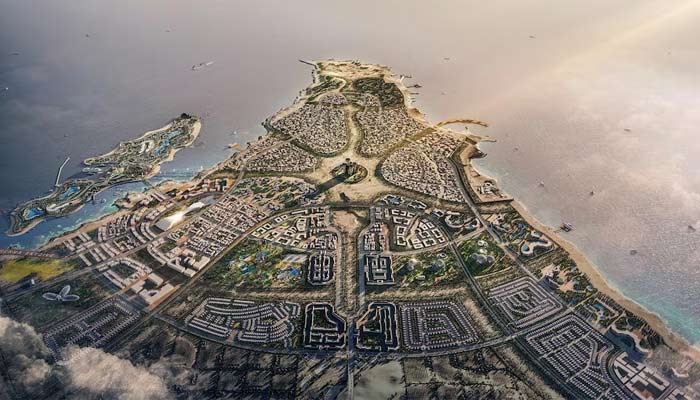
Egypt has received a $14 billion payment from the United Arab Emirates for the development of its coastal city Ras Al Hekma to boost its economy.
This marks the second payment from the UAE as part of a whopping $35 billion deal between the countries, signed in February, for the development of the coastal city, The National reported.
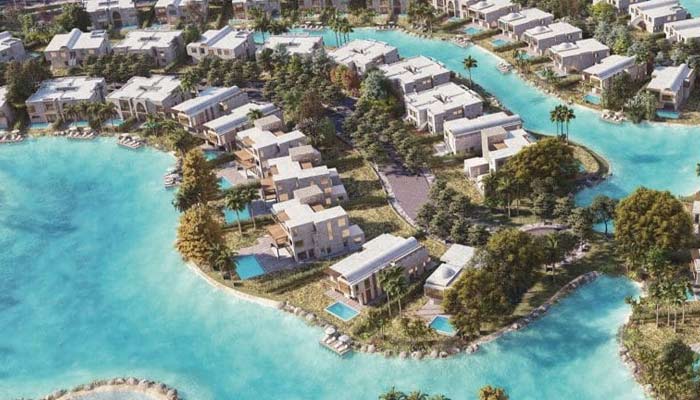
The Egyptian coastal city, about 350km north-west of Cairo, covers an expanse of over 40,600 acres and will feature a several residential districts, prestigious international hotels, and mesmerising tourist resorts.
The development plan includes entertainment venues, hospitals, educational institutions and world-class universities that will leave visitors captivated.
The development is also expected to attract more foreign direct investment, boost trade, create new jobs and support Egypt's private sector.
Additionally, the city will have free economic zones dedicated to information technology industries, to bring forward and develop groundbreaking ideas.
The deal is also about creating a hub that will shape the future of North Coast and Egypt.
The agreement makes Ras El Hekma a great spot for investors looking to capitalise on a growing market as Egyptian Prime Minister Mostafa Madbouly had said in February that the project is expected to attract as much as $150 billion in investments.


-
 China weighs allowing ByteDance, Alibaba to purchase new Nvidia RTX Pro 5500 chips
 -
 Why Bill Gates is calling for stronger AI rules amid growing safety concerns
 -
 Meta’s Muse agent targets one of the economy’s most profitable sectors: Key details to know
 -
 Andy Burnham refuses to back Heathrow’s third runway
 -
 US, China agree to $30 billion tariff cuts; Launch 'Super Intelligence' AI dialogue
 -
 Apple faces record $5.7 billion patent verdict over haptic technology: Here’s why
 -
 Anthropic IPO: Co-founders push for majority voting power
 -
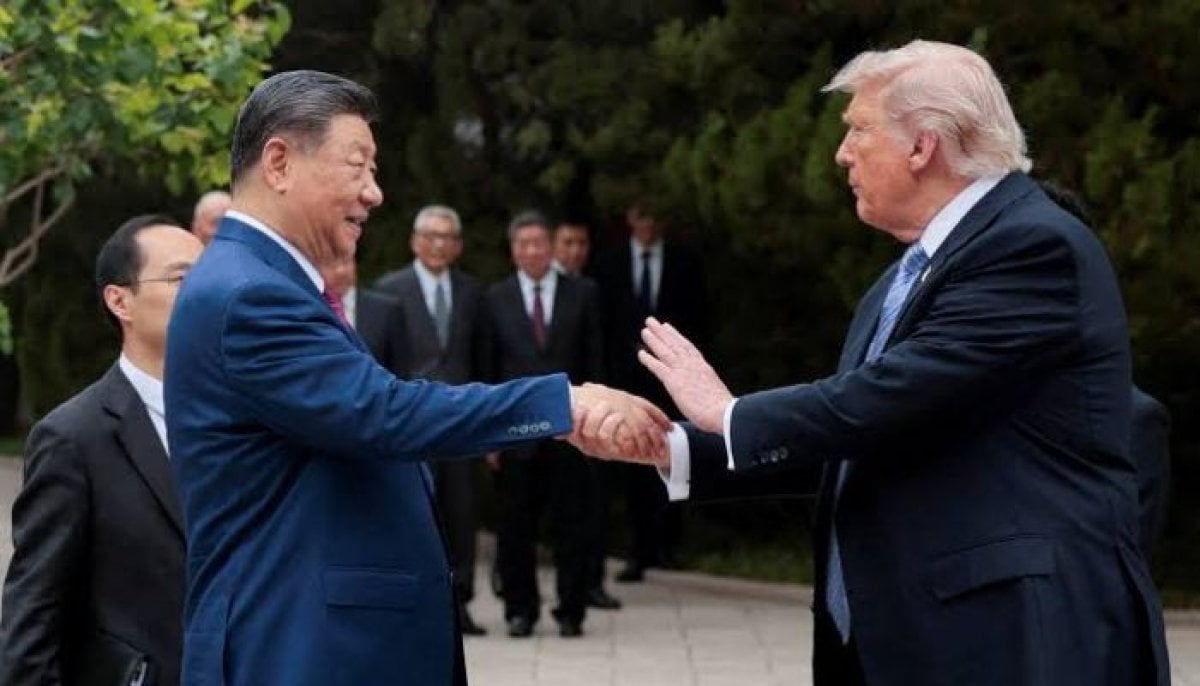 Trump-Xi summit: China sees ‘surprise’ surge in U.S. orders
-
 Polymarket sues New York Attorney General to block prediction market crackdown
 -
AI tools for health generated nearly $1 billion in extra costs: report
-
Qualcomm and Apple extend global patent licensing agreement: What to know
-
Chinese AI startup DeepSeek hits $1 billion annualized revenue run rate following API price hikes