Why China hates William Lai Ching-te, Taiwan's new president-elect
President-elect Lai Ching-te of Taiwan promises to defend self-governing island against "intimidation" from China
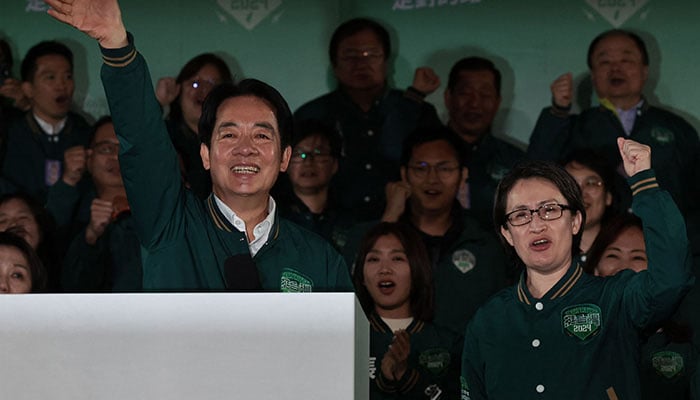
Taiwan's presidential election was won by William Lai Ching-te of the ruling Democratic Progressive Party (DPP) in spite of China's advice not to back him.
China claims Taiwan as part of its territory, and on Saturday, President-elect Lai Ching-te of Taiwan promised to defend the self-governing island against "intimidation" after voters rejected Beijing's threats and massively supported him in the election, according to AFP.
Beijing has characterised Lai as a threat to stability in the unstable region. Nevertheless, Lai won an unprecedented third consecutive term for the DPP in the poll after an intense campaign in which he positioned himself as the defender of Taiwan's democratic way of life.
Divided from the mainland by a strait of 180 kilometres (110 miles), Communist China claims the democratic Taiwan, and it is prepared to use force to achieve "unification" even in the absence of an immediate threat to peace.
Beijing, which warned voters to stay away from Lai and called him a "severe danger" before the election, said the results would not stop "the inevitable trend of China's reunification."
During his victory address, Lai committed to protect Taiwan from Chinese invasion while simultaneously keeping peace and stability in the Taiwan Strait.
"We are determined to safeguard Taiwan from continuing threats and intimidation from China," he told supporters.
Following the tabulation of votes from each polling location, the Central Election Commission declared that Lai had garnered 40.1% of the overall vote, surpassing the 33.5% received by opposition Kuomintang (KMT) candidate Hou Yu-ih.
Beijing and Washington, were closely watching the election as the two titans fought for sway in the strategically crucial region.
Lai thanked the people of Taiwan for "writing a new chapter in our democracy" and for listening to China's one-party state's warnings and threats.
He said that he would also make an effort to develop contacts with China. "We are telling the international community that between democracy and authoritarianism, we will stand on the side of democracy," he added.


-
 Trump-Xi summit 2026: US, China unite on Iran nuclear issue
 -
 FBI offers $200K reward for former agent Monica Witt accused of spying for Iran
 -
 Oil prices rise after Trump says China wants US crude oil
 -
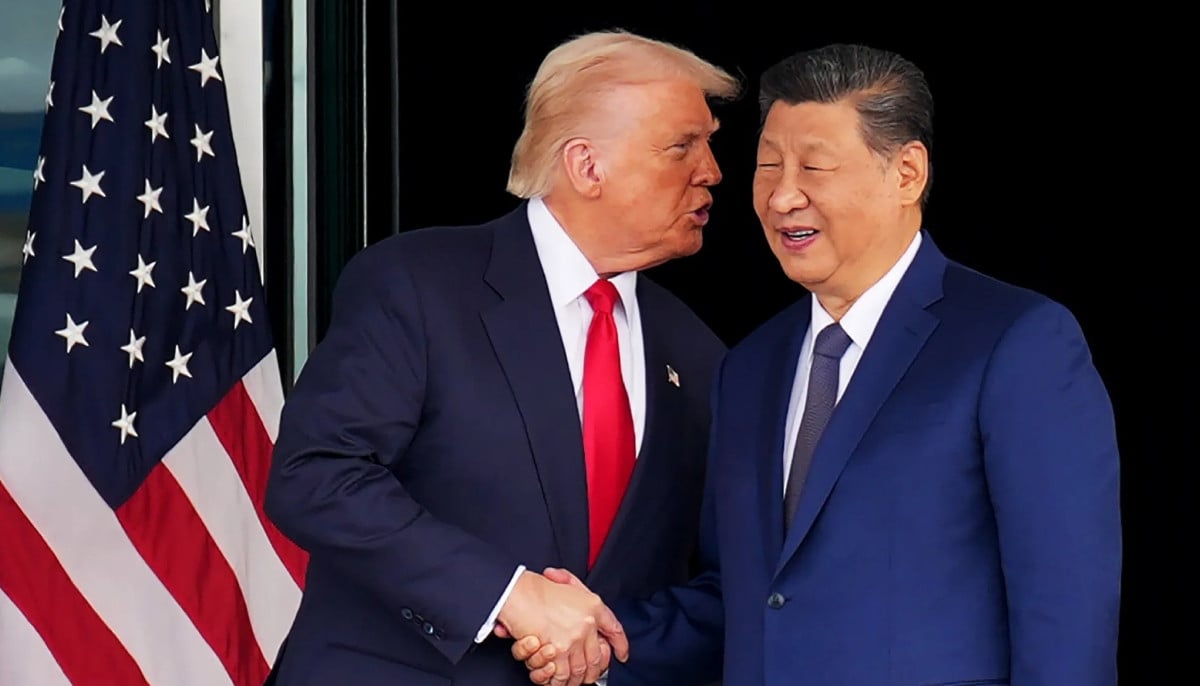 Trump hails 'fantastic trade deals' after private meeting with Xi in Beijing
 -
 Canada launches new strategy to double electricity capacity by 2050
 -
 Epstein victim Roza left traumatized by DOJ 'mistake'
 -
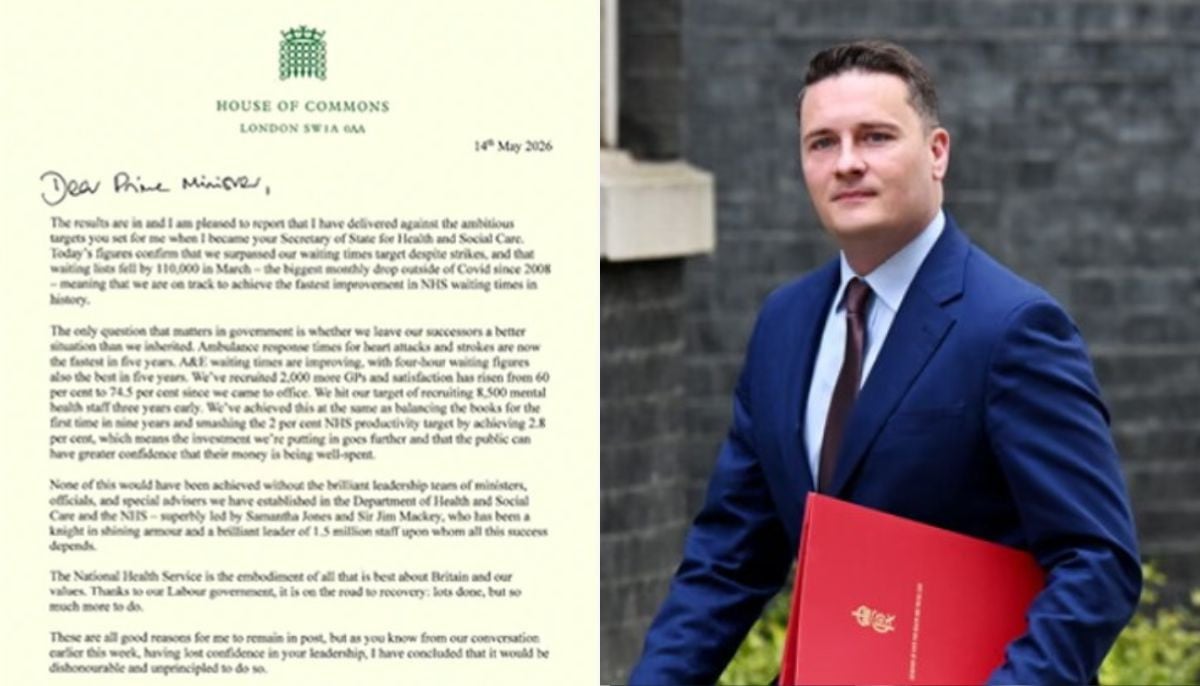 Wes Streeting loses confidence in Starmer, resigns as UK Health Secretary
 -
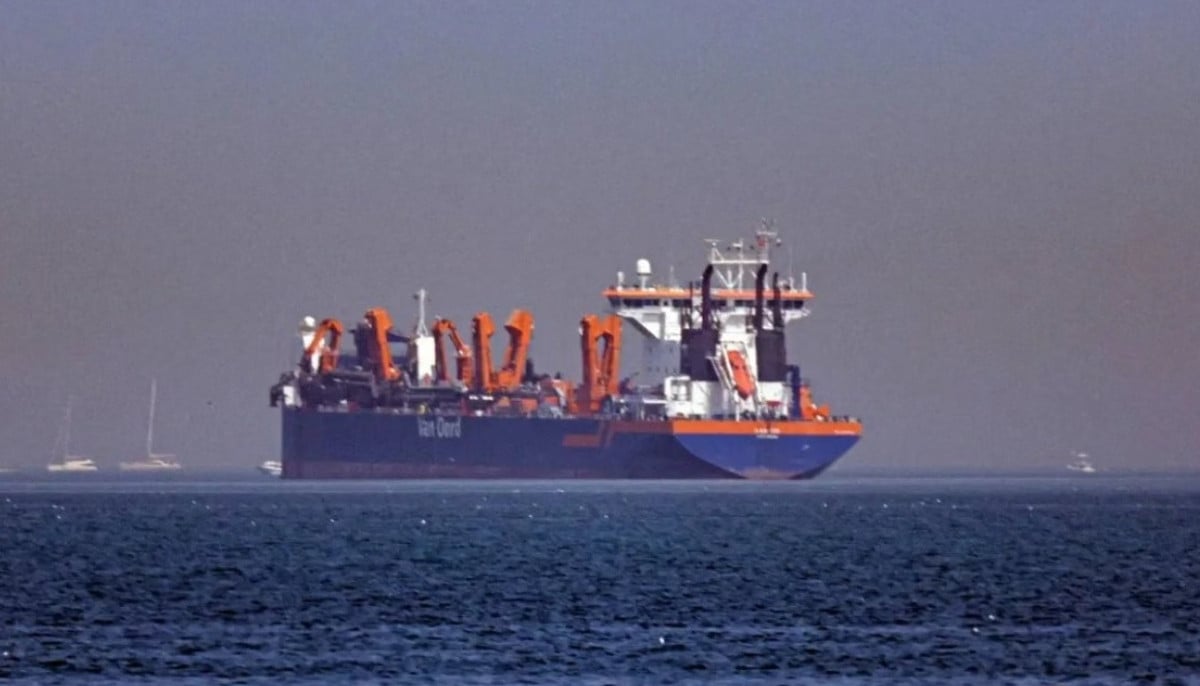 Iran opens Strait of Hormuz access to Chinese-linked tankers
-
 US Treasury chief says Iranian ports blockade is working in putting pressure on Iran's economy
 -
Iran urges BRICS to challenge West’s ‘false sense of superiority’
-
How China allowed sanctioned Marco Rubio into Beijing with a Chinese name for Trump visit
-
Israel-Lebanon talks kick off in Washington with US officials involved