Print Story
X




A book on terrorism that looks beneath the surface and reveals a lot
The state of Pakistan is struggling to tackle myriad challenges of which extremism and the resulting terrorism are the most pressing ones. Mostly extremism is seen in the context of religious intolerance and, on occasions, adventurism but the fact is that this phenomenon has a lot do with the political, regional, linguistic and sectarian landscape of the country.
Therefore, it is established that extremism cannot be rooted out from the society without taking into account these factors, addressing the problematic areas and redefining the wider narrative that has done immense damage in the past. It will not be wrong if one says extremism has permeated into every segment of the society and plagued the minds of people regardless of where they come from.
This is the premise of the book titled Dehshat Gardi: Aik Fitri Mutaliya (Terrorism: An Intellectual Study) written by Salman Abid who has decades of work experience as a development sector professional, columnist, political analyst and commentator. The book, published by Jamhoori Publications, looks into the factors that have contributed to the growth of extremism and terrorism in the country and left a mark on the minds of the once tolerant people of this country.
The writer challenges the notion that terrorism in the country is merely a product of external factors and tries to establish it with argument that it is very much a homegrown phenomenon. He relates it to the inherent problems of the existing political system and the inability of the state to perform its functions properly and serve the masses. In his opinion, the space that the state provides to the extremist elements help the latter influence the minds of the vulnerable lot estranged due to state’s neglect.
The book, comprising 340 pages, has been divided into various chapters that talk about the relation between terrorism and the different factors at play, the impact of this menace on the society at large, the ways and mechanisms put in place to tackle it, the role of law enforcing authorities, political parties, local governments, media etc in this context and so on.
Prominent analysts Hasan Askari Rizvi, Prof Dr Rasool Bukhsh Raees and Farrukh Shohail Goindi and former foreign secretary Shamshad Ahmad Khan have reviewed the book and given their comments on the flap and in the preface. Just to mention one, Dr Raees points out that the author has very articulately stressed that the war against extremism and terrorism cannot be won only with the use of force; dialogue, tolerance, peaceful coexistence and participatory involvement in a true democratic process are the real tools that matter. The ongoing war, he says, is being led by the armed forces but for far reaching results the full-fledged support of political leadership and the sitting government is imperative. This is exactly what Salman Abid has tried to convey in this book, he mentions.
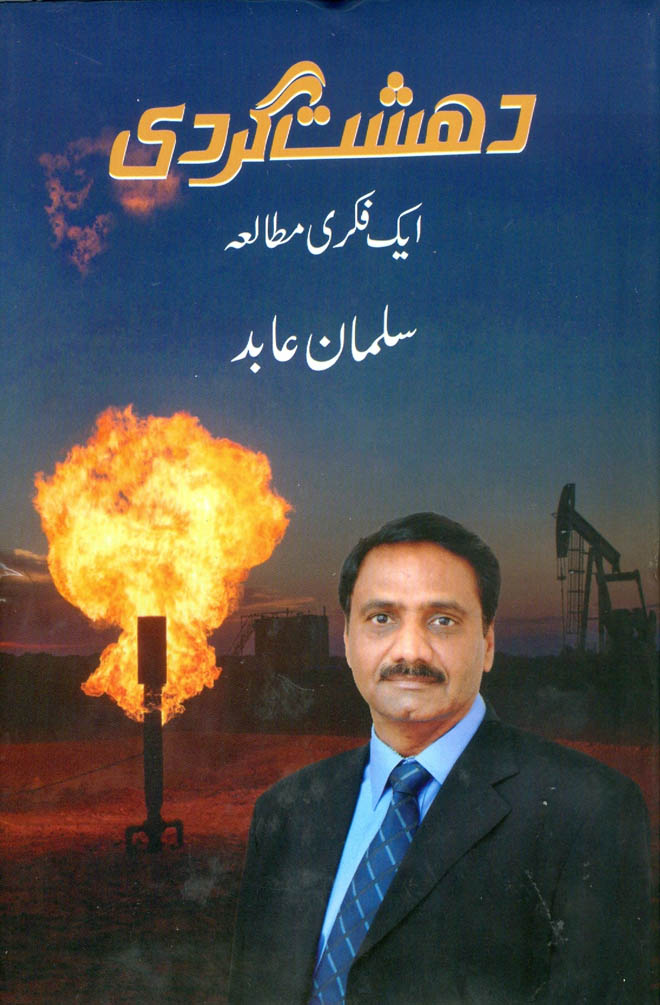
The author, Salman Abid, shares that it took him around one and half years to organise his thoughts and finalise the book. He says he has tried to substantiate his argument with supporting evidence and authentic references that make it a good resource for students, researchers, scholars, journalists etc.
In addition to the academic research, Abid claims he carried out literature review, arranged Focus Group Discussions (FGDs) with stakeholders at grassroots level, held both on-the-record and off-the-record parleys with officials engaged in anti-terror campaigns/offensives, interviewed individuals inspired by extremist views etc to reach a conclusion. The experience of working for development organisations focusing on poverty alleviation took him to places where he could see how vulnerable the impoverished classes were to the calculated advances of extremist organisations.
The chapter about media is quite interesting as it mentions how it has promoted abusive talk and intolerance, especially through talk shows. The participants of these talk shows ridicule and humiliate others and win accolades from their party leaders. There is also a detailed mention of trust deficit between the military leadership and the political leadership and how it has hampered progress on initiatives aimed at curbing terrorism. The writer also takes the liberty to write down that the National Action Plan (NAP) does not enjoy full support of provincial governments who have implemented it partially and are refraining from adopting it in totality.
Last but not the least, the "annexures" section of the book carries important documents and data collected from different sources that are hard to find at one place. For example, there are historic compilations regarding acts of terrorism and resulting casualties and injuries, drafts of NAP and National Security Policy 2014-2018, lists of registered political parties in Pakistan, details of different terrorist groups and their respective leaderships, code of ethics for media and religious decrees against terrorism and mutiny against state issued from time to time. This definitely makes it a document one would like to revert to again and again.