Print Story
X




With the currency and stock markets plunging in the aftermath of Brexit, Pakistan is bracing itself for economic challenges that may follow
Britian’s decision to exit the European Union (EU) has caused significant volatility in the international currency market and stock exchanges. There is also a negative sentiment on the investment front as everyone is worried about the likely impact of the decision on the global as well as national economies. Many investment plans have been put on hold.
There is skepticism as well -- that other EU countries may at some time follow the example of Britain and think about quitting the alliance. The whole world is bracing for economic challenges that may follow.
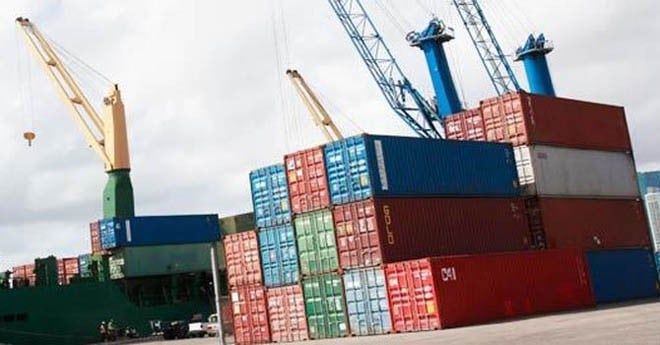
Pakistan, which is a major trading partner of the UK, is also concerned about the likely impact of Brexit on its economy. While different sectors of the economy are working on their calculations, the government of Pakistan has come up with an abrupt statement that Brexit will hardly have any impact on the country’s economy, at least in the short run. Regarding the likely fall in exports to the EU due to devaluation of euro and pound sterling, the Foreign Office (FO) has said that Pakistani exporters shall improve their competitive advantage to overcome this problem.
It is believed that this statement has been issued to normalise things in the country, where people resorted to panic buying of euro and pound sterling and the stock market lost many points due to speculations.
Economists believe there will be short and long-term effects of Brexit on Pakistan’s economy -- both positive and negative. The most immediate impact, they say, is that Pakistan’s stock market tumbled over 1,400 points in the aftermath of the referendum and the value of pound sterling came down to around Rs140 from Rs155 instantly. The euro also lost its value against rupee.
If this trend sustains and values of these currencies remain low, there are fears they will have a negative impact on Pakistan’s exports to the EU and Britain, because Pakistani products will become expensive there. On the other hand, if these currencies make a recovery, and stabilise over time, Pakistani exports will become as feasible as before.
Read also: The dreaded ‘I’ word
Khurram Husain, leading business and economy journalist, says that every major global event does have an impact on Pakistan. "The real impact will become clear with the passage of time. At the moment, only referendum results have been announced and one has to see what will happen once Britain actually begins the process of leaving the EU. The bearish trend in the stock market, loss of investor confidence and devaluation of pound sterling and euro are only panic driven developments."
Husain says that Pakistan’s currency is quite vulnerable in this scenario and if there is no proper correction in British pound, Pakistani exports will become uncompetitive to a great extent. Similarly, there will be impact on imports to Pakistan that could become cheaper and may increase. "Maybe the Pakistani stock market has absorbed the immediate shock but months down the road it may face new challenges."
He advises against panic driven measures in such situations, like those taken in 1998 and 2008, when foreign currency accounts and stocks were put under freeze respectively. "It took the country years to recover from its adverse impact."
Since the EU is one of the largest trading partners of Pakistan, exporters are concerned that political uncertainty in Europe, depreciation of euro and pound sterling may slow down their exports even further in the coming months. Some exporters, however, think there will not be much problem in handling this situation.
Anis-ul-Haq, Secretary All Pakistan Textile Mills Association (Aptma) Punjab thinks the currencies may stabilise once the panic subsides and the EU and Britain come up with their strategies to survive in this new scenario.
He says that people fear Pakistan will lose preferential access to Britain’s markets after its exit from the EU - "but the fact is that this access will be granted for at least two more years. Also, Pakistan and UK can enter into a bilateral trade deal offering incentives similar to those granted under the GSP Plus status."
Haq believes this is possible as it was the UK that supported Pakistan while it was vying for the GSP Plus status. "UK is quite clear that Pakistan is a frontline state in the war on terror and must be compensated for its people’s sacrifices."
Haq says the Pakistani expatriate community stand to benefit from Brexit as they were facing competition from Armenians, Polish, Hungarians etc. Now, with looming changes in the immigration rules, Pakistanis hope they will regain their jobs and businesses. "This is one major reason why an overwhelming number of Pakistanis and Indians living in the UK have voted in favour of Brexit. With more jobs and running businesses, the remittances from the UK to Pakistan may increase to around $2.5 billion."
Shahid Ghani, a Lahore-based consultant offering immigration and investment advisory services, says, "The volatility in the global currency, stock market etc. has diverted investors’ attention to other venues. For example, investors are investing in gold that has pushed its price up by Rs1,500 per tola (11.6 grams) in a day in Pakistan after Brexit vote.
Pakistan also gets a huge grant around 500 million pounds from the UK for health, education, skills development and micro-finance every year. If the value of the British pound does not recover its pre-Brexit position, the value of this grant will also leave an impact on rupee.