

Print Story
X




The donkey population plays a crucial role in the rural economy as well as a considerably large part of the urban economies
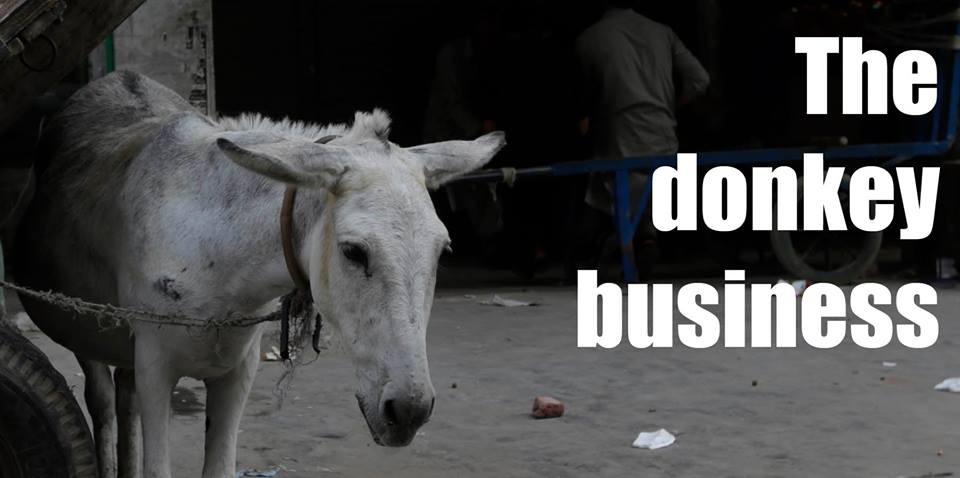
Donkeys are in the news on one pretext or the other. Often it’s a news item quoting their population, often projecting an increase and the issuing authority is either the Economic Survey of Pakistan or Pakistan Livestock Census. Or it is the Livestock departments rejecting these claims, stating that their population has plummeted instead.
More recently, donkey news is about more controversial matters like their slaughter leading to hides being exported and meat being sold in the local market and consumed for eating purposes. Donkey hides have always been exported but those were done through legal channels and the hides belonged to donkeys that died a natural death. In the last one year or more, donkeys have been stolen in huge numbers. The price of hide has increased exponentially in the local market, forcing the authorities (Economic Coordination Committee of the Cabinet to be precise) to take notice and place a ban on its export till further notice. It must be noted that the private slaughter of donkey is already an illegal activity.
The hides are said to be exported mostly to China where their extract is used in traditional medicine which is said to have anti-ageing and blood purifying properties. The donkey population of China is already dwindling according to reports and hence leading to illegal slaughtering of donkeys in Pakistan.
Once slaughtered for this purpose, the byproduct i.e. meat is made available in the local market too and is fed to the people.
It is news like these that have drawn attention to the important donkey population that plays a crucial role in the rural economy as well as a considerably large part of the urban economies. These are the issue we have addressed in today’s Special Report.
Related article: The donkey business