Print Story
X

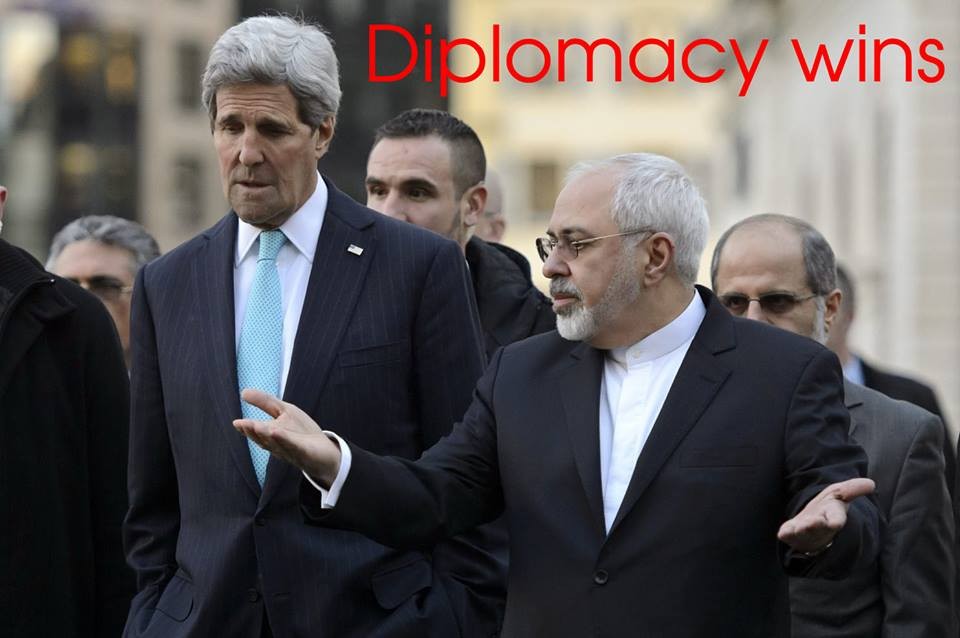
The nuclear deal signed between Iran and P5+1 and the European Union on July 14, 2015 is being sold to the world as a Joint Comprehensive Plan of Action aimed at the nuclear programme of Iran. What this has actually achieved for world peace through sheer diplomacy is worth celebrating.
In an almost unipolar world of the last seventy years, it is understandable why the deal is understood to have been made only between the United States and Iran. The fall of the pro-US Shah of Iran followed by the Iranian revolution of 1979 set the tone of relations between these two countries. That the US chose to side with the Sunni states as opposed to Iran created a sectarian imbalance in the Muslim world and a restive and unstable region.
Iran was made to exist as a pariah state and forced to live in social and economic exclusion, a regime of sanctions imposed on it because of geopolitical compulsions.
While the current deal aims to reverse all those ‘injustices’, the geopolitical considerations are clearly at work again. As Ahmed Rashid tells in his incisive interview, the deal has been struck at this point in time because the West plans to withdraw its boots from the region and, compared with other Arab countries, Iran is best placed to bring some semblance of peace. Learning from its past experience, the Western powers and more so the United States did not aim for a regime change this time.
The deal has been a win-win for Iran itself. No matter what the other signatories might think they have achieved regarding Iran’s nuclear obligation, from Iran’s perspective it is an acceptance of their stance -- of being legally allowed to use nuclear technology as a signatory of NPT. It also bodes well for the political forces within Iran who might have gained some powers from the clerics.
The deal has been welcomed in Pakistan and other neighbouring countries because Iran can now fulfill their energy needs without much fuss. That might require some reposturing vis-à-vis the erstwhile allies.
It is surprising how the change in status of just one country could realign the world in such a major way. Diplomacy indeed has won for now.