Print Story
X




Successive ministers of this hapless department have exaggerated its utility while the state of Pakistan Railways has gone from bad to worse
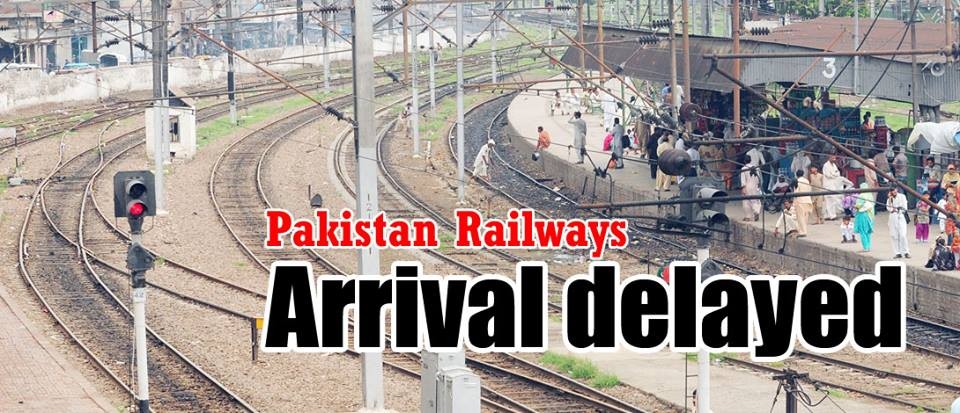
Pakistan Railways has been in the news lately because the ‘doer’ minister of railways was doing a lot to ensure that it stayed in the news for all the right reasons: new trains, old trains with new names, punctuality, passenger facilitation and what not. And then this accident happened on July 2, with a troops train falling into a canal near Gujranwala, leading to the death of 18 people. It has brought Pakistan Railways into the news again; this time not for the right reasons.
Till the writing of these lines, the inquiry committee is yet to give its verdict on the cause of the accident. No matter what the verdict is, there must have been a cause that led to this accident. The possible causes would include terrorism or negligence or a weakened infrastructure, each suggesting the need for course correction in Pakistan Railways.
Truth is that successive ministers of this hapless department have exaggerated its utility while the state of Pakistan Railways has gone from bad to worse. While the ministers have remained focused on passenger trains, which are by definition the loss-making part, the real backbone of railways, i.e. the freight trains, has been ignored.
This, of course, is not an overnight development nor would it be corrected at once. But one needs to find out if the will to turn around Pakistan Railways is there or not. While one hears of exalted figures to the tune of millions and billions of dollars being spent on public transport system in the big metropolises, railways which is the cheapest engine of growth is being consistently ignored.
Pakistan and India inherited an equally old infrastructure at the time of independence. Interestingly, Pakistan inherited a lot more of track length than India. But just to get a comparative sense of where we stand in comparison to India, Pakistan Railways’ share of inland freight traffic reduced from 73 per cent to 4 per cent from 1970s to 2000s, whereas Indian Railways today earns 70 per cent of its revenues from freight traffic.
Enough has been said about the state of Pakistan Railways and today’s Special Report attempts it all once again. In the hope that policy-makers would seriously do something about this cheapest, safest mode of travel that has the potential of being the best engine of economic growth.