


Print Story
X




After years of circling the creative drain is Pakistani cinema finally reclaiming its position as the most influential medium?Instep catches Sahira Kazmi and Behroze Sabzwari in conversation
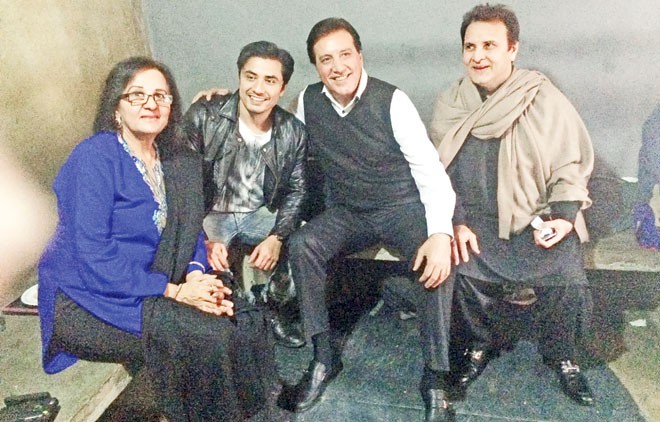
Where: Studio 124 in Korangi, Karachi, where an eclectic mix of stars from all realms of entertainment were passing through for the recording of Ali Zafar’s ode to Peshawer, ‘Urain Ge.’
Who: We were lucky to catch two intelligent and insightful individuals, Sahira Kazmi and Behroze Sabzwari, and pull them in a dialogue regarding the actual revival of cinema. Behroze Sabzwari has and still is playing a long innings in the entertainment industry; from launching a career with Radio Pakistan, he moved through theatre, television and film over a span of four decades. Having acted, directed and produced TV serials as well as music videos, Sahira Kazmi is an expert in the field and it wouldn’t be wrong to say that she is one of the industry’s most valuable pioneers.
What? That is the question. What exact role does cinema in Pakistan play today? It can be said without doubt that the age of Lollywood is over; regressive and mind numbing cinema that pandered to the lowest denominator of society is over. It died its own death because it had quantity but very little quality. Pakistan’s new age of cinema is the future of the medium. It has come in like a starbust of energy, shining over different genres and ideas. Not all of it is brilliant but it’s a very welcome change. The question is, does this new wave of cinema have the power to reclaim its rightful position as the most influential and popular creative medium in the country, or does television still remain more influential?
Sahira Kazmi: "Television had taken over the entire popular medium, even in single channel days and now there are multiple channels. So yes it is very influential. The point is that cinema has come in but there still isn’t enough of it."
Behroze Sabzwari: "TV has shown its power in 40 years but cinema has its own place and it is making a comeback. We need to use a little sense because all over the world, movies bring people to the cinema and lock them in for three hours. I’m talking about three shows here: 3-6, 6-9 and 9-12. This is when people come in and move away from negative thoughts, destructive thoughts. It’s very technical. When people leave the cinema they are in a state of fantasy and they stay there for the next few hours. This relief from the hardship of daily life is essential. It’s very important and makes the importance of cinema very relevant."
SK: "At the end of the day people need entertainment. They need different entertainment, a variety of entertainment. Cinema is diversifying now, which is a good thing. TV used to be diverse but as the channels increased, the variety decreased. Everyone plays the same content now. I feel that the Cineplex culture is bringing cinema back."
BS: "Even if the Cineplex culture has come to Pakistan twenty years after the rest of the world - I remember London in the nineties - it’s never too late. This is the right time. And the best thing is that the young lot is involved. Not only are they going to watch Pakistani films but they are making Pakistani films. How brilliant is that?"
SK: "I’m so proud of the younger lot because they are making films and to be honest, I’d rather be making a film now than a drama serial. There are choices now. People are making very small budget independent films to high budget ones."
Are funded films, or those films that push an agenda, also good for the system? Should they be supported too?
BS: "It’s not about being good or bad for the system. It’s about taking a stand. We have to take a stand somewhere. We have to support the army because it’s the only institution that we can depend on. Whether it’s a natural disaster like the floods or earthquakes or anything, it’s always the army that helps on front foot. So we have to support the army in anything it does. Having said that, films with agendas should be measured. There should be one film every now and then - like Waar - which should come in cinemas and assert the importance of the army in our lives. But that should be one film a year, not ten, I have to say with due apologies. There should be a limit to how much hate and violence you expose the common man to."
SK: "Yes, but we have to understand that thriller oriented cinema is popular all over the world. India is also doing it and we are too. I personally cannot watch violent films. I find them very depressing and too loud, especially in a cinema that amplifies all sound. It’s bearable on DVD where you can control the sound but not in a cinema. I support all cinema but I cannot watch violent films."
How do you feel about our dramas being exported and appreciated in India?
BS: "Our dramas used to be smuggled secretly and now they are going through proper channel, which is very good."
SK: "We run all their channels and now they are running ours, which is great."
Do you think this makes the release of Indian films in Pakistan more acceptable, because filmmakers have been complaining about the release of Bollywood films here?
SK: "It’s not right of them to complain. Even foreign films are released so then why not Bollywood. Indian films are just foreign films; they should not be banned or stopped from being screened. Competition is very important and it only helps you improve."
BS: "Let me just say that Bollywood plays a big hand in reviving our cinema. Cineplexes came into being because of Bollywood films and the demand to watch them. I say bring in more films, even Indian films, and put them in competition. Only those people should be worried who have played a role in destroying our film industry; those people who have promoted a dandasa culture and have made regressive films. We all know who they are."
Can we say that in the worst of times the best of literature does emerge…does that extend to cinema in Pakistan today?
SK: "Absolutely. It happened with the Iranians. Iranian cinema is one of my favourite; it’s so real. And we’re walking that line now. It delights me to no end that we have parallel cinema as well as commercial cinema. This variety is excellent."
BS: "We have to pray and hope that it continues, because how can creative work be pursued when the people are surrounded by problems. Water, power, security…we’ve been engulfed in these issues and they hamper work."
SK: "That’s why I say we give credit to the youth. God bless them, they are doing something that is great. I would also praise the investors in cinema."
BS: "If there’s a film being made for 2 crores, I can challenge anyone that it will make 10 crores, just in Pakistan. People were afraid to invest before but that is changing now."