

Print Story
X




When the all-important mega event is a few days away, any controversy can affect the national team’s performance
At a time when the World Cup is just two weeks away and all the boards are finalising their squads, Pakistan remain in search of the best combination even after sending their team to New Zealand for a warm-up tour.
Injuries, bans and controversies have created problems for Pakistan management in deciding the best combination for the mega event.
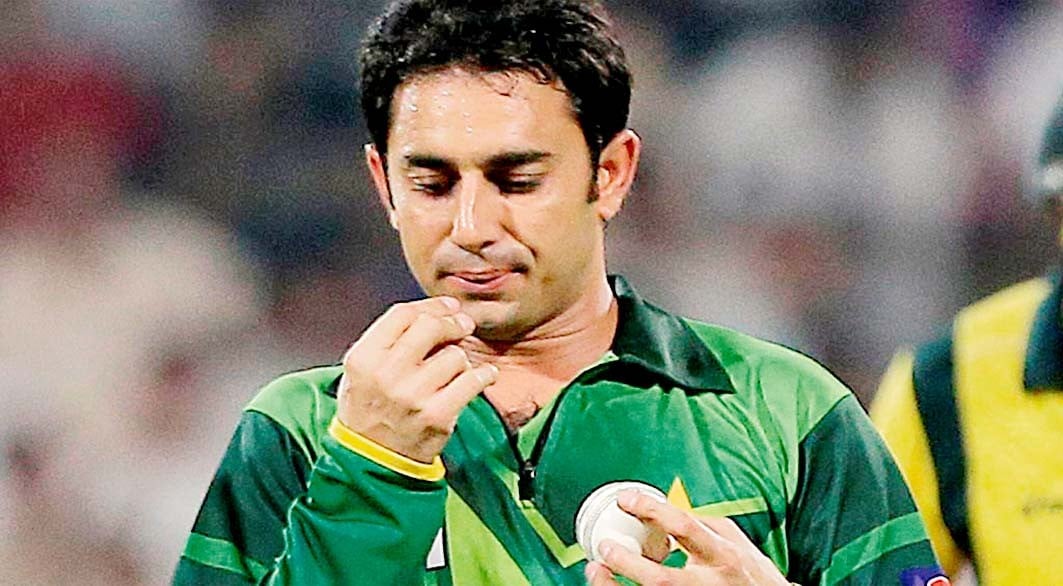
A huge blow for Pakistan came when ace off-spinner Saeed Ajmal was banned from bowling in international cricket by the International Cricket Council (ICC) after his action was declared illegal last September.
It was not for the first time that Ajmal was reported in international matches. He had been previously reported in 2009 during an ODI series against Australia in Dubai but cleared all the tests. The management didn’t take it seriously and neither asked Saeed Ajmal nor the bowling coach to correct his action.
All-rounder Mohammad Hafeez was also banned from bowling in international cricket after he failed a test on his action at an ICC accredited centre in England. Hafeez was reported after the first Test against New Zealand in Abu Dhabi in November last year.
Injuries to leading cricketers are a common phenomenon these days. Such injuries take place because of mismanagement by the board or the players themselves. During a short conditioning camp before leaving for New Zealand, fast bowler Junaid Khan suffered a hamstring injury and he is out of the two ODIs against New Zealand.
Pakistan’s Test and ODI skipper Misbah-ul-Haq, 40, was ruled out of the last three matches against New Zealand after a hamstring injury during the second ODI in December last year.
Injuries also forced Umar Gul (injury to left tendon) and Bilawal Bhatti (stitches in the right hand webbing) out of the Pakistan squad for the remaining three ODIs against New Zealand.
Fast bowler Umar Gul made his return to international cricket in the second T20 against New Zealand following a long injury layoff. He played the first ODI but was dropped from the second game due to pain in his left ankle.
Now the question is: why do the players want to appear in every format when they know their body cannot bear this. Of course, money is the most important factor. If the money on offer is good they will be willing to go wherever and whenever their sponsors want them to go.
At least senior players should withdraw from a low-profile game and give chance to young guns who are to replace them in near future. But promises of huge sums of money make it difficult for them to resist such offers.
The Pakistan Cricket Board should take notice of the players’ excessive cricket for counties and their Twenty20 commitments. They are our national assets and the board is paying them salary and other benefits. It also incurs heavy expenditure for their treatment when required just to keep them fit for national duty. But when the team needs a 100 percent fit player he is found injured and not available for the national side.
Many players don’t take part in domestic cricket for "personal reasons" but always remain available for money-making matches abroad even in non-Test playing countries.
Senior players should skip matches against low-ranked sides so that they may remain fit and fresh for the tougher oppositions.
Many a time Pakistan’s cricket authorities have tried young players against good oppositions which resulted in their losing confidence.
Now when the all-important mega event is a few days away, any controversy can affect the national team’s performance. Players and board both should avoid any conflict at this stage and players should concentrate on their performance to win the title.