

Print Story
X




Sugar production in Pakistan more costly than the international market
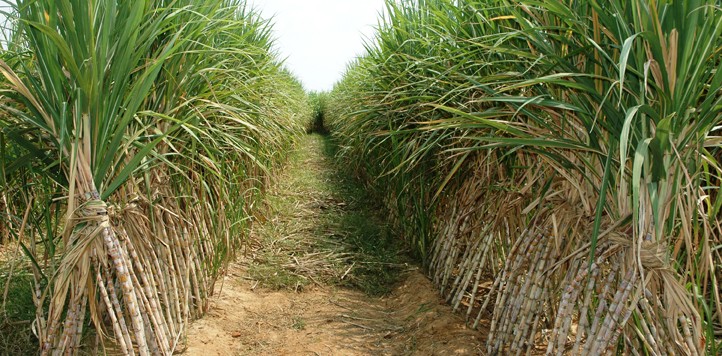
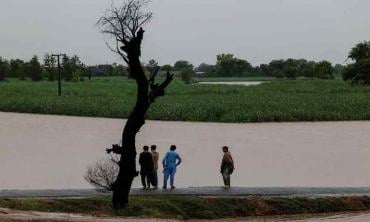
Each year, a lot of hue and cry is raised about the support price fixed by the government for every 40 kilograms of sugarcane. The millers are supposed to pay this price to the farmer as the crushing season begins. We read stories of sugar millers pitched against the growers. A month back, Punjab and KP were in the news and now it’s the turn of Sindh. The Sindh government took some decision about the support price and then backtracked. The fight is now taken to the courts.
Beyond these obvious fights, there is very complex politics at play. Not many people know that the sugar market is hugely distorted in this country.
To begin with, why does the government need to fix the price of a crop that is neither a staple diet nor a major export? It all started with an Act from the 1950s when the sugar industry was confined to the public sector. In the 1980s, as Adeel Malik tells us, licenses for sugar mills were awarded as a "tool of political appeasement".
Sugar industry is capital intensive and involves huge investment. No wonder the sugar lobby now exerts a lot of pressure to stay solvent, nay vibrant. It has assumed the form of a cartel and no government, civilian or military, has tried to break that cartel.
In order for the industry to thrive, sugarcane being a water intensive crop was grown in regions that were not suitable for cultivation. Besides, our sugarcane is low in sucrose content compared to, say, India where a lot of research has gone into its cultivation.
As a combination of wrong policies and investment in an unviable industry, we produce sugar at a price which is much higher than the international market. Hence, no matter if the crop is bumper or the sugar production higher than our domestic needs, we will never be able to export it. This is the story of the most protected sector called sugar.