Print Story
X




Looking at Afghanistan from US, Pakistan and its own perspective
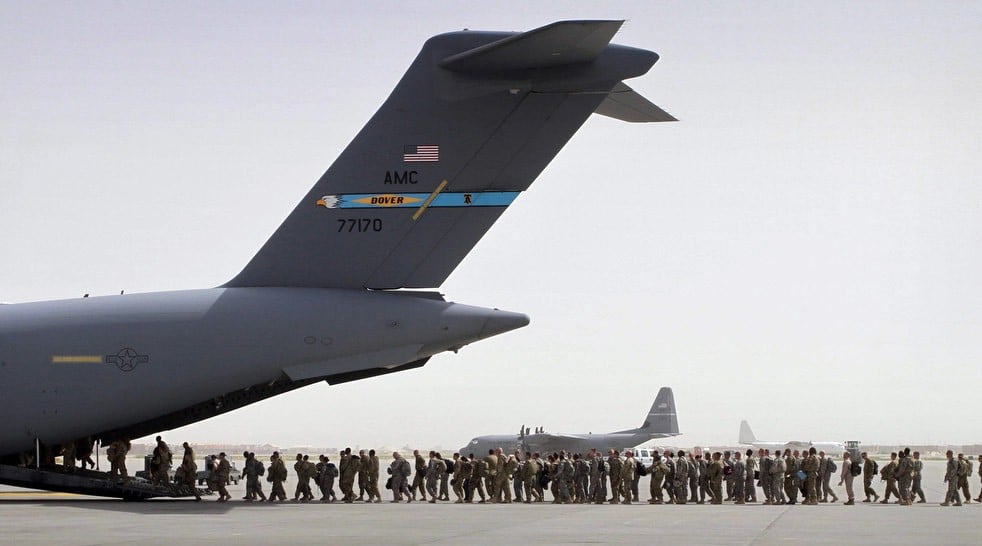
President Obama had announced in May this year that by December he plans to reduce the American forces in Afghanistan to 9,800 troops. As the date of US drawdown approaches, the US has announced to raise the number of troops by 1000. The stipulated strength of US troops now is 10,800. Meanwhile the Nato allies are supposed to send 4000 troops next year, a commitment that may or may not materialise.
From the looks of it, the US is not withdrawing from Afghanistan. It is keeping the combat troops that can launch ground offensives and hopes to make an extensive use of drones. The ban on night raids imposed by former president Hamid Karzai has also been lifted. This is in view of the renewed terrorist attacks within Afghanistan but the rise of IS in Iraq and the "sudden collapse of Iraqi army" may well be another reason why the US is not too keen to withdraw fully.
This is the context for today’s Special Report where we want to look at Afghanistan from the US and Pakistan’s perspective. But we also want to look at Afghanistan from its own perspective. We want to see what exactly is the US plan for Afghanistan and where is the US Af-pak policy headed.
Apart from that, we want to see Pakistan’s policy on Afghanistan and whatever happened to its ‘strategic depth’ plans. Is Operation Zarb-e-Azb hinting at a change of policy? How closely tied are the military and civilian government positions on Afghanistan, keeping in view the Sartaj Aziz statement and the Afghan president’s recent visit.
And lastly, as said earlier, the situation in Afghanistan itself needs to be looked at. The three proposals put forth by the Afghan Taliban must be juxtaposed with the unity government’s plans for the country if peace is to be restored. The unity government might decide to hold peace talks with the armed opposition though, as Rahimullah Yusufzai warns, the coalition partners may be divided on this.
These all are issues that form a part of today’s Special Report.