Print Story
X

Its benefits notwithstanding Internet has made people vulnerable as well. If they do not take precautionary measures, they can be spied on easily.
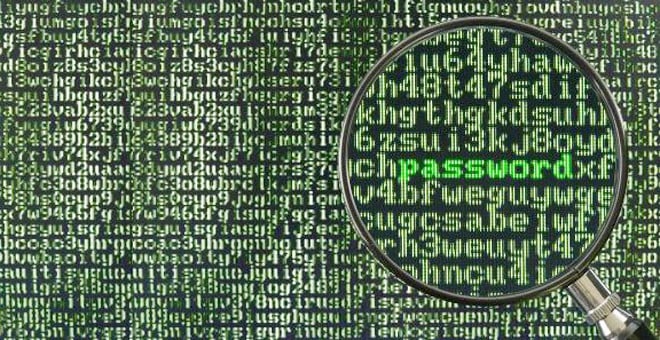
Over the years, a highly skilled lot of IT geeks have entered the arena with the ability to crack passwords in order to get unauthorised access to people’s email accounts and websites, deface websites, lift sensitive data and carry out online financial transactions using credit card data of others.
Muhammad Amir is one such victim whose email account was hacked last year. He could not login to his account but his friends told him they were receiving email messages from his account. The messages said he was stranded in a foreign country and needed money to return home. The friends were requested to send money in the account number mentioned in the message.
Though he got the account recovered after a couple of days a lot of damage had been done. Unable to mint money, the hacker had deleted the contacts and most of the data saved in the account.
Mustafa Raza, a computer software and hardware expert, says that highly advanced tools have been developed to carry out identity thefts. "There are softwares called sniffers which can read every key typed in from a keyboard and send the record to remote observers. Malware programmes are often sent via email attachments. It is advised that computer systems should have malware detection programmes installed in them and that the users should not download malwares in the first place."
Network security experts believe setting passwords and changing them frequently are key to online safety. Besides, it is suggested that the passwords should be a complex combination of digits, alphabets and punctuation marks to make guess work difficult. People have the habit of storing important data, including pin codes, credit card numbers and verification codes and passwords for different services in their email accounts. So, once the email account is hacked the security of this data is compromised. The same password should not be used for different accounts and online services as all of them are not equally protected.
Mustafa says there is a whole range of spy softwares called Trojans, which are designed to steal account data for online banking systems, e-payment systems and credit or debit cards. These programmes are capable of taking screenshots and sending them to desired destinations as well.
Lahore-based lawyer, Shahid Ghani, says "People should take identity theft issue seriously even if they think they have nothing important to hide. Their accounts can be used to initiate communications or execute cyber crime which may land them in trouble. They must get training on how to stay safe online."
Not many of them, Mustafa believes, know there are programmes which have been designed to guess user passwords by using easily available information as account holders’ names, birth dates, names of children, house address, company name etc, in different combinations and orders. Besides, there are programmes which can detect passwords spelled in reverse order and try each and every word in a dictionary to discover passwords. "Phishing emails where senders impersonate and seek sensitive information should not be answered," he insists.