

Print Story
X




Crumbling infrastructure, missing amenities and chronic mismanagement - Karachi’s is a story of monumental neglect
| D |
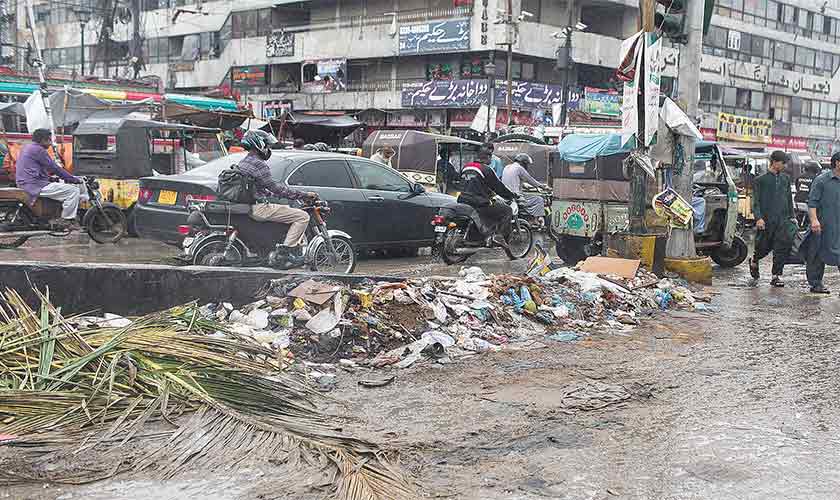
ust, mounds of filth and clogged drains overflowing with sewage have become a common sight in the heavily encroached streets of cities and towns in Sindh, including Karachi.
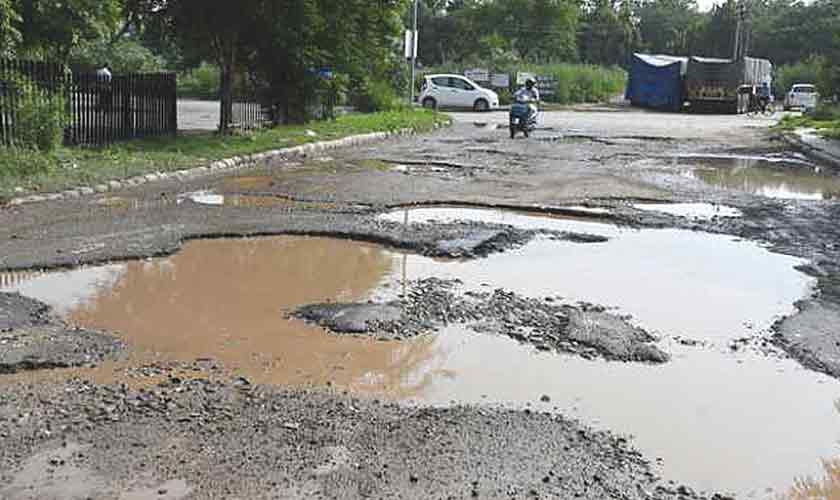
The port city’s infrastructure is crumbling. Roads riddled with potholes pose a risk to the safety of commuters. When it rains or there is a drainage problem, some of these potholes fill up with sewage or water and become a breeding ground for mosquitos.
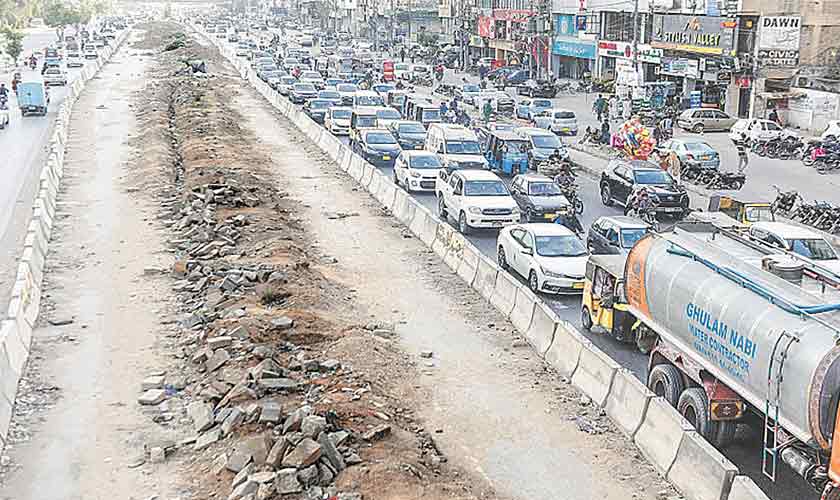
A spell of moderate rain and Karachi’s archaic drainage system gets strained. The roads get inundated. If the rain goes on, the roads soon begin to resemble rivers.
The water remains on the roads for days, even weeks, until it either evaporates naturally or, if the residents of a constituency are fortunate enough, gets noticed. Officials and politicians occasionally visit such places after the water has been drained. Some have a photo session too.
It is ironic that the so-called City of Lights, suffers this fate. Being Pakistan’s largest metropolis and economic hub, Karachi makes an unmatched contribution to the national economy. Its bustling markets, industrial zones and multi-cultural population symbolise resilience and ambition.
Karachi’s roads ought to be clean pathways adorned with greenery, monumental structures, art, lighting and modern urban designs befitting a great metropolis.
The city has youthful, energetic and dynamic leadership. Mayor Murtaza Wahab should make Karachi worthy of its name and stature—clean, vibrant and alive.
I remember a clean and green city from the 1980s and 1990s. What I encounter now is a city in decay—grappling with neglect, mismanagement and apathy. The roads are broken, uneven and unsafe.
Travelling across Karachi has become a test of endurance. Accidents, traffic jams and pedestrian hardship are routine. Deep potholes, missing patches and pools of stagnant water make driving perilous.
I remember a clean and green city from the 1980s and 1990s. What I encounter now is a city in decay—grappling with neglect, mismanagement and apathy.
The situation in Gulshan-i-Iqbal, University Road and Gulistan-i-Jauhar is especially deplorable—many roads are cracked and submerged, footpaths heavily encroached and littered with garbage, plastic and polythene bags. Gushan-i-Iqbal bears no resemblance to its name; it looks more like a wasteland of neglect. The pavements meant for pedestrians have been usurped by makeshift eateries and vendors, leaving no safe passage. This is not merely poor urban maintenance; there is a failure of planning, governance and civic responsibility as well.
Karachi’s infrastructure today paints a grim portrait of apathy. Public roads are not just pathways—they are the lifelines of a city. They mirrors its governance standards. To meet Karachi’s daunting challenges, the city needs decisive and visionary leadership. Mayor Murtaza Wahab must rise to the occasion. As a young and ambitious leader, he has a historic opportunity to restore Karachi’s lost glory and set an example for modern urban development in Pakistan.
For the fiscal year 2025-26, the Karachi Metropolitan Corporation has an overall budget of Rs 55.28 billion, out of which Rs 7.43 billion has been earmarked for the World Bank-funded CLICK (Competitive and Livable City of Karachi) programme. Additionally, Rs 9 billion has been allocated under the District ADP schemes.
Major infrastructure projects like K-IV, S-III and the BRT corridors, long awaiting completion, underscore the need for immediate action and removal of bureaucratic snags. Karachi’s revival depends not on announcements of new projects, but on the honest and effective execution of existing commitments.
The road to revival must begin with immediate repair of potholes, resurfacing of damaged roads and establishment of an efficient drainage system to prevent waterlogging. Footpaths and public spaces must be reclaimed from illegal encroachments to ensure pedestrian safety. To restore Karachi’s beauty and identity, elegant monumental structures and vibrant murals should be introduced at major intersections. Overhead bridges, often cluttered with filth, must be cleaned, painted and given a green cover to breathe life into the cityscape.
Karachi, a sprawling metropolis of nearly 25 million people, is fast transforming into a concrete jungle. The unbridled rise of skyscrapers and reckless urban expansion has stripped the city of its greenery, rendering it one of the least green megacities in the world. The city that once bloomed with trees and flowering belts now gasps under suffocating layers of cement and steel. It desperately needs revival through a citywide greening campaign.
The KMC must, therefore, consider establishing a Beautification and Green Karachi Unit—a well-funded, dynamic initiative to restore the city’s ecological balance. This body should undertake extensive plantation, develop green belts and reclaim every possible patch of land for public parks. Karachi deserves to breathe again—with shade, fragrance and life.
A robust and efficient system for garbage clearance and waste management is as vital. The city cannot thrive amid filth. Deploying mobile magistrates to impose fines on violators of public hygiene and encroachment laws may help instill civic discipline and accountability.
While addressing these concerns, Mayor Wahab must also adopt a long-term vision inspired by megacities such as Singapore, Tokyo and New York—cities that overcame chaos through meticulous planning, strict enforcement and innovation. Karachi can emulate their success by improving its transportation network, housing and public services through transparency and merit-based execution. Every penny of taxpayers’ money spent on Karachi’s development must be visible and accountable.
Karachi’s transformation is not just a local concern; it is a national imperative as well. Neglecting it risks economic stagnation and social unrest. The time to act is now. The city must not be left to crumble under neglect. Karachi deserves better. So do its proud, taxpaying citizens.
The contributor is a retired civil servant based in Shikarpur. He can be reached at qamersoomroshp22@gmail.com