Print Story
X




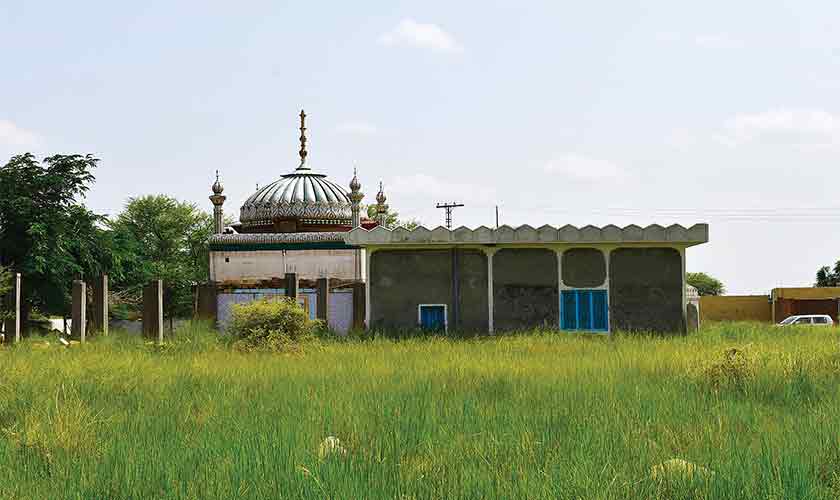
The shrine of Khawaja Muhammad Namdar Shah in Nathial Sharif remains a vital link in Pothohar’s Naqshbandi Sufi heritage
| P |
othohar is home to numerous shrines of Naqshbandi Sufi adepts, each deeply woven into the social, political and religious fabric of the region. One of these sites is the shrine of Khawaja Muhammad Namdar Shah, a revered Naqshbandimentor, located in the historic village of Nathial Sharif. The village lies about 9 kilometresfrom KhundaChowk in the Pindigheb tehsil of Attockdistrict. During my visit to Nathial Sharif, I interviewed several villagers who shared valuable insights into the history of the shrine and the significant role of Khawaja Muhammad Namdar Shah in spreading the Naqshbandiyyaorder throughout the Pothohar region and beyond.
Khawaja Muhammad Namdar Shah was a prominent deputy of Khawaja Syed Noor Muhammad Churahi (1765-1869), who was a deputy of Khawaja Syed Muhammad FaizullahTerahi (1720-1819). I have twice visited Churah Sharif, located in Attock’sJand tehsil. It hosts the shrine complex of Khawaja Syed Noor Muhammad, one of the leading Naqshbandicentres in the Pothohar region of the Punjab. Many prominent scholars studied at Churah Sharif. Eventually, many of the notable deputies of Khawaja Syed Noor Muhammad and his descendants spread the Naqshbandiyyaorder not only across Pothohar but also into other parts of Pakistan, India and Afghanistan. This historic centre has played a pivotal role in shaping the spiritual lives of many Sufi practitioners and scholars. It was here that countless devotees received initiation into the Naqshbandiyyaorder. Later, they established their khanqahs and madrasas in their respective areas, transforming the local culture and society. Responding to the teachings of Khawaja Noor Muhammad Churahi, many became his deputies and disciples.
One of these deputies of Khawaja Noor Muhammad Churahi was Khawaja Muhammad Namdar Shah. Originally from Karowal village in Manshera, Shah played a central role in spreading the Naqshbandiyyaorder, not only in Pothohar but also in other parts of the Punjab. According to Syed FidaHussain, the sajjadanashin, whom I interviewed, Khawaja Muhammad Namdar Shah had several deputies.
One learns from Gujar Khan KaySuhrawardiMashaikh by Hasan Nawaz Shah (2013:41-42) that Khawaja Muhammad Namdar Shah came from MozaKarowal, Hazara, to study under the supervision of Qazi Umar Uddin at Lodey village near Daultala. Qazi Umar Uddin was a deputy of Khawaja Noor Muhammad Churahi.
Khawaja Muhammad Namdar Shah spent considerable time in Gujar Khan. Many people became his deputies and disciples. His deputies from Gujar Khan included Qazi Noor Muhammad Nuri from Loday village. QaziIbadullah and Shaikh Moezullahfrom Gujar Khan tehsilwere also deputies of Khawaja Muhammad Namdar Shah. Another prominent deputy of his was Khawaja Shaikh Ahmed JiUsmani.It was in Gujar Khan’s BhairRatial village that Khawaja Shaikh Ahmad JiUsmani first time met Khawaja Muhammad NamdarShah. It was there that he initiated Khawaja Shaikh Ahmad JiUsmani into Naqshbandiyyaorder. After receiving a robe of initiation (khirqa) from Khawaja Muhammad Namdar Shah, Khawaja Shaikh Ahmad JiUsmani established his khanqah in Rupper Sharif in Rawalpindi’s ChakBeli Khan and began preaching the Naqshbandiyyateachings. He frequently visited the khanqah of his spiritual master, Khawaja Muhammad Namdar Shah, at Nathial Sharif and Khawaja Syed Noor Muhammad at Churah Sharif. Numerous followers pledged their allegiance to him.
According to MajmuaShajrajat by Hafiz Abdul HayeeUsmani (n.d., 40-41), Khawaja Shaikh Ahmad JiUsmani had at least 22 deputies, including his three sons. His other deputies included Khawaja Muhammad Hussain, Khawaja Fazal Ahmad, Khawaja Fateh Muhammad, MoulviUmer, Khawaja Badaruddin, MianMuqarab, Khawaja Barkhurdar, Syed Fazal Shah, Syed Gohar Shah, Baba Mehar Muhammad, Khawaja Hafiz Ji Sahib, Khawaja Hayat Bakhsh, MianHabibullah, Khawaja IlahiBakhsh, Mian Muhammad, Khawaja PirBakhsh, MianNazam and Mian Ali.
Like his other deputies, Khawaja Fateh Muhammad spent his time preaching the ideas of his spiritual mentor. He spent most of his time in ChuchaSheikhan village in Islamabad, teaching students at the village mosque, which is now called JamiaMasjid Ghulaman Shaikh Ahmad JiRupperi. The grave of Khawaja Fateh Muhammad, who is called Mian Sahib by the local community, is located inan enclosure at ChuchaShaikhan village near Jinnah Garden in Islamabad.
Khawaja Shaikh Ahmed JiUsmani died in 1868, leaving behind three sons-Khawaja Faqir Muhammad Usmani, Khawaja Habibullah and Khawaja Muhammad Amin - to continue his legacy. After his death, his eldest son, Khawaja Faqir Muhammad, became sajjadanashin of the darbar. Khawaja Faqir Muhammad Usmani was a learned person.
Another important Naqshbandiyyacentre spiritually connected to Rupper Sharif, Chura Sharif and Nathial Sharif was located at Mastal Sharif in present-day Islamabad. Located now in Sector H-10 of Islamabad, Mastal Sharif became a thriving centre during the time of Khawaja Muhammad Amin Mastalvi (d 1901).
Apart from RupperKalan, Mastal Sharif, AlloMahar in Sialkot district, was another thriving centre of the Naqshbandiyya order, spiritually connected to Khawaja Noor Muhammad Churahi and Khawaja Muhammad Namdar Shah Nathialvi. Syed Muhammad Chanan Shah Nuri,a deputy of Khawaja Namdar Shah in AlloMahar, established his khanqah at AlloMahar after receiving a robe of initiation from Khawaja Muhammad Namdar Shah. On the instruction of his spiritual master, he began preaching the Naqshbandiyyaorder in AlloMahar and beyond. He passed away in 1890 and was buried in AlloMahar. A beautiful tomb is built over his grave. It is one of the most popular shrines in Daska tehsil, Sialkot. According to Syed FidaHussain Shah, the custodian of the shrine of Khawaja Muhammad Namdar Shah, the saint also spenttime in Sialkot. He served as peshimam in a mosque in Sialkot’s Rangpura locality. Later, his grandson, Syed Fazl Shah, led prayers and imparted religious education to the students in the same mosque.
According to Syed FidaHussain Shah, Khawaja Muhammad Shah had two sons: Syed GhulamNabi Shah and Syed Gulab Shah. After the death of Khawaja Muhammad Namdar Shah in 1843, his son Syed GhulamNabi Shah became the first sajjadanashin of the darbar. Syed GhulamNabiShah passed away in 1870 and was succeeded by his son, Syed Chanan Shah. Known for his piety, Syed Chanan Shah continued the legacy of his ancestors. He passed away in 1887 and was succeeded by his son, Syed Shah Hussain Shah. According to Syed FidaHussain Shah, Syed Chanan Shah had two sons: Syed Dastagir Shah and Syed GhulamFarid Shah. GhulamFarid Shah became the 4th sajjadanashin of the darbar of Khawaja Muhammad Namdar Shah. Syed GhulamFarid Shah also had two sons: Syed Iqbal Shah and Syed AltafHussain Shah. Syed AltafHussain became the 5th sajjadanashin of Khawaja Muhammad Namdar Shah’s darbar. He had four sons: Syed Shah Hussain Shah, Syed FidaHussain Shah, Syed Zahid-ulHussain Shah and Syed Ali Murtaza Shah.
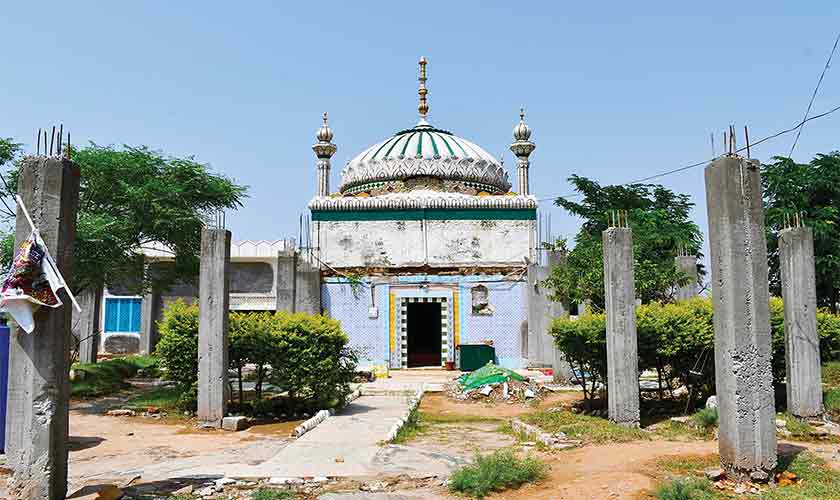
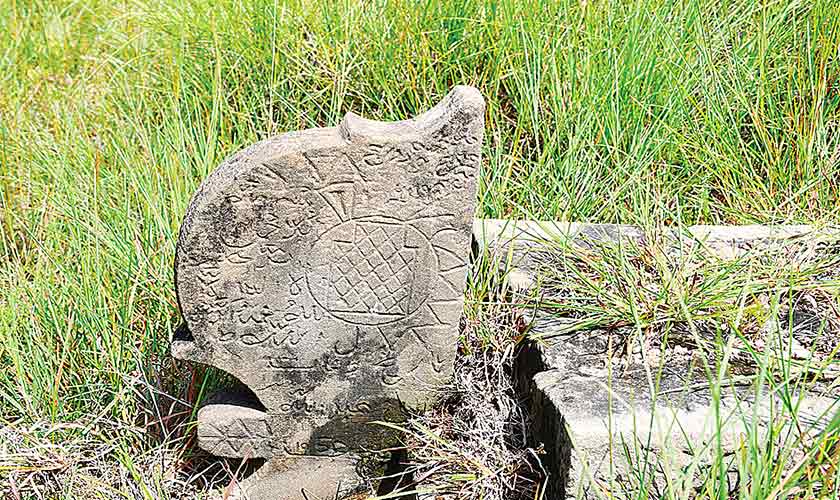
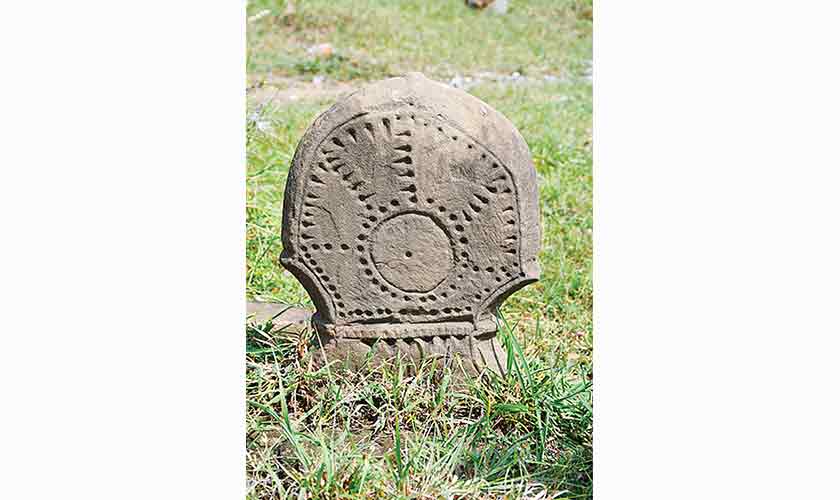
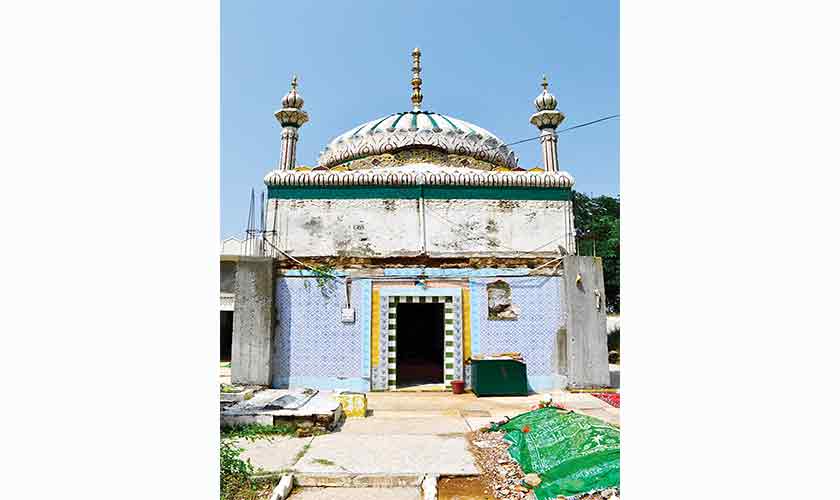
There are three graves inthe tomb of Khawaja Muhammad Namdar Shah. The central grave belongs to Khawaja Muhammad Namdar Shah. On the left is the grave of his daughter, and on the right the grave of Hafiz Saeed, who used to teach at a village madrasa. Adjacent to the tomb of Khawaja Muhammad Namdar Shah is a recently renovated mosque. In front of the tomb, there are graves of some of the descendants of Khawaja Muhammad Namdar Shah. Some of the tombstones in the graveyardare noted for their floral designs. Some of the tombs depict ewers and prayer rugs. Similar tombstones are found in some other villages of Pindigheb and Jand tehsils of Attock district.
Khawaja Muhammad Namdar Shah’s spiritual legacy continues to inspire devotion and reverence across generations of his deputies, disciples, and descendants. The Naqshbandi saints of Nathial Sharif village continued to carry his message far beyond Pothohar.
The writer is an anthropologist at the Pakistan Institute of Development Economics, Islamabad. He has authored 17 books on Pakistan’s cultural heritage and anthropology. He tweets @kalhorozulfiqar. He may be contacted at zulfi04@hotmail.com