


Print Story
X




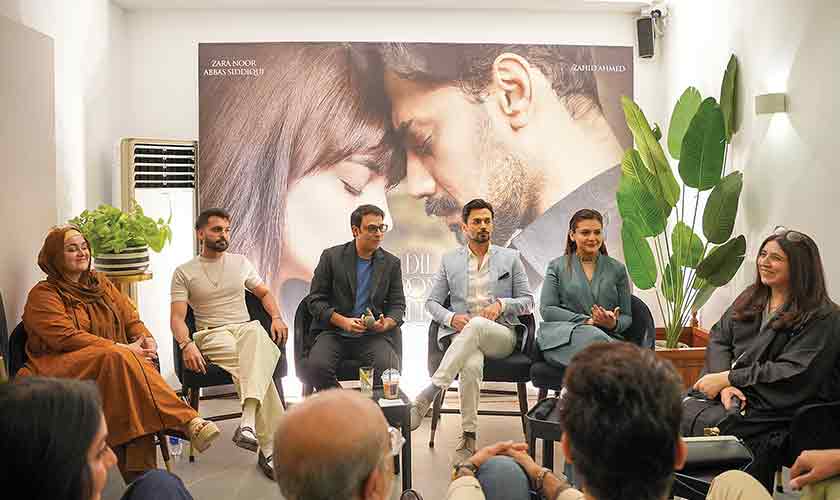
Takeaways from a panel discussion with the cast and crew of Dil Dhoondta Hai Phir Wohi — a one-of-a-kind drama that explores the themes of identity, erasure and caregiving
| P |
akistani television has entered a remarkable new phase. In recent months, dramas have begun exploring subjects once considered too sensitive or emotionally heavy for mainstream audiences. This shift toward more layered, emotionally rich storytelling has given rise to projects that are not only entertaining but also thought-provoking. Among these, Dil Dhoondta Hai Phir Wohi is one of the most emotionally charged new productions to air this season.
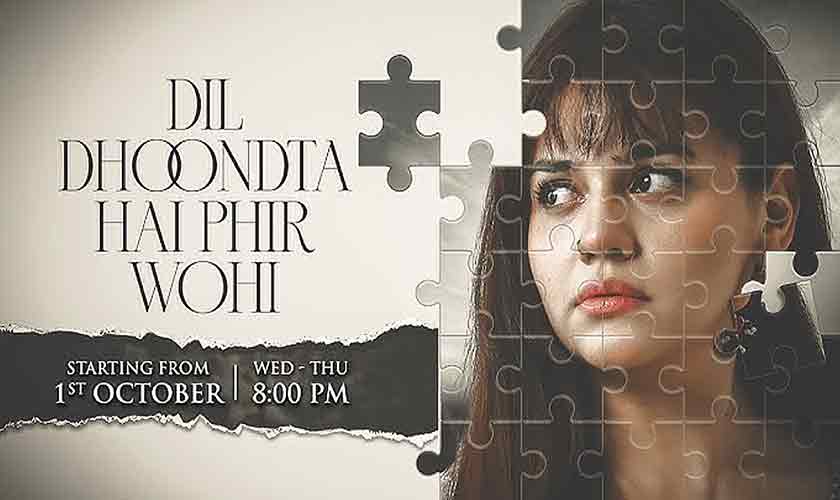
Dil Dhoondta Hai Phir Wohi is a love story steeped in compassion, heartbreak and the fragility of memory. Produced by Alpha Productions, the project carries the creative vision of Asad Siddiqui, whose commitment to emotionally resonant storytelling is evident in every frame. The series, written by Rida Bilal and directed by Adnan Sarwar, draws the audience into the lives of Ali and Ramsha, a couple bound by affection and tested by fate.
When Ali is diagnosed with early-onset dementia, their world begins to collapse in slow motion, leaving Ramsha to navigate love in its most heartbreaking form, one where the person she cherishes most begins to drift away mentally, even as he remains beside her physically.
What sets this drama apart is its emotional clarity. It does not rely on melodrama or exaggerated tropes; instead, it builds its tension quietly through the subtleties of human connection. The writing, direction and performances come together to create an experience that lingers. Having lost my own father to dementia, this one just hit home. It is reflective, painful and moving.
The script by Rida Bilal stands out for its psychological depth. Rida has shown a thoughtful approach to storytelling and brings a unique lens to this subject. As a student of clinical psychology, her understanding of dementia and its emotional impact feels grounded and informed. She treats it as a gradual unraveling that affects not only the patient but also the loved ones who witness their decline.
Through Ali’s journey, Rida Bilal explores how memory defines identity and how its erosion challenges the foundations of love.What sets this drama apart is its emotional clarity. It does not rely on melodrama or exaggerated tropes; instead, it builds its tension quietly through the subtleties of human connection.
Through Ali’s journey, Rida Bilal explores how memory defines identity and how its erosion challenges the foundations of love. Ramsha’s struggle to preserve their relationship against the pull of forgetfulness becomes a portrait of endurance and quiet strength. Her grief is not loud, yet it fills every corner of the story. Conversations between Ali and Ramsha often carry an undercurrent of dread, a fear of losing connection and of watching a shared world disintegrate.
Rida’s background in psychology helps her capture the emotional realities of caregiving and loss with compassion. Her script avoids sentimentality, focusing instead on the authenticity of experience. The dialogues flow naturally, capturing the small hesitations, confusions and moments of lucidity that define life with dementia. It is rare for television to present emotional complexity with such restraint. Rida’s writing achieves the balance masterfully.
The award-winning Adnan Sarwar has brought cinematic precision to the project. His direction is marked by a focus on visual storytelling and rhythm. His camera observes well, allowing the audience to feel the slow erosion of memory and time. He trusts silence as much as dialogue, often letting pauses carry emotional weight.
With only a few episodes aired, Dil Dhoondta Hai Phir Wohi has already grabbed attention for its performances. Zahid Ahmed, portraying Ali, gives a performance marked by restraint and realism. His portrayal of early-onset dementia is both heartbreaking and dignified, capturing the confusion and vulnerability of a man watching his world fade. Rather than dramatising the illness, Zahid internalises it. This comes through well in his facial expressions.
Zara Noor Abbas, as Ramsha, anchors the story with grace. Her performance reflects the emotional labour of loving someone slipping away. She carries a quiet resilience, balancing heartbreak with a determination to hold on. There are moments where silence communicates more than dialogue ever could. The chemistry between Zara and Zahid feels genuine, rooted in shared pain and tenderness.
Music plays a crucial role in the emotional structure of Dil Dhoondta Hai Phir Wohi. The inclusion of Momin Khan Momin’s timeless verses “Wo Jo Hum Mein Tum Mein Qarar Tha” rendered beautifully by Zeeshan Ali adds depth to the story. The verses echo through key moments, mirroring Ramsha’s longing and Ali’s slow detachment from reality.
The cast has spoken about the atmosphere on set being emotionally charged. Filming a story that deals with cognitive decline and emotional endurance left its mark on everyone involved. Zara and Zahid described moments when the lines between performance and felt blurred. Scenes portraying memory loss or emotional confusion often left emotions that lingered on.
Dil Dhoondta Hai Phir Wohi is still unfolding. It has positioned itself as a drama that dares to approach complex emotional territory with sincerity and care. Its focus on love tested by illness and the resilience that follows, sets a new standard for meaningful storytelling on Pakistani television.
For audiences, the drama invites reflection on how love survives in the face of loss and how memory shapes human connection. The project’s sensitivity, depth and artistic coherence signal an important step forward for the industry, showing that viewers are ready for stories that challenge convention while staying emotionally grounded.
For now, all eyes are on the journey ahead. Fingers crossed for an ending that feels as true and heartfelt as the love story it began with.
The reviewer is the head of content at a communications agency