Print Story
X




Mohsin Naqvi’s stance as ACC Chief and PCB Chairman has full backing of Pakistani nation
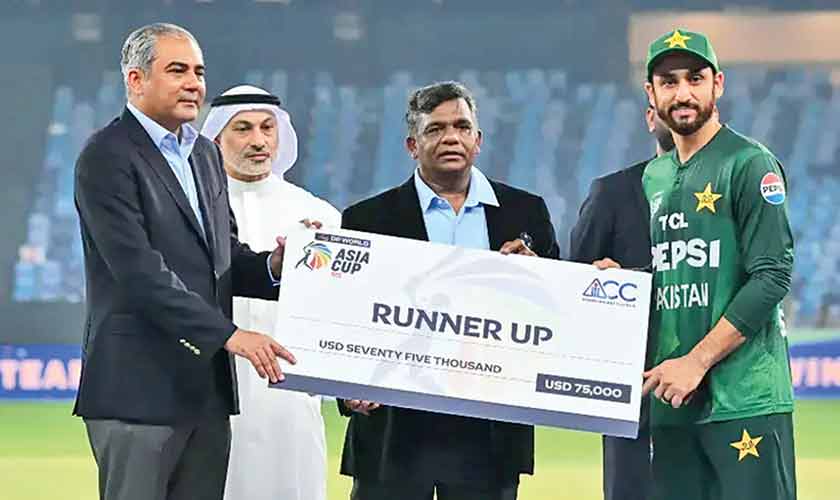
From the very outset, the Asia Cup 2025 trophy controversy was never about who lifted the cup, but it was, and always has been, about national honour. The Indian cricket team’s refusal to accept the trophy from Mohsin Naqvi, who doubles as ACC President and PCB Chairman, was a deliberate political snub masquerading as a sporting protest. This was not a lapse in ceremony but a calculated slight, and Pakistan’s stand in response has the full backing of a nation that values respect above hollow theatrics.
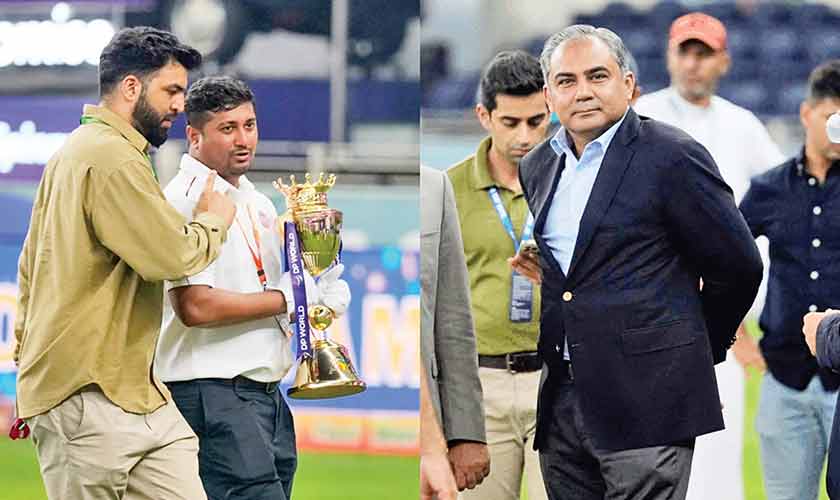
On that fateful Sunday in Dubai, in circumstances that will be discussed for years, the Indian team refused to collect the Asia Cup trophy from Mohsin Naqvi. Rather than engage the man entrusted with the honour, they opted for an empty gesture: celebrating with an “imaginary trophy.” The moment was not only farcical but disingenuous. What message did they send? That a man from Pakistan, who also leads the ACC, was unworthy to present a prize. That, friends, is not sport, that is humiliation dressed as pageantry.
Subsequently, Indian media outlets claimed Naqvi had apologized to the BCCI for the handover fuss. Naqvi promptly, and rightly, slammed the reports as baseless propaganda: “I have never apologized to the BCCI, nor will I ever do so.” He restated his readiness to hand over the trophy any day if BCCI cared to fetch it from the ACC office. That’s not arrogance; it is dignity. And the nation stands with him.
This episode was not born out of a misunderstanding but out of intent. India’s cricket establishment has long had a penchant for injecting politics into sport, especially when it comes to Pakistan. From flag bans to venue boycotts, the BCCI has repeatedly turned the “gentleman’s game” into a battle of national narratives. Asia Cup 2025 was no different.
By refusing a simple trophy handover, India transformed a cricket final into a diplomatic flashpoint. The dramatic delay in the presentation ceremony, the abrupt cutting short just before awarding the cup, and the refusal to shake hands, all point to premeditated disrespect. Instead of embracing the rituals of sport, India chose to perform an act of exclusion.
Prime Minister Narendra Modi wasted no time in framing India’s win as more than a match, dubbing it “Operation Sindoor” and equating it with military success. That turn of phrase exposed the very sickness this controversy reflects: turning sport into a battlefield, blending runs with rifles.
Naqvi, with characteristic clarity, struck back: “If war was your measure of pride, history already records your humiliating defeats at Pakistan’s hands. No cricket match can rewrite that truth.” His response was not personal, it was a reminder that true pride is earned on merit, not on manufactured symbols.
Some may argue that sport is about winning and losing, that Pakistan failed on the pitch. True. India won. But this was never a match for national dignity. When you’re forced to “celebrate” with nothing but air, your humiliation is broadcast globally. Social media memes exploded with images of Indian players hoisting phantom trophies. That moment of collective mockery far outweighed any runs scored.
Even BCCI Secretary Devajit Saikia confirmed the refusal. And while India threatened to lodge an ICC protest, this was never about rules, it was about status. India attempted to demean a man who holds two high offices and, by extension, an entire country. Their protest was not over ceremony, but over perceived hierarchy. That kind of arrogance deserves no reward.
Many voices in Pakistan and beyond have called on the International Cricket Council to step in. Former skipper Rashid Latif called it an “open and shut case,” demanding action against Surya¬kumar Yadav for breaching sportsmanship. Others worry Pakistan’s response, if mismanaged, could let this slide.
The PCB, and by extension the nation, must ensure that justice is not delayed. Richie Richardson or any other match referee must act, decisively and transparently. If India’s captain is guilty of conduct unbecoming of the game, the punishment must reflect that.
Sport is different: When you mix national pride, politics, and cricket, you end up with chaos.
Respect transcends borders: No trophy is more precious than mutual dignity.
Leadership matters: Mohsin Naqvi showed we do not bow; we respond.
Accountability is essential: The ICC cannot allow double standards.
India may have the cup, but their conduct has cost them far more. Their refusal to accept a trophy? Their oblique politicking? Their use of prime ministerial clout to rewrite a match? None of that elevates them, it cheapens the game.
Pakistan, on the other hand, may not have held the physical cup, but in our national narrative, we’ve upheld a higher standard. The cup may be missing from our cabinet, but our dignity remains untainted.
In the end, we play for runs, wickets, centuries. But sometimes, you must stand tall for what a trophy truly represents, respect, fairness, and the spirit of cricket. India may have tried to turn it into a political statement. But to us, it remains sacred.
Mohsin Naqvi’s uncompromising stance is not just about one trophy. It’s about proving that our pride isn’t negotiable. And on that front, Pakistan, the nation, stands with him for his brave and bold decisions at the right time that made him hero of the nation.
sarfraznews12@gmail.com