Print Story
X




From patriotic anthems to protest songs, music has always lived alongside war
| T |
he first of October is marked as Music Day in many parts of the world; another day, June 21, is also observed, with a slightly different emphasis — a celebration of music’s many forms and its capacity to bring disparate traditions into conversational harmony. Yet if music can unite, it does not, by itself, inoculate a society against violence. Celebrating sound and rhythm is no guarantee of moral restraint.
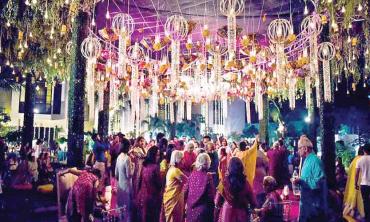
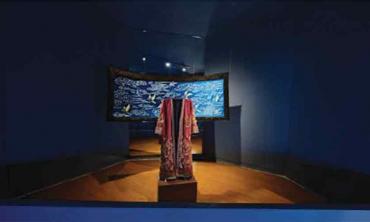
That paradox is painfully evident in Pakistan. After the country was widely branded as a sponsor of, or at least a haven for, extremism; successive governments sought to cultivate a softer image. Soft power became a remedy in speech and policy: embassies were urged to host cultural events; diplomats extolled the nation’s literary and musical heritage; fashion shows and art exhibitions were staged abroad to suggest a modern, outward-looking society. Under the administration of Shaukat Aziz in the early 2000s, such displays of liberal openness were pursued with enthusiasm — a conspicuous diplomacy that sought to counterbalance a darker international narrative.
But optics and policy do not always track one another. The presence of concerts, galleries and catwalks does not automatically negate the political choices that lead to violence. Culture can coexist with brutality; sometimes it even flourishes alongside it. Israel — a society rich in music, theatre and visual arts — has nevertheless employed indiscriminate force in ways that many have condemned. Equally, Japan in the 1930s and 1940s, steeped in aesthetic traditions and religious values often associated with pacifism, pursued an expansionist military policy that wrought enormous suffering across East Asia. Nor should we forget the colossal human toll recorded in China’s historical memory of the Japanese invasion.
These are awkward truths, but they are instructive. Art and culture do not automatically immunise a polity against violence. Art is not a prophylactic. It is an expression of a people; and like any human practice it can coexist with contradictory impulses. A society’s musical culture may be lush and diverse while its politics are hard-edged and uncompromising. Artists and musicians can and do protest violence, yet their songs seldom, on their own, alter the course of state action.
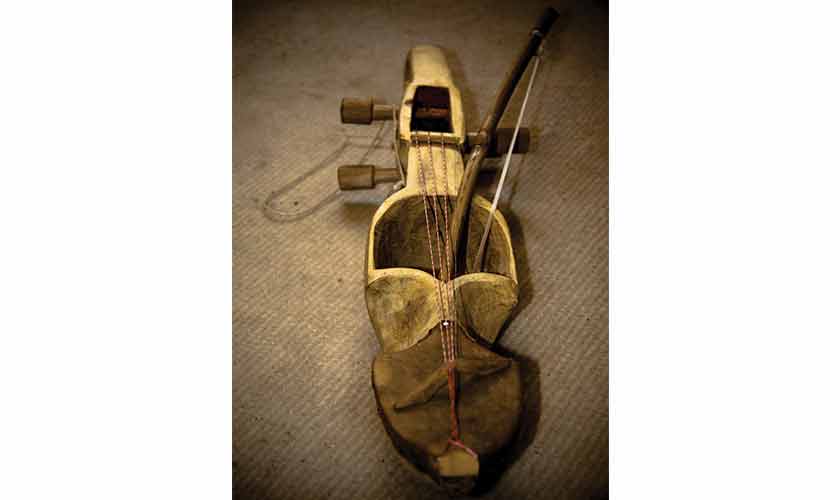
Part of the reason for this disconnect is that culture and policy inhabit different registers of power. Music, painting and dance shape hearts and imaginations; statecraft organises resources, defines enemies and makes war possible. Soft power — the ability to attract and persuade through culture — has real value, but it is subsidiary to the hard instruments of policy: the legal framework, the security apparatus, the economy and the structure of political incentives. You can fill an embassy with sarangis and sitars, but if the policy calculus in the capital favours militarised responses, the public display of culture will look like tokenism.
Wars and ballads, swords and sarangis, have always coexisted in human history. The task for cultural policymakers and civic leaders is not to pretend otherwise, but to shape the balance.
In Pakistan, the elevation of martial themes in popular culture is striking. Patriotic anthems and taranas that extol bravery, sacrifice and territorial defence have long commanded greater official recognition than songs of love or pleas for peace. Epic literature and praise of warrior virtues have classical antecedents — from the Iliad and the Mahabharata to the Shahnameh. Modern states draw on these narratives, consciously or otherwise, to frame national identity. In such a cultural economy, a vocalist who sings to celebrate the nation’s might may be lauded as a custodian of public morale while a singer who pleads for reconciliation is dismissed as sentimental or naïve.
That does not mean that songs of peace do not exist or lack potency. Throughout history, poetry and music have articulated dissent and conscience — from the laments of the troubadours to the protest songs of the Twentieth Century. But the institutional esteem afforded to different genres matters: where martial music is publicly rewarded, its messages multiply; where songs of reconciliation are marginalised, they struggle to be heard beyond sympathetic circles.
Also, there is a more ambivalent truth about human temperament. Courage and tenderness are not mutually exclusive; they often run in parallel. Communities cultivate both the capacity to defend and the capacity to heal. Expecting one to annihilate the other is wishful thinking. Wars and ballads, swords and sarangis, have always coexisted in human history. The task for cultural policymakers and civic leaders is not to pretend otherwise, but to shape the balance.
So what might a more honest engagement with culture and security look like? First, cultural policy must be more than window-dressing. Investing in arts education, ensuring public funding for diverse cultural practices and embedding critical artistic voices within civic life can slowly shift the norms. Second, artists must be accorded not only space to perform but also platforms where their critique can meet policy debate — forums where poets, musicians and filmmakers speak to lawmakers, educators and security planners. Third, civil society should resist binary thinking that casts culture as either naïve or complicit; instead it should recognise art’s capacity to unsettle, heal and imagine alternatives even while structural change proceeds through other channels.
Music will not end aggression, but it can change the vocabulary of public life; it can keep alternative imaginaries alive. For that reason alone, it is worth the sustained attention of policy as well as public affection. Swords and sarangis will coexist for the foreseeable future. The hope should be that the sarangi’s song grows louder, not because it will stop every bullet, but because it will have more chance of shaping the world into which those bullets are fired.
The writer is a culture-critic based in Lahore.