Print Story
X




Young volunteers from across the province led the relief efforts, offering assistance, care and emotional support to the affected communities

| H |
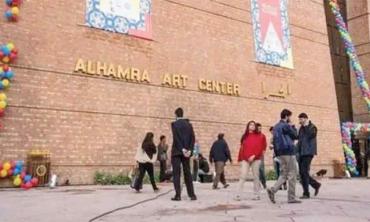
undreds of young volunteers rushed to Peshawar on the call of various charity organisations and civil society bodies to help out flood-affected people.
The Khyber Pakhtunkhwa was devastated by catastrophic flash floods and landslides recently triggered by intense monsoon rains and cloudbursts, particularly from mid-August onward.

These disasters, among the deadliest in Pakistan’s recent history, claimed over 410 lives, with Buner district alone reporting nearly 400 fatalities. Thousands were displaced across Swat, Shangla, Bajaur, Charsadda and Nowshera.
Young volunteers affiliated with organisations such as Malgari Doctoran, Khudai Khidmatgar Tehrik, Al-Khidmat Foundation and Fixit, led by Dr Muhammad Shahzad, Dr Hamdard Yousafzai, Adnan Khan and Qari Abdu Rahim, played a pivotal role in relief efforts.
The efforts of these brave and compassionate volunteers who brought with them local expertise and much-needed supplies addressed the immediate needs of the affected, fostering hope in communities reeling from devastating loss.
2025 Floods
The floods that struck Khyber Pakhtunkhwa in August 2025 were driven by torrential rains, exacerbated by climate change and glacial melt, causing flash flooding and landslides that destroyed homes, crops, roads, schools, hospitals, marketplaces and bridges.
The Provincial Disaster Management Authority reported over 410 deaths, 664 houses completely destroyed, 2,431 partially damaged and 511 roads and 77 bridges affected across the province.
Buner district was the epicenter of disaster, with entire villages submerged, while Swat, Shangla and Bajaur faced severe isolation due to infrastructure damage. Bishunai village is the most affected village in the district where massive rocks weighing over a tonne destroyed homes and shops. By the end of the rain spell, Pir Baba Bazaar was fully submerged.
Children, women and the elderly were particularly vulnerable, facing shortages of food, clean water, shelter and medical care, alongside risks of waterborne diseases and psychological trauma. The scale of the crisis demanded a rapid, coordinated response and young volunteers stepped up to fill critical gaps.
Young volunteers
Young volunteers, primarily aged 16 to 25, participated proactively in the relief efforts. They brought with them new energy and a willingness to adapt to regional challenges. These volunteers offered support to the survivors and deepened their ties with the affected communities.
Affiliated with Malgari Doctran, Khudai Khidmatgar Tehrik, Al-Khidmat Foundation and Fixit, these volunteers navigated treacherous terrains—muddy paths, washed-out roads and ongoing rainfall—to reach remote villages. Their knowledge, fluency in Pashto and cultural sensitivity enabled them to connect with affected communities, particularly children, women and the elderly, in ways that outside aid workers often cannot. Their contributions ranged from distributing food, water and hygiene kits to setting up free medical camps, assisting with evacuations and providing emotional support to the survivors.
According to the volunteers, the affected are not only in need of supplies, but also counselling and psychological support. They support activities such as playing games and organising storytelling sessions for children to “alleviate trauma.”
The volunteers are also providing gender-specific aid to women, such as sanitary kits and created safe spaces for them in relief camps. They deliver medical supplies to the elderly and cleared debris from homes, ensuring access to critical resources. Their ability to relate to empathise and bond with affected communities has made their efforts both practical and deeply empathetic.
Engaging the youthSeveral organisations, guided by dedicated leaders, mobilised young volunteers to deliver critical relief across KP: Malgari, a network of young medical professionals serving underserved communities in KP, was instrumental in the flood response. Under Dr Hamdard Yousafzai, a respected humanitarian, young volunteer doctors, medical students and paramedics set up mobile medical camps in Buner, Swat and Shangla.
Khudai Khidmatgar Tehrik, inspired by Abdul Ghaffar Khan’s historic nonviolent movement, was re-activated in KP in the wake of floods. Young volunteers, embodying the movement’s ethos of selfless service, worked in districts like Bajaur and Shangla to distribute food, blankets and shelter gear. They prioritised women, providing hygiene kits and safe spaces in relief camps and supported children through community-driven initiatives like temporary learning spaces.
Fixit, a youth-driven civic organisation known for addressing public service gaps, mobilised volunteers under Adnan Khan to support flood relief in Buner. Young volunteers cleared debris from homes, repaired water supply systems and delivered food and hygiene kits, prioritising families with children, women and elderly members. Fixit’s innovative use of social media enabled rapid fundraising and coordination, allowing volunteers to reach isolated communities despite logistical challenges. Their efforts also included restoring basic infrastructure, such as water pumps, ensuring long-term access to clean water and small hands-on businesses for vulnerable groups.
Impact on children, women, elderly
The contributions of young volunteers had a transformative impact on KP’s most vulnerable populations:
Children: With over 200 children among the flood victims, survivors faced trauma, displacement and loss of educational access. Young volunteers organised activities in relief camps, such as games, storytelling and art sessions, to provide emotional relief and restore a sense of normalcy.
In Swat, where schools were converted into shelters, they distributed school supplies and toys, protecting children from exploitation and neglect in chaotic post-flood environments. These efforts helped mitigate the psychological toll on young survivors, giving them hope and stability.
Women: Women, often primary caregivers, struggled to access hygiene products, medical care and safe shelters. Young volunteers, particularly young women from Malgari Doctors and Khudai Khidmatgar Tehrik, delivered sanitary kits, baby supplies and medical support. In Buner, Fixit volunteers ensured women-led households received priority in food and shelter distribution, addressing privacy and security concerns.
Elderly: The elderly, many with limited mobility, were stranded in remote areas or overcrowded relief camps. Volunteers from Fixit and Malgari Doctors cleared debris from their homes, delivered mosquito nets and medical supplies and assisted with evacuations in Shangla and Bajaur. Their efforts ensured elderly residents received priority in medical camps, reducing their vulnerability to diseases like malaria. By restoring access to clean water and shelter, the volunteers helped elderly survivors remain in their communities.
Challenges
Young volunteers faced significant challenges, including the emotional toll of witnessing widespread devastation—destroyed homes, grieving families and isolated communities. Organisations like Malgari Doctran provided counseling to help volunteers cope, echoing calls by Ayesha Syed of Al-Khidmat Foundation for government-led psychological support for both victims and responders.
Logistical barriers, such as washed-out roads and ongoing rainfall, complicated aid delivery, requiring volunteers to trek through hazardous conditions. The risk of uncoordinated efforts was mitigated by working through established organisations like the PDMA, which ensured efficient resource allocation.
Volunteers learned the importance of preparedness and coordination. Training programmes, such as those offered by the Directorate of Youth Affairs KP, equipped youth with skills in disaster response, while social media campaigns required vigilance to avoid scams. The Peshawar Zalmi charity cricket match, announced by Javed Afridi, highlighted how youth-driven initiatives could raise funds and awareness, channeling proceeds to relief and rehabilitation efforts in KP.
Young volunteers were a cornerstone of the 2025 KP flood relief efforts. Their work demonstrated the power of youth-led humanitarian action. By combining local knowledge, empathy and innovative approaches, they bridged critical gaps in disaster response, offering a model for future crises.
The writer is a Peshawar-based journalist. He mostly writes on art, culture, education, youth and minorities. His X handle: @Shinwar-9