

Print Story
X




The narrative of ‘resilience’ uplifts the human spirit, but it also obscures structural negligence that makes people vulnerable
| E |
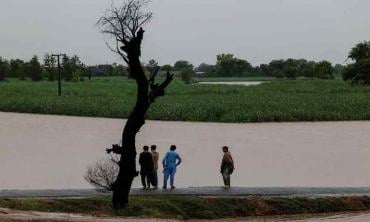
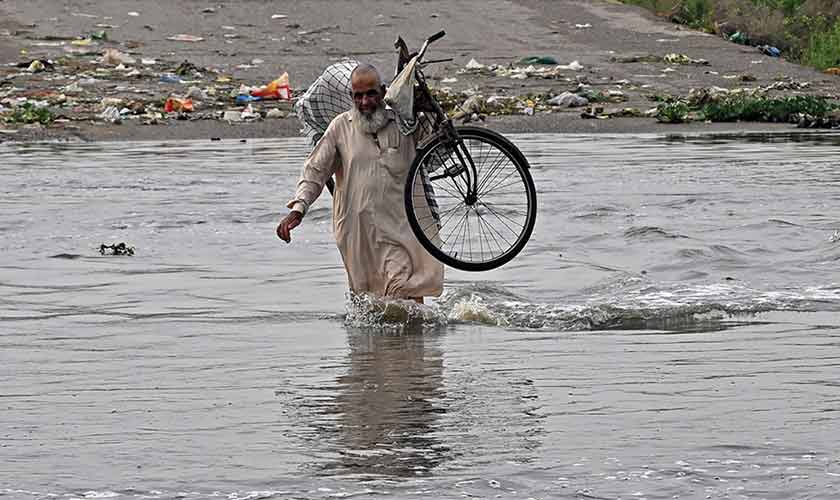
very year, as intense flash floods and monsoon rains inundate Pakistan’s cities and villages, the word resilience rises in our public vocabulary. We hear it from officials, media commentators, community leaders and the general public alike: Pakistanis are a resilient people.
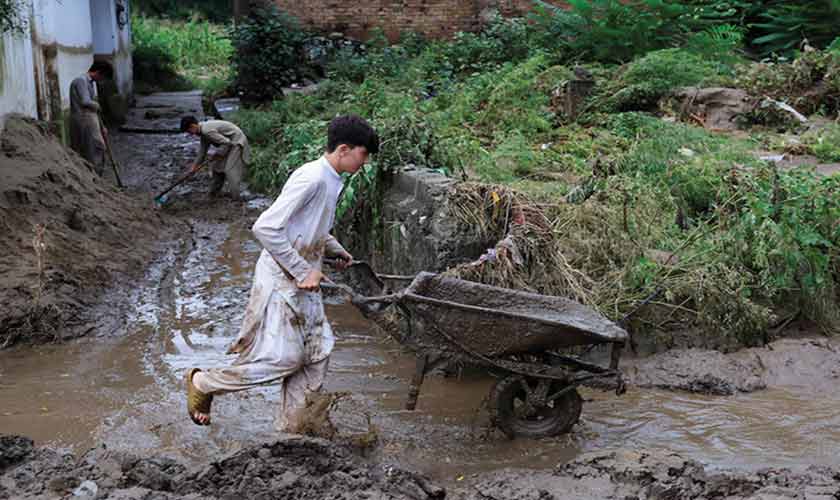
This may well be true. From Sindh to Khyber Pakhtunkhwa, individuals and communities have shown extraordinary courage and resourcefulness. They rebuild, adapt and support one another through one loss after another. But as a psychiatrist who works closely with people navigating chronic stress and trauma, I often wonder about the toll these repeated transgressions take on the human mind. In a conversation yesterday, a veteran architect rightfully commented, “Sure, we’ll build them a new house, but who addresses their lifetime of grief, trauma and suffering.”
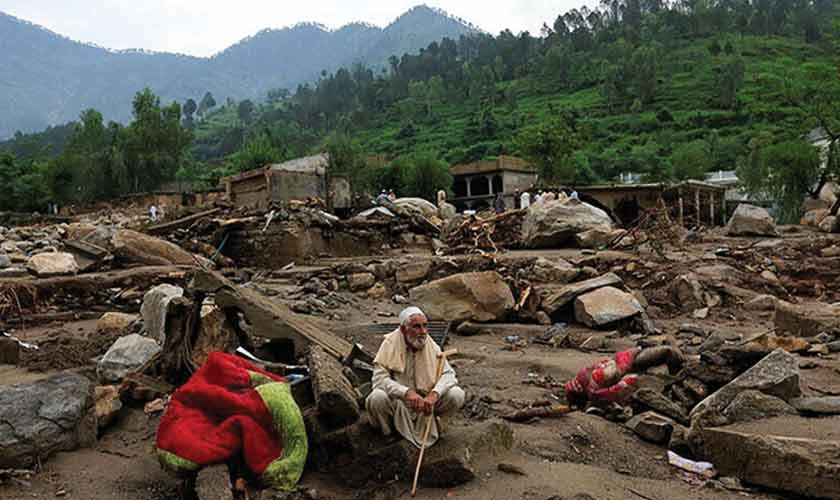
Floods are not exceptional events for us; they are recurring, predictable disasters. In 2022, 10-12 percent of the country was underwater. Since, deadly floods and torrential rains have continued to displace, injure and kill. Yet, public systems remain weak, infrastructure remains vulnerable and psychological support is almost non-existent. We lean on people’s endurance to cover for an unashamed ignorance of the urgent need for mental health and psychosocial support. But this reliance on “grit” comes at a deep psychological cost. Over 30 percent of the country’s population lives with a diagnosable mental illness; only 10 percent of these 75 million people have access to help.
Resilience is understood as a psychological strength and reflects a person’s ability to withstand adversity, adapt to change and recover from hardship. But resilience is not an unlimited resource. It is powered by executive functions in the brain, planning, impulse control, emotional regulation and working memory, all of which are deeply affected by chronic stress. Repeated exposure to crises, especially when combined with psychosocial stressors like poverty, displacement, unemployment or insecurity, can lead to cognitive fatigue. This may lead to impaired decision-making and emotional dysregulation. People become more vulnerable to depression, anxiety, post-traumatic stress and substance misuse. In cases where whole communities are affected simultaneously, these psychological burdens can ripple through families, schools, workplaces and social networks.
In clinical terms, we see this often in the aftermath of environmental disasters. Adults report trouble sleeping, poor concentration, persistent irritability or numbness. Children may show developmental regression, heightened anxiety or behavioural issues. Parents under prolonged stress struggle to meet their children’s emotional needs. People conceiving under such stressful situations are more likely to have offsprings vulnerable to neurodevelopmental challenges and mental health disorders. In places with no access to mental healthcare or a sheer lack of understanding of mental health needs—which is most of Pakistan—these issues go unaddressed, often labelled as personality flaws, spiritual weakness, “Allah ki marzi” or simply, bad luck.
There is also a moral cost to how we frame resilience in public discourse. When we applaud people for “weathering the storm,” we often shift responsibility away from the systems that were responsible to protect them and failed to do so. Adaptability becomes a coping mechanism, not a strategy and grit becomes a survival tactic. While the narrative of ‘resilience’ uplifts the human spirit, it often obscures the structural negligence that makes people vulnerable in the first place. A population forced to be strong again and again, without space to process, recover or heal, spills over with trauma passed down over generations, manifesting in mental health struggles and more.
It is also important to consider the unequal distribution of these burdens. Women, children, the elderly and those already living in poverty face a compounded psychological toll. In rural areas, where support services are scarce and stigma around mental health remains high, people are often forced to internalise trauma. Their distress manifests in physical symptoms like headaches, fatigue, gastrointestinal problems, but the root causes go untreated.
There is considerable research on how untreated trauma accumulates over time and gets passed on through generations. The psychological injuries of displacement, loss of livelihood and repeated exposure to disaster shape people’s relationships, their ability to trust institutions, their parenting; even their willingness to plan for the future. Chronic stress narrows a person’s cognitive bandwidth, making it harder to take proactive steps toward recovery. It reduces not only capacity, but hope.
Real resilience, the kind that protects both minds and bodies, requires functioning systems. It means investing in flood protection infrastructure, climate-resilient housing and early warning systems. It also means integrating mental health into disaster response planning. Psychological first aid, community trauma counselling, and long-term access to psychiatric care should be considered just as essential as food, water and shelter.
Furthermore, we need to shift how we talk about resilience in the media and public life. While celebrating the strength of a people is important, we must also interrogate why they were forced to be so strong in the first place. True resilience is not a measure of how well people can endure hardship, but of how well a society prevents that hardship from becoming inevitable.
There is an urgency at the governance and policy level that we take responsibility for systemic resilience: policies that reduce vulnerability, improve response times and promote recovery—not just survival. Climate adaptation must go beyond donor pledges and disaster optics. We need long-term planning grounded in science, equity and psychological understanding.
We also need to give people room to grieve, to be overwhelmed and to ask for help, without being told to “be strong” for the sake of a narrative.
As climate events become more frequent and more severe, we must stop framing resilience as heroism and start seeing it for what it often is: a last resort. A nation cannot be built on perpetual endurance—it deserves systems, structures and care that make coping unnecessary.
The writer is a consultant child, adolescent and adult psychiatrist. She is the founder and CEO of Synapse Pakistan Neuroscience Institute.