Print Story
X




The hopes and dreams of expats, who long for staying connected to their roots and identity
| A |
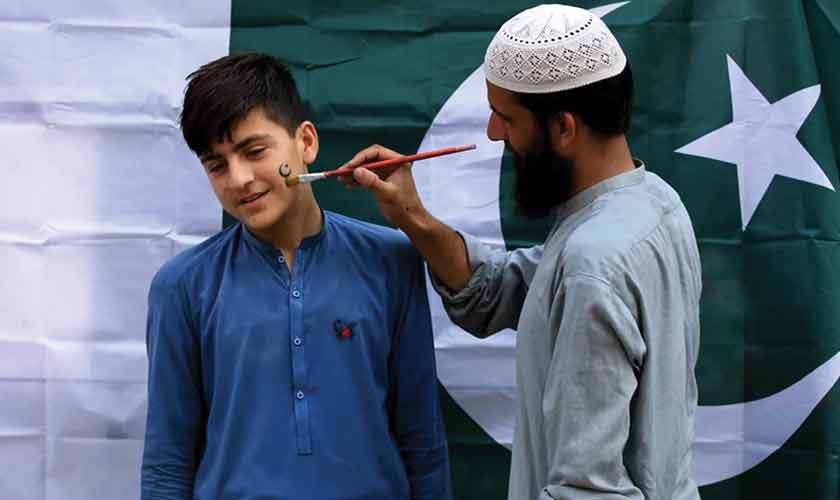
s Pakistan turns 78 and the nation celebrates its Independence Day, the green and white flag once again becomes a beacon of pride, unity and resilience. Across the globe, millions of overseas Pakistanis join the celebrations not just with nostalgia but with renewed hope and aspirations for their homeland. For them, the Independence Day is more than a ceremonial occasion—it is a moment of reflection, connection and vision for a better future.
Overseas Pakistanis, estimated to be over 9 million strong, form one of the most vibrant diasporas in the world. From North America to the Middle East, Europe to Australia, they carry with them the cultural richness, values and dreams of Pakistan. Despite geographical distances, their emotional bond with the country remains unshaken. Independence Day rekindles this connection, reminding them of the sacrifices made in 1947 and the ongoing journey of progress and perseverance.
In cities like Houston, Toronto, London and Dubai, Pakistani communities organise flag-hoisting ceremonies, cultural shows and community dinners. Children dress in green and white, sing national songs and listen to stories of Quaid-i-Azam Muhammad Ali Jinnah and other leaders of the freedom movement. These events are not just celebrations—they are affirmations of identity and unity.
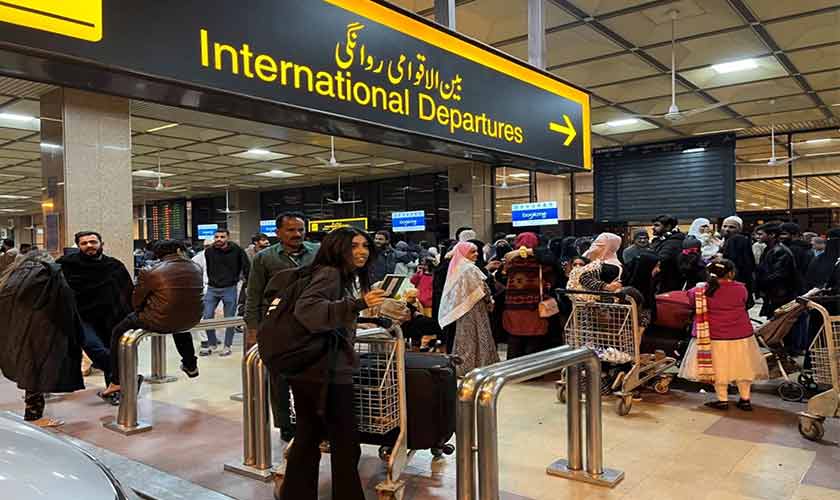
For millions of Pakistanis living abroad, the decision to leave their homeland is rarely made lightly. It is often born out of necessity driven by economic hardship, limited professional opportunities or the desire for a better quality of life. Despite the physical distance, their hearts remain tethered to Pakistan and their hopes deeply intertwined with the future of the country they once called home.
Expatriate Pakistanis, whether in the Middle East, Europe, North America or elsewhere, carry with them a profound sense of identity and belonging. They are ambassadors of their culture, language and values, often working tirelessly in foreign lands to support families back home. Their remittances form a vital lifeline for Pakistan’s economy, contributing billions annually and sustaining countless households. Beyond financial support, their aspirations reflect a deeper yearning for a Pakistan that can offer them the dignity, opportunity and security they seek abroad.
Many expatriates dream of returning home, not just to retire but to contribute meaningfully to the nation’s progress. They envision a Pakistan where merit is rewarded, institutions are strong and rule of law prevails. They hope for a society where education is accessible, healthcare is reliable and civic life is vibrant and inclusive. These dreams are not utopian; they are rooted in the lived experiences of those who have seen such systems work elsewhere and believe their homeland is capable of the same.
There is also a strong desire among the diaspora to remain connected and engaged. From investing in local businesses to supporting charitable initiatives, expatriates often play a pivotal role in community development. Many advocate for reforms, participate in political discourse and seek platforms to voice their concerns and ideas.
Their hopes are often tempered by frustration. Bureaucratic hurdles, political instability and systemic corruption can make engagement difficult. Many feel alienated by policies that overlook their contributions or fail to provide them with a meaningful stake in national affairs.
Despite these challenges, the resilience of the diaspora remains strong. Their continued involvement is a testament to their enduring faith in Pakistan’s potential.
Ultimately, the hopes of expatriate Pakistanis are a mirror to the aspirations of those within the country. They seek dignity, opportunity and a future worth building. Their journey abroad is not a rejection of Pakistan, but a reflection of the circumstances that compel them to look elsewhere. By listening to their voices and valuing their experiences, Pakistan can harness a powerful force for change—one that bridges borders and builds a more inclusive, prosperous future.
This year’s Independence Day theme, Maarka-i-Haq (Battle for Truth), resonates deeply with overseas Pakistanis. It commemorates a recent military operation that reaffirmed Pakistan’s sovereignty and defence capabilities. For many abroad, this theme symbolises the moral and strategic strength of their homeland—a country that continues to stand firm against adversity.
The theme also reflects the broader struggle for truth, justice and progress. Overseas Pakistanis, many of whom have faced challenges of integration, identity and representation in foreign lands, see Maarka-i-Haq as a metaphor for their own journeys. It inspires them to remain connected to Pakistan’s values while contributing positively to their adopted countries.
Overseas Pakistanis harbour dreams of a Pakistan that is economically stable, socially just and globally respected. They dream of a Pakistan that continues to rise against all odds, where talent is nurtured, institutions are strengthened and opportunities are abundant. Their dream is to see a more inclusive and transparent system that recognises their contributions and facilitates their engagement. They hope for reforms that make it easier to invest, vote and participate in national development.
One of the greatest challenges for overseas Pakistanis is ensuring that the next generation remains connected to their roots. Independence Day serves as a powerful tool in this endeavour. Through storytelling, cultural education and community events, parents instill a sense of pride and belonging in their children.
Young Pakistanis abroad are increasingly taking interest in their heritage. They are learning Urdu, exploring Pakistani history and engaging in social causes. Many are using digital platforms to share their experiences, celebrate their identity and connect with peers in Pakistan.
Despite their unwavering love for Pakistan, expats often face challenges that dampen their hopes. Unresponsive civil and political administration, lack of representation and limited access to services are common grievances. Many feel disconnected from the political process and wish for greater inclusion.
Security concerns, corruption and inconsistent policies also affect their willingness to invest or return. They dream of a Pakistan where rule of law prevails, institutions are accountable and citizens—regardless of their location—are treated with dignity.
The hopes and dreams of overseas Pakistanis are more relevant than ever. They envision a country that is:
n Democratic and just, where every citizen has a voice and their rights are protected.
n Educated and innovative, where young minds thrive and research leads to breakthroughs.
n Inclusive and diverse, where minorities are respected and women feel empowered.
n Peaceful and prosperous, where borders are secure and opportunities abound.
Independence Day is a celebration of freedom. For overseas Pakistanis, it is also a celebration of hope. It is a day to honour the past, embrace the present and shape the future. As the green and white crescent flag waves across continents, it carries with it the dreams of millions—dreams of a Pakistan that is strong, united and free.
In the words of Quaid-i-Azam, “With faith, discipline and selfless devotion to duty, there is nothing worthwhile that you cannot achieve.” The 78th Independence Day is an opportunity for introspection. It is a call to policymakers to engage the diaspora meaningfully, to listen to their concerns and to create pathways for collaboration.
Overseas Pakistanis may be thousands of miles away, but their hearts beat with Pakistan. In that heartbeat lies the promise of a brighter tomorrow.
The writer teaches journalism at Lamar University in Texas. His X handle: @awaissaleem77.