Print Story
X




Following large-scale civilian suffering in Gaza, sympathy across the globe began swaying in favour of Palestine, particularly on university campuses in the US
| I |
n October 2023, the Hamas-led attack on Israel triggered a severe Israeli military offensive in Gaza. The resulting attack by Israel resulted in a severe humanitarian crisis—including thousands of civilian casualties, widespread displacement and critical infrastructure destruction—sparking a rapid shift in global discourse.
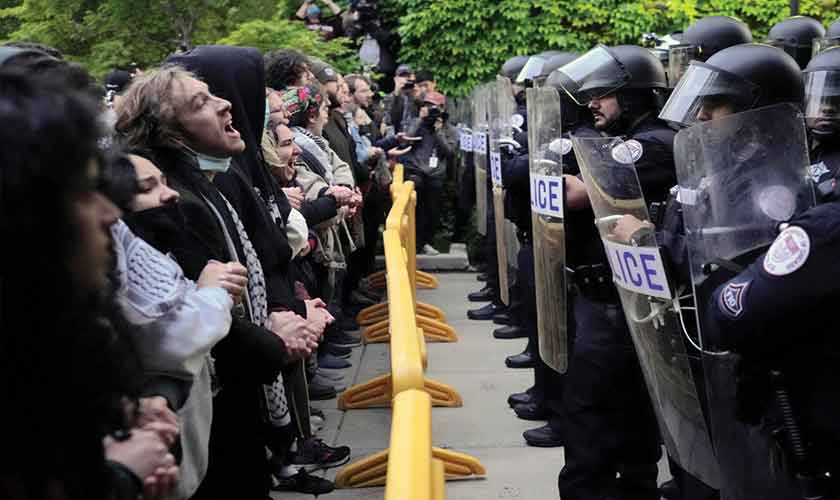
Initially, many nations and public opinion polls expressed strong support for Israel’s right to self-defence. But in the months that followed, especially after reports of large-scale civilian suffering, sympathy began shifting. Simultaneously, pro-Palestinian protests accelerated internationally, particularly on university campuses in the United States, where students demanded divestment, academic boycotts and ceasefire. These developments coincided with increasing European reconsideration of diplomatic positions toward the Israeli-Palestinian conflict.
Gallup and AP/ NORC data show that by late July 2025, only about 32 percent of Americans approved Israel’s conduct in Gaza, down roughly 10 points from a year earlier, with a 60 percent disapproval overall. Pew Research (April 2025) found that 53 percent of US adults express an unfavourable view of Israel—up from 42 percent in March 2022, before the October 2023 conflict. Chicago Council surveys show that 12 percent of Americans now favour siding with the Palestinians in the conflict—still small, but the highest share yet recorded—even as 58 percent favour neutrality and 28 percent still favour Israel.
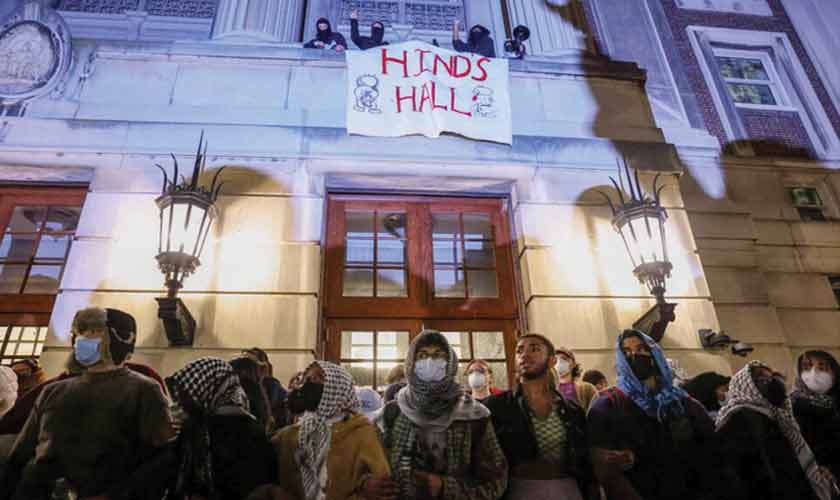
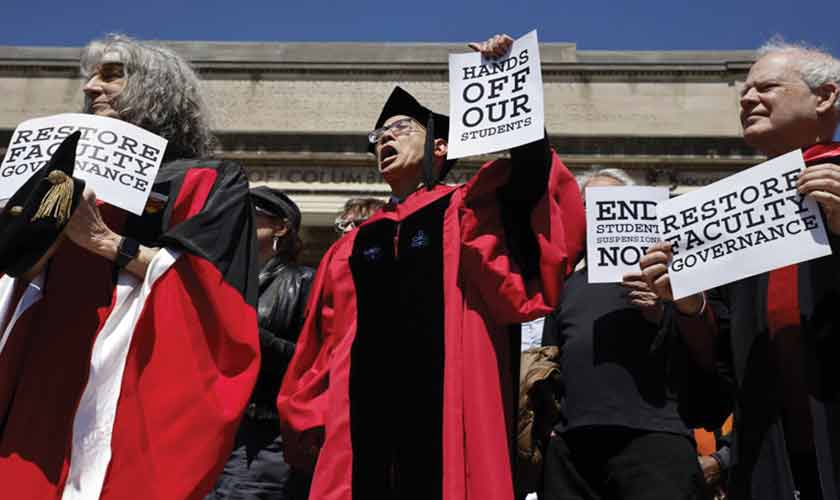
The Crowd Counting Consortium tracked over 3,700 protest-days at more than 500 US schools (colleges, universities, K-12) from October 7, 2023 onward, including encampments at more than 130 campuses. Protests at institutions like Columbia, UC-Los Angeles, UC-Irvine, Ohio State, University of Virginia and Rice University were prominent, featuring occupations, sit-ins, and demands for divestment, academic boycott, transparency and acknowledgment of genocide.
Surveys show that roughly two thirds (65 percent) of college students report being somewhat supportive of pro-Palestinian protests; only about 11 percent oppose them. Among US adults overall, YouGov found 28 percent support and 47 percent oppose pro-Palestinian campus protests, age being a key factor—37 percent of adults aged 18-29 whereas only 19 percent of those over 45 support the protests.
The parallels between these protests and earlier movements—such as anti-apartheid demonstrations in the 1980s or the Vietnam War student activism—have been unmistakable. Activists have adopted tactics like encampments, sit-ins and symbolic displays (e.g., mock checkpoints or apartheid walls), which resonate with older generations familiar with these strategies. This historical continuity has amplified the perceived legitimacy of the protests while also drawing sharper backlash from critics who view them as disruptive or antisemitic.
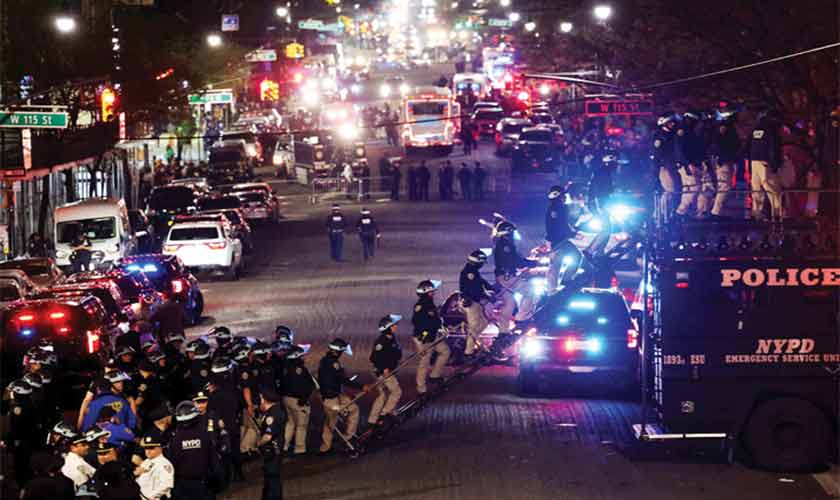
Several universities received such backlash. The UCLA removed encampments through police raids, resulting in over 200 arrests; UC-Irvine, UVA, and Ohio State faced encampment crackdowns as well. In 2025, the UCLA was sued by Jewish students and a professor and reached a $6.1 million settlement over failure to protect Jewish students from a hostile environment. The Justice Department is probing civil-rights violations.
Western Europe and UK, albeit late, have started raising humanitarian concerns. A July 2025 UK poll indicated growing sympathy for Palestinians and widespread concern over Gaza’s humanitarian situation. While 67 percent still support Israel’s right to exist, support for Israel’s actions in Gaza is weaker, and there’s increasing public backing for state recognition of Palestine. The EU parliamentary action in early 2024—including calls for a ceasefire—reflect deeper public dissatisfaction across Europe with Israel’s conduct in Gaza.
These shifts in public opinion have translated into tangible diplomatic changes. Countries like Spain, Ireland and Malta moved to recognise Palestinian statehood in 2024, a trend that gathered momentum in 2025. In mid-July 2025, 10 countries (France, Australia, Canada, Finland, New Zealand, Portugal, Andorra, Malta, San Marino, Luxembourg) either recognised Palestine for the first time or formally pledged recognition soon. France has publicly committed to recognising Palestine at the UN General Assembly in the forthcoming September session. The United Kingdom and Canada have also announced strong intention to recognise Palestine during the September UN session, joining France. These developments are tied to widespread media coverage of civilian suffering in Gaza, which has deepened public pressure on governments.
The US remains a critical arena where these shifts could have global repercussions. Younger voters, especially those under 30, are increasingly dismayed with Washington’s unwavering support for Israel. This generational divide could influence US electoral politics and future foreign policy orientations. The impact of mass protests, polling trends and international diplomatic actions suggests a growing alignment of public sentiment and political action.
Polling within Gaza and the West Bank shows nuanced attitudes: while some Palestinians endorsed the October 7 attack (e.g., December 2023 surveys), opinions have evolved, and many now favour a two-state solution. Still, a plurality supports Hamas’s continued control post-war in West Bank more than Gaza itself. That is a direct negation of the joint demand by the US and Israeli governments that Hamas should be completely dismantled, and all hostages should be returned unconditionally to Israel before peace can be achieved. Hence, the standoff persists.
The potential implications of this conflict and ensuing humanitarian crisis for future international policy are significant. If these trends continue, governments may be compelled to reassess their positions at forums like the United Nations, where recognition of Palestinian statehood remains contentious. In the United States, younger voters’ growing disillusionment with Washington’s longstanding support for Israel could affect electoral politics, particularly in swing states where youth turnout is critical. Internationally, broader recognition of Palestine by Western nations could isolate Israel diplomatically, alter the calculus of peace negotiations and change the balance of power in the region. The combined impact of protests, polling data and diplomatic actions suggests a shift that could reshape how the Israeli-Palestinian conflict is framed and addressed for years to come.
The writer teaches journalism at Lamar University in Texas. His X handle: @awaissaleem77.