Print Story
X




The story of national economy is being written in spreadsheets, not shop floors
| K |
hurram Schehzad, advisor to the finance minister, recently pointed to Pakistan’s rising foreign exchange reserves, lower debt-to-GDP ratio and improved import cover as signs of strengthening economic stability. These achievements are notable. Yet, they must be weighed against the broader picture: a stagnant economy, shallow reform and persistent structural vulnerabilities.
Stability
The government is seeking credit for a fiscal turnaround: inflation is down to 3.5 percent; there has been a $1.81 billion current account surplus; and a primary balance of payments surplus of 3.2 percent of the GDP. Foreign exchange reserves have climbed to nearly $17 billion and remittances surged to a record $38 billion (July-June). These optics may impress some of the donors and rating agencies, but little has improved for the average citizen or small business. Unemployment, underreported, continues to suffocate households. Purchasing power remains stifled. The cost of living is still unbearable despite the cooling CPI indicators. The so-called surplus masks a long stretch of contraction.
The economic model remains dangerously narrow. The surplus wasn’t achieved by expanding production or exports, but by slashing development, compressing imports and waiting for inflows. The social cost of this ‘discipline’ has been immense, particularly for the lower middle class and the informal labour force.
Growth
While real GDP grew by 2.68 percent in FY2025, the quality of that growth is questionable. Large-scale manufacturing (LSM) declined by 1.5 percent during July–April. Cement dispatches grew by 2.5 percent, but domestic sales fell by nearly 2 percent. Automobile production saw a temporary uptick, but largely due to import permissions and vendor relaxation, not industry revival. Construction and textiles, once mainstays of employment and exports, are still in distress.
Exports rose 4 percent year-on-year, while imports climbed by over 11.5 percent, widening the trade deficit to $24.4 billion. The IT exports increased and remittances offered a buffer, but this is no substitute for productive industrial growth. The external sector remains vulnerable to global commodity shocks, oil price volatility and remittance fluctuations.
The remittance cushion
In FY2025, remittances surged by a record 26.6 percent to reach an all-time high of $38.3 billion. These inflows provided crucial support to the balance of payments and helped build foreign exchange reserves. However, they also reflect a persistent paradox: while money from abroad props up the macroeconomic framework, the domestic economy continues to operate in a boom-and-bust cycle. Inflation may have declined on paper, but essential items remain unaffordable and the pressure on urban households endures. Export-led industries and the LSM sector have not kept pace, failing to lift the country’s economic trajectory in a sustainable direction. Until these foundational engines of growth are reignited, remittances will serve as a plaster on a deep structural wound.
Revenue and inequality
Federal revenue collection has grown impressively. The FBR revenues increased by 25.9 percent to Rs 10.2 trillion; non-tax revenues surged by 68 percent to Rs 4.3 trillion. However, these numbers hide a deep imbalance: the burden of taxation is still skewed. The system remains over-reliant on indirect taxes, customs and petroleum levy. Agriculture, real estate and retail sectors continue to evade fair contribution.
Improvement in macro indicators means little when micro realities are so dismal. We cannot afford another year of self-congratulatory data points while the economy gasps for air. Pakistan needs reforms that touch the ground, not just numbers.
The promise of expanding the tax net remains largely unmet. Those already in the net — salaried workers and small formal businesses — continue to shoulder the heaviest burden. The government’s compliance with IMF benchmarks is evident, but it comes at the cost of a widening gap between Pakistan’s tax-paying minority and its powerful untaxed elite.
Missed opportunity
Fiscal tightening, under IMF oversight, has produced a textbook primary surplus. Yet, the government has failed to use the space for meaningful structural reform. Privatisation of loss-making SOEs, a long-standing goal, remains stalled. The power sector’s circular debt has shown no substantial reduction. Energy pricing, while rationalised for fiscal targets, continues to hurt consumers and has not improved distribution efficiency.
In agriculture, the data shows better seed distribution and increased mechanisation, but land reforms, water pricing and market access remain untouched. Subsidies benefit middlemen more than farmers. Even in the digital and services space, where Pakistan has clear potential, policy support remains fragmented and reactive.
Dependency and stagnation
Pakistan’s growth narrative remains externally driven. The economy depends on overseas remittances, debt rollovers and multilaterals to stay afloat. Foreign direct investment declined by 7.6 percent this year. Portfolio investment has turned negative, with net outflows of $624 million. The finance team may claim credibility through credit rating upgrades, but investor confidence remains tepid.
Schehzad recently noted that Pakistan’s foreign exchange reserves had crossed $14.5 billion rising by $5.12 billion from the FY2024 level and exceeding the IMF expectation. He emphasised that these gains came not from debt, but through exports, IT services, investment and record remittances. Import cover is now at 2.5 months, up from 1.7 months last year. These are important achievements, but they raise the question: are we stabilising our balance sheet or transforming our economic engine?
If we build reserves without increasing productivity, we risk mistaking temporary resilience for long-term reform. IT and remittances are crucial buffers, but they do not replace broad-based industrial growth, SME empowerment or structural shifts in our trade and energy models.
The stock market rally, often cited as a sign of confidence, is largely speculative and driven by institutional repositioning in response to monetary easing. The policy rate may have come down to 11 percent, but access to credit for SMEs and job-creating sectors remains limited.
Optics and outcomes
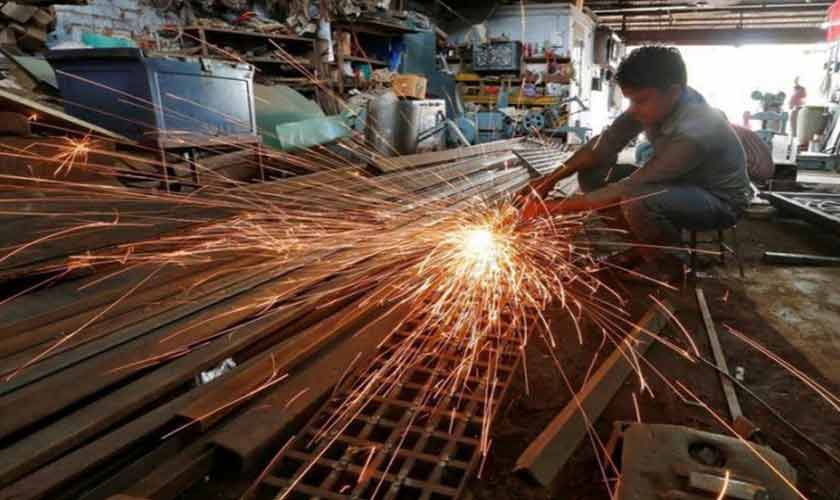
Pakistan’s economic story is being written in spreadsheets, not in streets or shop floors. The budget reflects hard choices and the fiscal indicators have improved but unless the numbers translate into industrial recovery, export diversification and a fairer tax regime, the economy will remain trapped in cycles of superficial stability.
Macro indicators mean little when micro realities are so dismal. We cannot afford another year of self-congratulatory data points while the economy gasps for air. Pakistan needs reforms that touch the ground, not just numbers.
-Improvement in macro indicators means little when micro realities are so dismal. We cannot afford another year of self-congratulatory data points while the economy gasps for air. Pakistan needs reforms that touch the ground, not just numbers.
The writer is a freelance journalist based in Islamabad. He mostly reports on the economy, energy and climate issues. He tweets/posts @fezi22 and can be reached at fparacha@gmail.com.