Print Story
X




The absence of essential drowning prevention steps in high-risk areas remains a serious concern
| T |
he World Health Organisation recognises drowning as a major global public health concern. World Drowning Prevention Day on July 25 each year, raises awareness of drowning’s global toll and promotes life-saving prevention strategies, especially in vulnerable communities. Drowning is a major but often overlooked public health issue, as it claims around 300,000 lives globally each year, with children and young people most affected. Nearly 25 per cent of drowning-related deaths involve children under the age of five. It is the fourth leading cause of death among children aged 1-4 years and the third among those aged 5-14 years. Statistics around the world show variations.
According to the CDC there are 4,000 unintentional drownings in the United States each year – meaning an average of 11 people die from drowning every day in the United States. On the other hand, a staggering 92 per cent of these deaths occur in low- and middle-income countries. Pakistan faces a disproportionate burden in this regard. The country ranks sixth in the world in terms of population and is a major contributor to drowning deaths in the South Asian region. WHO data indicates that drowning accounted for 0.37 per cent of all deaths in Pakistan in 2020, with an age-adjusted death rate of 2.12 per 100,000 population, ranking Pakistan 110th globally. An observational study published in 2025 in the Pakistan Journal of Health Sciences has highlighted a high incidence of drowning deaths in regions surrounding the Chenab River, most of which are accidental and occur during the monsoon and summer seasons. Young males between the age of 11-20 years are mostly affected, highlighting their increased vulnerability.
So, what is drowning? Drowning occurs when a person’s nose and mouth are submerged in water for too long, making it impossible to breathe. As drowning happens quickly and quietly there is only a window of few seconds where you may notice some signs. Drowning doesn’t look like as it does in the movies. There isn’t splashing and screaming and a drowning person wouldn’t wave their arms. Instead, they’re using them to help keep their head above water. An adult or child may be drowning if they are noticeably silent, because a drowning person is unable to make any sounds. The person may also have their head tilted back or low in the water, and their eyes may be glassy or closed. The person may be hyperventilating or gasping, trying to swim but treading water, struggling to grasp whatever physical object or structure is near, or may be floating face down.
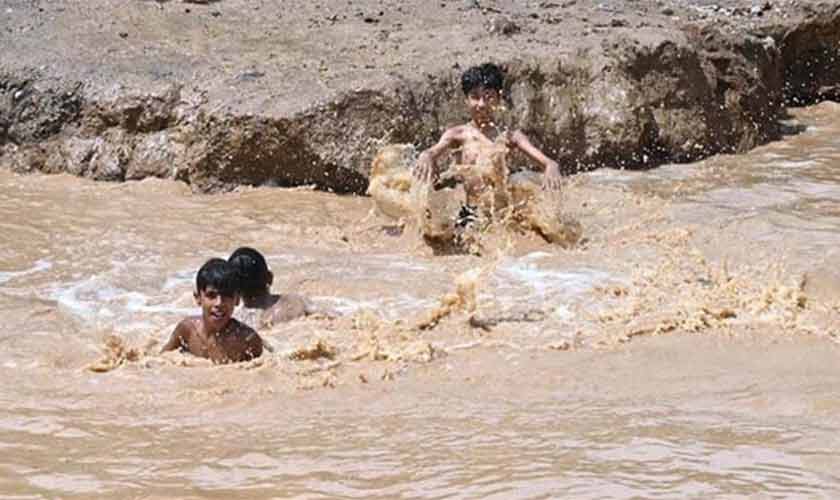
Drowning is a major but preventable cause of death, especially in low- and middle-income countries (LMICs), where the burden is heaviest in rural communities. There are some risk factors that increase a person’s chance of drowning. A key contributor is the lack of swimming skills, particularly among children and young people, which leaves them especially vulnerable. In many LMICs, people depend on open water sources for daily needs, increasing their exposure to risk. Inadequate supervision, especially of children under five near water bodies, further raises the danger. Other high-risk situations include flooding and natural disasters, which heighten drowning risk through displacement, poor awareness and limited rescue capacity. Alcohol and drug use, especially among adults, and medical conditions such as epilepsy also contribute to drowning incidents. Occupational hazards also play a role—individuals working in fishing, transport and other water-related jobs often lack safety gear and training. Additional risk factors include swimming in murky water, exposure to sudden weather changes or strong currents and swimming without supervision or lifeguards. Contributing issues such as poor disaster preparedness, limited access to safe water and weak rescue infrastructure compound the problem. The socioeconomic impact on families and healthcare systems in these areas is profound.
Improving flood risk management and increasing public awareness are essential steps in reducing drowning incidents.
Effective drowning prevention measures include providing survival swimming lessons, raising awareness through community campaigns, ensuring safe access to water and enforcing water safety legislation. The World Health Organisation advocates for community-based interventions such as installing barriers to prevent children’s access to water bodies, creating safe play areas away from water, teaching school-aged children swimming and water safety skills and training community members in rescue and resuscitation techniques. Improving flood risk management and increasing public awareness are essential steps in reducing drowning incidents.
Parental supervision plays a critical role. Swimming aids like floaties, pool noodles and inflatable rings may offer fun but should never be relied on as a substitute for close adult supervision. Children should always be watched attentively when near water—adults must avoid distractions like mobile phones during this time. In public swimming areas, parents can take turns supervising children, but the rule should always be clear: children must not swim without a responsible adult present, even if they are older or strong swimmers.
Swimming lessons are vital. Every child should learn to tread water, float and swim only in designated safe areas. Installing barriers around water hazards, such as home or club swimming pools and ponds, can significantly reduce access and risk for young children. First aid and lifesaving training are equally important. Even non-swimmers can help prevent a drowning death if equipped with basic emergency response skills. For example, those who have first-aid knowledge know that immediate action is critical when there’s a laryngospasm (a spasm of the vocal cords) during drowning, as it can trap water in the lungs. Delivering 3-5 aggressive rescue breaths while supporting the neck and clamping the nose can help open the airway. Furthermore, if there is no or a weak pulse, CPR must be started without delay.
Personal flotation devices, such as life jackets and buoyancy aids, are essential for boating, flood situationss as well as recreational swimming in open water. These devices keep individuals afloat and greatly reduce the risk of drowning, especially for children and inexperienced swimmers. With coordinated efforts, and community education, many drowning deaths and injuries can be prevented —turning the tide on one of the most neglected yet urgent public health challenges of our time.
The absence of essential drowning prevention steps in high-risk areas of the country remains a serious concern, underscoring the need for targeted interventions, improved water safety infrastructure, public education and strong policy enforcement.
The writer is a family physician at Evercare Hospital, Lahore.