

Print Story
X




Disaster management deserves crucial investment and attention to prevent weather hazards before they turn into catastrophes
| N |
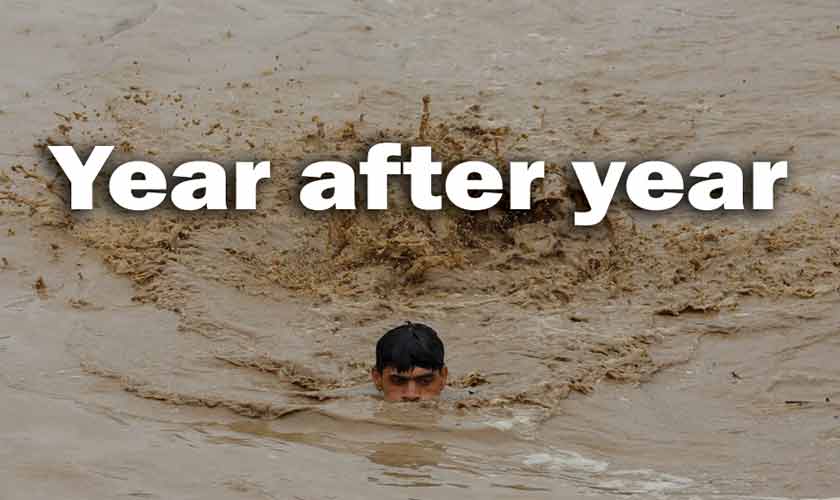
either monsoons nor disasters are new to Pakistan. July to September are predictably the months of torrential rains, glacial melt, flash floods and surging rivers. Climate change has intensified their ferocity and multiplied their vagaries. Technology has equipped decision makers, as well as commoners, with a reasonable prognosis of emerging weather trends, inter alia precipitation, temperature, riverine and torrential floods and early warning on abnormal weather events. Amid all these advances, disasters continue to recur. Preparedness is of paramount importance to avert climatic cataclysms. In the long term, resilient adaptation is key to mitigating the adverse impacts of climate change on the entire spectrum of life, including economy, health, livelihood and food security.
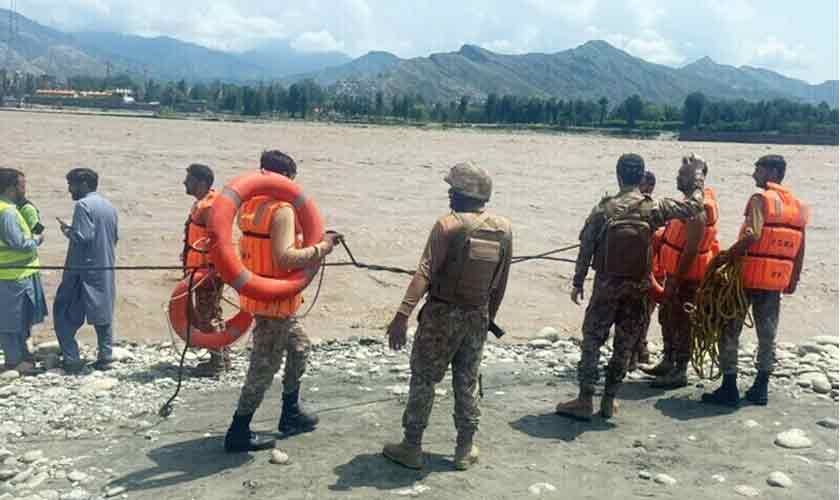
Information needs to be processed into timely action to avoid catastrophes. On June 27, 18 members of a family lost their lives in a tragic incident in Swat. The incident was a testimony to reckless tourism, shoddy emergency response systems and an overall administrative decay. An official probe into the tragedy unmasked sheer administrative failures, lethargy of the emergency rescue service and structures built in violation of the flood zone. As a customary response, local administration swung into belated action and demolished some illegally built private structures, including marble factories, stone-crushing plants and guesthouses.
The Swat River bank, especially near Mingora, is dotted with unauthorised hotels and restaurants protruded into the floodplain. Torrential flows of Swat River shatter these structures and videos are made viral to claim compensation. The Dera Ismail Khan administration has similarly issued notices to several houses built dangerously close to the riverbed. Ironically, such encroachments are not resisted when being erected. Such structures throttle the trachea of the river and pave way for disasters when raging floods descend from the mountains. These are instances of imprudent human interference and neglect that turn hazards into disasters.
According to the data available on July 16, on the official website of the National Disaster Management Authority, 119 persons have died and 255 injured in monsoon-related accidents since June 26. Additionally, 494 houses have been damaged. Analysis of the data shows that 45 percent of the deaths resulted from house collapses.
In 2022, Sindh witnessed an unprecedented monsoon disaster that resulted in complete or partial collapse of over two million houses. Rickety housing infrastructure in rural areas and urban slums is unable to endure vigorous weather shocks. Clumsy site selection and design, poor workmanship and inferior material create the conditions for havoc during monsoon.
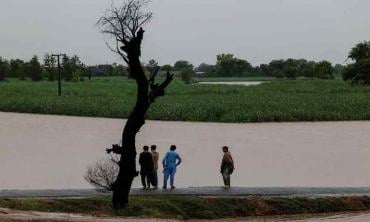
Blocked natural waterways, especially in Sindh, are a chronic source of aggravating torrential floods. Drainage through these waterways is impeded by a multitude of encroachments, including canal banks, poorly aligned roads, sprawling settlements and cropland. A study commissioned by the Sindh Irrigation and Drainage Authority in 2012 mapped all blocked waterways on the left bank of the Indus. The study prescribed a remedial plan for rehabilitation of these clogged waterways. In January 2021, the Sindh High Court ordered the removal of encroachments from the Irrigation Department lands. The Sindh High Court [Sukkur bench] issued a decree in February 2023, ordering the government to improve the drainage of stormwater on both sides of the Indus. The verdict identified 11 obstructions choking waterways from Balochistan to Manchhar Lake on the right bank of the Indus. Regrettably, these court orders have not resulted in substantial action.
A major cause of weak disaster response is our frail institutional array. Pakistan’s disaster management architecture lacks adequate grassroots-level presence. Local governments are spineless bodies without any dedicated human and material resources to tackle disasters on the ground. National and provincial level disaster management authorities are seen scrambling as monsoon sets in. The district tier—district disaster management authorities—is practically non-existent. Ideally, the lowest administrative tier should have been the most vibrant, being the first authority on which responsibility to react fell in case of a calamity.
The National Disaster Management Act, 2010, entrusts the DDMAs with critical functions such as creating, updating and reviewing district disaster management plans; monitoring hazards, risks and vulnerable conditions within the districts; and organising specialised training programmes for government officials and volunteer rescue workers. The devastating floods in 2010 and 2022 exposed the inadequacy of the DDMAs. During the floods, district administrations were found unprepared. Traditionally, when a disaster strikes, the deputy commissioner’s office wears the additional hat of the DDMA. However, it is already overburdened with a plethora of routine duties. The DDMAs have no dedicated secretariats or teams possessing disaster management skills and resources. No wonder, rescue and relief operations during and after floods remained disarrayed. Given the state of affairs, the DDMAs lack the capacity to manage complex disasters such as in 2022. The DDMAs require crucial investment to improve their institutional capacity to prevent and contain hazards before they turn into monstrous catastrophes.
Climate catapults like floods, droughts and heatwaves deprive poor households of their meagre source of livelihoods, including livestock and crops. This was observed during the 2022 floods when communities lost everything—their houses, livestock and crops. Climate proofing of livelihood means is an uncharted territory. A robust roadmap for resilient livelihoods is an urgent need considering the vulnerability of millions of poor. Disaster management merits serious attention and measurable actions.
The writer is a civil society professional. He can be reached at nmemon2004@yahoo.com.