Print Story
X




Natural disasters, such as flash floods, avalanches are a threat to locals as well as tourists
| T |
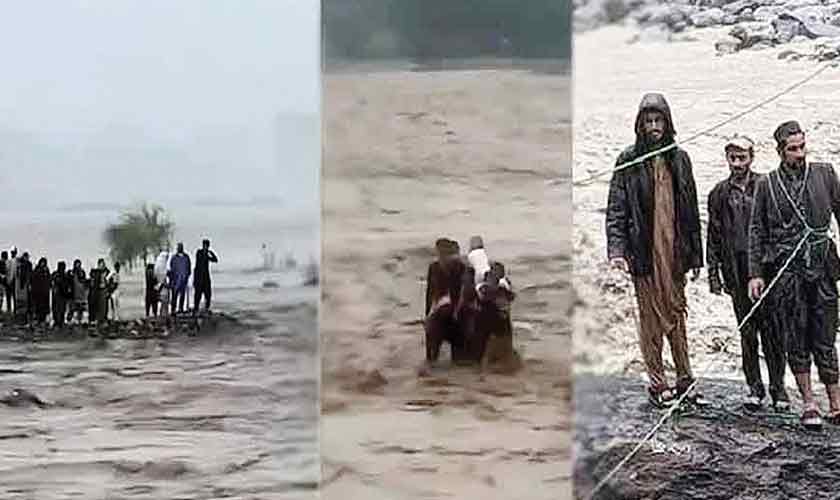
he deaths of 13 people, 10 of them from Sialkot, in a Swat River flash flood has once again highlighted the challenges facing Pakistan’s tourism industry.
Last month, 18 people were swept away by a sudden surge of water in the Swat River. The tourists were having breakfast when they were caught off guard after heavy rains upstream caused an unexpected and rapid increase in water flow. Five of them were later rescued.
Over the past two years, at least 11 major accidents at or on the way to tourist spots have caused more than 100deaths, mostly in the hilly terrains of Gilgit-Baltistan, Khyber Pakhtunkhwa and Balochistan. Prominent among these was the crash at Skardu in which four tourists lost their lives. In June 2025 alone two incidents were reported. On June 21, three tourists, including a 13-year-old boy, suffocated under a large ice block near a Naran waterfall, after a glacial collapse in Khyber Pakhtunkhwa. On the following day, a tourist boat in Shahi Bagh, Khyber Pakhtunkhwa, overturned after its engine stopped working, resulting in the death of two women and the disappearance of another three, including two children. These are not isolated events but symptoms of a systemic breakdown.
The tourist safety crisis in Pakistan is the convergence of a number of system failures that lead to numerous fatal incidents. Poorly maintained roads - like Karakoram Highway or Naran-Babusar Road –lacking guardrails and barriers, and frequent rockslides and landslides, causes fatal falls into ditches. Natural disasters, such as flash floods, avalanches and precarious ice in places such as Naran, are not monitored. The access is not restricted and there are no early warnings in place. The problem is compounded by inadequate regulations resulting in weak vehicles, boats and adventure equipment being allowed to be operated by unqualified personnel. This was evidenced in the Shahi Bagh boat accident which highlighted the lack of required inspections.
Then there is a large data void.Official road safety figures severely under-report deaths — 5,000 nationwide in 2021, compared with an estimated 28,000 according to the World Health Organisation. This compromises effective policy making. They focus on promotion, not safety (the Pakistan Tourism Development Corporation) means that the lacks proper emergency systems. There are no equipped rescue posts and no air ambulances in remote areas – resulting in delays that are potentially fatal. Corruption and lack of fitness for role also make it possible for operators without training to ignore regulation. This aggravates the safety crisis.
At the heart of these failures are the absence of government oversight and accountability.
The chronic under-maintenance of key tourism infrastructure, including roads, trails and facilities, raises a stark question. Increasingly frequent reports of the decay of well-known tourist sites have taken on a frightening normalcy. Decaying bridges, unaccommodating roads and insufficient warning that security alarms have been set off lead to accidents that are easily preventable.
Corruption exacerbates systemic disabilities at every level of the tourism industry. Incidence of bribery and manipulation of rules has resulted in necessary security precautions being relaxed. There have been numerous reports of inadequate licensing for tour operators and guides, suggesting the system is skewed in the interests of profit, not safety. Under such conditions, it is hardly surprising that the overall security architecture collapses.
Tourism, a major contributor to the economy in Khyber Pakhtunkhwa and Gilgit-Baltistan regions, brings in around $4 billion every year.Persistent security problems can scare the tourists away and threaten this revenue source.
Absence of training requirement for the tourism staff adds to the problem. Few of the front-line staff in the hotel industry have been formally trained in tourist safety procedures. Lack of proper emergency response, risk management and customer service training means that these people are poorly armed to do what’s best for the guests. This lack of education can lead to mistakes in the event of an emergency, as well as accidents than could have been avoided.
The continuing crisis poses a multi-faceted challenge to Pakistan. Tourism, a major contributor to the economies of Khyber Pakhtunkhwa and Gilgit-Baltistan regions, brings in around $4 billion every year.Persistent security problems are likely to scare the tourists away and threaten this revenue source. The echoes of each accident are heard around the world, reinforcing negative perceptions and obscuring Pakistan’s beauty and charm with unsavory media and broad-brush social-media coverage. The human loss, beyond the economics and image, is beyond description. Every tragedy that destroys a Pakistani or foreign family costs us moral high ground. Nobody has a right to put profit before safety. The deaths are a sad reminder of a lack of national protocols on safety such as compulsory life jackets, certified guides and boat safety checks. In remote regions, where communication networks and rescue infrastructure are not well established, the risk gets multiplied so that the tourists are exposed to avoidable threats in an emergency.
This crisis requires an immediate, all-out response from federal and provincial officials, both to protect tourists and to ensure the tourism industry. Training programmes for the tourism sector personnel are crucial. Partnerships between the government, local companies and international tourism organisations can help create effective training curricula focused on preparing for emergencies, first aid skills and excellence in customer service. Training local teams to effectively respond to emergencies not only protects tourists, but also improves the overall experience, ensuring rapid and competent assistance when necessary. Modernising the road traffic infrastructure by expanding and strengthening the roads, setting up safety barriers, rockfall nets and early warning systems to deal with natural hazards is essential. Requiring vehicle and boat inspections, certifying drivers and guides and setting guidelines for high-risk activities such as hiking and boating is critical. Emergency rescue should be further strengthened with the establishment of 24/7 rescue posts in high-risk areas includes Naran, Skardu, Swat and supported by air ambulances and enhancement of telecom coverage. Transparency will be improved by implementing a public safety database, annual inspections and independent ombudsman for accountability. At the national level, the Ministry of Tourism and the Ministry of the Interior should coordinate the Tourist Safety Council to ensure provincial efforts are in sync and to initiate safety awareness campaigns.
Longer term reform agenda must include compulsory accreditations for tourism businesses, national infrastructure investment planning and training programmes for international standard emergency procedures. A multilingual tourist hotline should be set up and operators required to run regular emergency drills. These transformational reforms, implemented with a sense of purpose, can help Pakistan turn its tourism from a liability into a safe and sustainable opportunity.
The way forward
Pakistan’s potential for tourism is a national asset. That potential depends on it being safe. Naran and Shahi Bagh are flashbulbs prefiguring decisive action backed by political will and investment. Pakistan can regain trust; ensure safety of tourists and reap the dividends. It has much to gain, including the economic and cultural dividends. The time for change is now.