

Print Story
X




The Lohars transformed sung storytelling into a cultural treasure
| A |
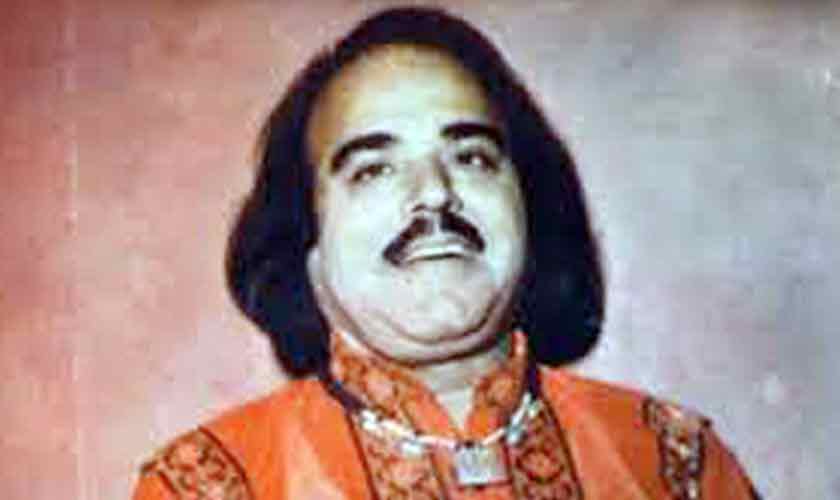
lam Lohar was fortunate in that his musical legacy was carried forward by his sons.
Until the early Twentieth Century, it was common for the male offspring of vocalists and musicians to continue the family tradition. This was expected, as professions were often passed down along bloodlines, and it was not unusual to adopt one’s ancestral occupation. In fact, it was considered almost sacrilegious not to do so.
However, over the past century, this tradition has steadily declined. Younger generations increasingly seek out other career opportunities in fields that are not hereditary. The exponents of khayal, in particular, have been among the hardest hit. As the genre lost popular appeal, many from the next generation either abandoned the profession altogether or switched to more widely accepted musical forms.
Folk singers, however, did not face the same dilemma, as venues were readily available to support their transition. In later decades, particularly after the dismemberment of Pakistan, qawwals also did not feel compelled to abandon their hereditary forms of expression. This was despite the country’s broader cultural shift towards a quasi-religious tone in most art forms.
The ghazal genre also flourished during this time, largely because its musical expression was valued more for its association with poetry than for sonic experimentation. The latter was often considered too abstract and most audiences lacked the musical education to fully appreciate its virtuosity.
With a chimta in hand as his rhythmic accompaniment, Alam Lohar emerged as a star performer at the numerous melas held across the country. Possessing a prodigious memory, he could effortlessly recite a wide range of dastaans and poetic kalam, whether published or passed down orally, captivating audiences throughout the night.
Performances at melas and urs events were typically held at night, with one artist following another in a sequence known as pirh ka gana or khula gana. In this format, composed sections were minimal, making way for improvisation, expansion of the raga, and spontaneous interaction with the audience. Seasoned vocalists instinctively sensed what the crowd would respond to, often prompting enthusiastic calls for encores.
Around the time of Muharram and in the weeks that followed, Alam Lohar often chose to perform narratives centred on revered religious figures and their tragic histories. This vast repertoire of devotional and narrative forms was once a regular feature of such gatherings. Over time, much of this oral tradition has been lost, except for what was deliberately recorded or preserved by chance.
Alam Lohar was fortunate in that his musical legacy has been carried forward by his sons.
His was a captivating presence, primarily that of a vocalist, but with a subtle theatrical touch.
Until the mid-20th Century, it was common for musicians’ sons to inherit and continue the family’s artistic tradition. Professions were often determined by bloodline. Taking up the family trade was expected; in fact, it was considered almost sacrilegious not to do so.
Over the last century, or at least in recent decades, this tradition has been in decline, as the next generation increasingly seeks opportunities in fields that are not hereditary. The exponents of kheyal have been particularly affected, as the diminishing popularity of the form has led many younger musicians to either abandon the profession or shift to more widely accepted genres.
Folk singers, however, did not face the same dilemma, as platforms remained accessible for them to adapt and continue performing. In the decades following the dismemberment of Pakistan, qawwals too largely escaped this rupture. They remained committed to their hereditary forms of expression, even as the country’s artistic landscape began to adopt a quasi-religious tone across various mediums.
The ghazal also gained significant prominence, as its appeal lay more in its poetic association than in sonic experimentation. The subtle virtuosity of more abstract musical forms was often considered inaccessible to general audiences, many of whom lacked the training or exposure required to fully appreciate them.
Alam Lohar was a star performer at the various melas held across the country. His memory was prodigious; he could effortlessly recite countless dastaans and other poetic kalam, whether published or oral, and would keep audiences spellbound throughout the night.
Performances at melas and urs were typically held at night, with one performer following another in what was essentially pirh ka gana or khula gana, a form where composed segments were minimal and gave way to improvisation, the expansion of raag, and spontaneous expression. Experienced vocalists quickly gauged audience responses and connected with them through powerful, resonant calls for an encore.
Around and after Muharram, Alam Lohar would often focus on narrations centred on venerated figures and their tragic encounters. This vast repertoire of narrative forms was once a regular feature of cultural gatherings. Yet, over time, much of it has been lost, except for what was purposefully recorded or captured by sheer accident.
Using the chimta as rhythmic accompaniment, Alam Lohar moved fluidly across the stage, adding only the necessary gestures to emphasise the narrative being sung. His was a captivating presence, primarily that of a vocalist, but with a subtle theatrical touch. This minimal acting never overshadowed the power of the sung narrative.
Arif Lohar has inherited this repertoire of dramatic narrative forms, which have long been popular and culturally rooted, a midway point between storytelling and performance. Perhaps the strength of the narrative tradition itself prevented drama from fully emerging as an independent form, due to what Keats described as a lack of “negative capability.”
Arif Lohar has carried the form forward without compromising the integrity of what he received. Fortunately, recordings of Alam Lohar are still available, allowing listeners to appreciate the distinctions between the two. Together, they have enriched the musical heritage of this region.
The writer is a Lahore-based culture critic.