

Print Story
X




Threats to Pakistan’s healthcare amid growing climate change concerns
| “S |
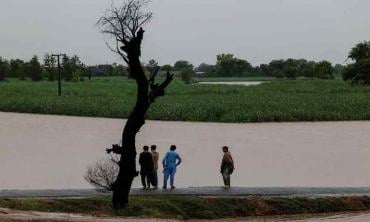
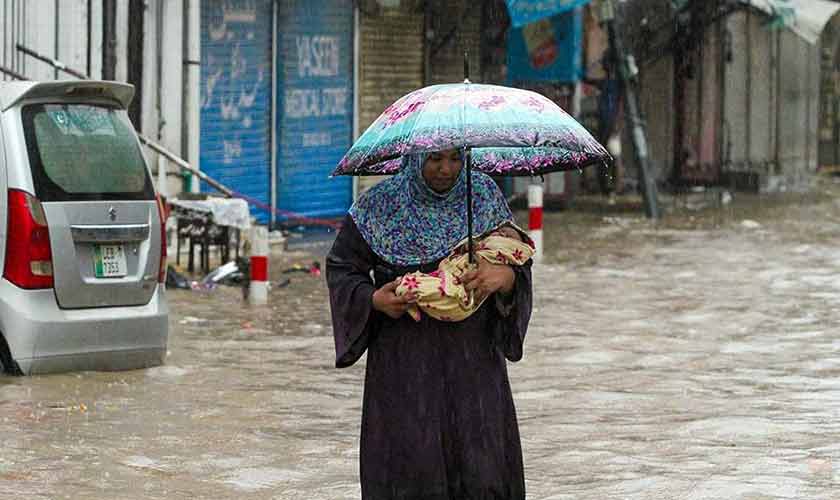
he walked for three days to reach a hospital after the floods had destroyed most roads; she did this while she was pregnant. When she arrived, she was in a terrible state: starved and in torn clothes. Tragically, she had a miscarriage,” says Dr Ghanwa Khalid, a medical officer working at the Tehsil District Headquarter Hospital in Taunsa, as she recounts the situation following the 2022 floods that claimed 1,800 lives. Having worked in the gynecology ward, Dr Khalid observes that most of the women admitted following the floods were emaciated. Many women had walked for miles because most roads were underwater or blocked. Nearly, half of them suffered miscarriages due to lack of access and essential facilities.
“While we had ordered medicines and possessed facilities, we could only provide them with basic care and treatment. We couldn’t provide food or financial assistance. Most of the women lost their babies. Some who gave birth carried the newborns in blood-soaked clothes.” Regarding healthcare capacity, she emphasises that government facilities remained insufficient. She had volunteered with NGOs and other groups in camps to provide healthcare to flood survivors, as hospitals were too distant for many to benefit from them.
A World Health Organisation report, Impact in 2022, states that during the flood, many medical facilities were either damaged or overcrowded. Rudimentary shelters with inadequate access to safe water and sanitation also became significant contributors to disease outbreaks. Government doctors in these towns also suspected that almost every other person was suffering from some water-borne disease, malaria, typhoid or anaemia. However, they did not have the facilities to diagnose these diseases at the time.
Beside emergencies, Pakistan’s healthcare system is underfunded and overstretched. Climate disasters create an extra strain that overwhelms limited hospital capacity and leads to preventable deaths, particularly among vulnerable groups like children and the elderly. A research by the WHO shows that 3.6 billion people already live in areas highly susceptible to climate change. Between the years 2030 and 2050, climate change is expected to cause approximately 250,000 additional deaths per year, from undernutrition, malaria, diarrhoea and heat stress. The diseases aggravated by climate change and environmental pollution include respiratory issues, heat stroke, malaria and diarrhoea.
“Cities are still more developed—their facilities are better-equipped, medicines are accessible and people can get timely treatment. The real challenge with climate change induced disaster is faced by people in the rural areas who already lack access to best healthcare. Most climate induced disasters also occur in these areas so that even accessing such facilities becomes a challenge. Accessibility is the major issue in healthcare,” she adds.
The floods in 2022 attracted international attention and funds that helped the government facilitate rebuilding. Other communities such as in the Indus Delta now face other challenges like rising sea levels and saltwater intrusion, destroying livelihoods and increasing waterborne diseases. Limited medical care access makes treatment a struggle. The ecological disaster at Manchhar Lake, contaminated by industrial waste, has led to widespread skin and gastrointestinal ailments among local populations, who lack adequate medical support. Tharparkar, grappling with desertification as well as industrial pollution, houses populations experiencing severe malnutrition and respiratory illnesses, with healthcare facilities often distant or under-resourced.
The Pakistan Academy of Sciences has reported that over 65,000 people in Karachi needed hospitalisation due to heatstroke, resulting in hundreds of deaths in 2015. Hospitals, especially in the Punjab, experience a massive influx of patients suffering from respiratory issues during smog.
“As I grow older, I am unable to cope with extreme weather conditions. I feel that my entire body gives up due to constant fatigue triggered by extreme temperature both in the summers and the winters,” says Ayesha Bibi, a 75-year-old woman living near Faisal Town in Lahore.
From a healthcare perspective, climate induced disasters are tricky. Extreme weather events like floods can damage or destroy healthcare facilities, limiting access to essential services for affected populations. The 2022 floods, for instance, destroyed 13 percent of Pakistan’s medical facilities. Many healthcare professionals may lack adequate training and resources specifically needed to address climate-related health risks, making it challenging to effectively diagnose, treat and prevent diseases.
In a country where healthcare is underfunded and unequally distributed, climate-induced crises disproportionately affect the most marginalised, creating an endless cycle of illness and poverty.
The writer is an educator and an investigative journalist