


Print Story
X




From investigative reporting to intimate memoirs, non-fiction writing continues to reshape how we understand the personal, the political, and everything in between. Take this quiz to test your non-fiction knowledge.
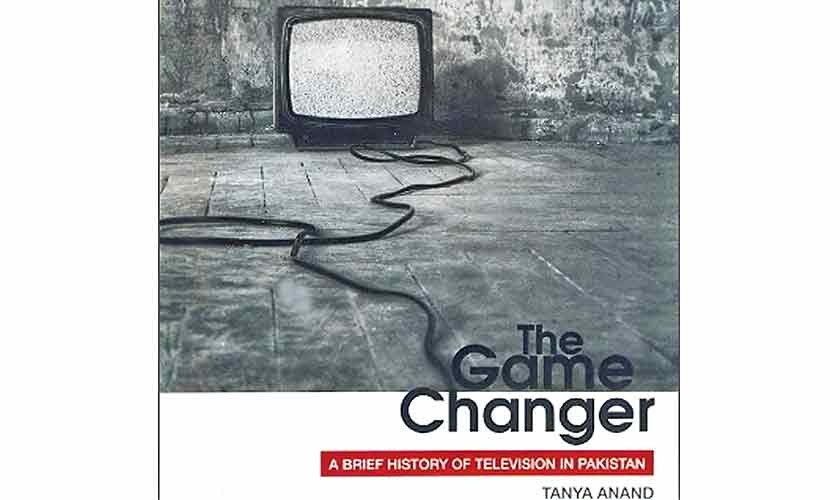
1. Which book captures late actor and comedian Moin Akhtar’s legacy?
a) Humour & Humanity: The Life of Moin Akhtar
b) One Man Show
c) Curtain Call: Icons of Pakistani Comedy
d) The Laughing Man
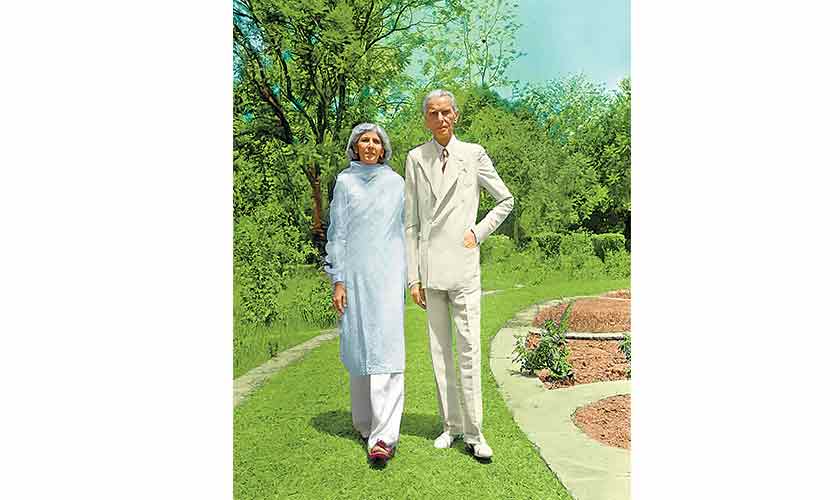
3. What is the primary focus of My Brother by Fatima Jinnah, first published in 1987?
a) A political critique of dictatorship
b) A biographical sketch of Muhammad Ali Jinnah
c) The memoirs of Fatima Jinnah’s time as a dentist
d) An overview of the Pakistan Movement from a student’s perspective
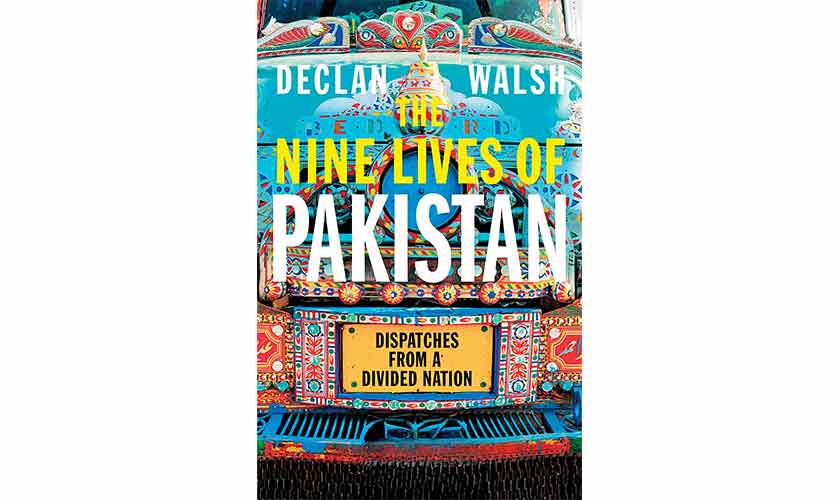
2. Declan Walsh’s The Nine Lives of Pakistan was written following which significant event?
a) His formal appointment as
a CNN correspondent in
Islamabad
b) The aftermath of the
Abbottabad raid
c) His sudden expulsion from Pakistan in 2013
d) The assassination of a
former Prime Minister
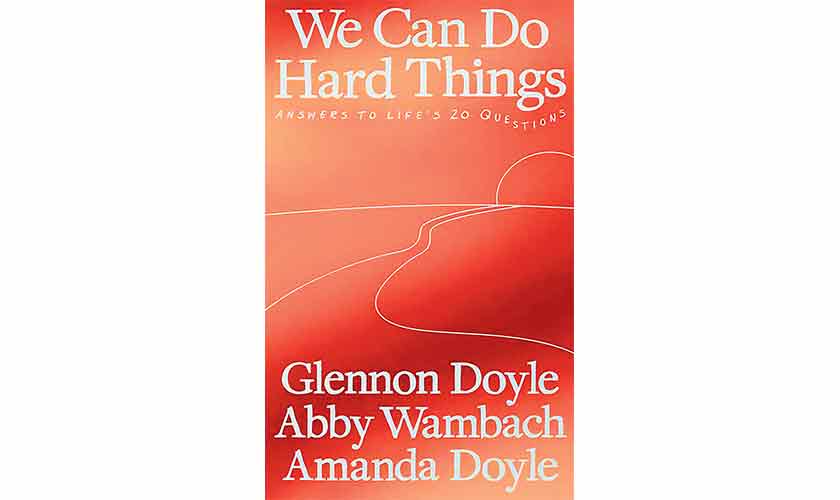
4. Which theme is central to We Can Do Hard Things: Answers to Life’s 20 Questions by Glennon Doyle, Amanda Doyle, and Abby Wambach?
a) Entrepreneurial leadership in post-pandemic America
b) Gender parity in the workplace
c) Finding wholeness through
vulnerability and truth-telling
d) The rise of eco-activism in Western media
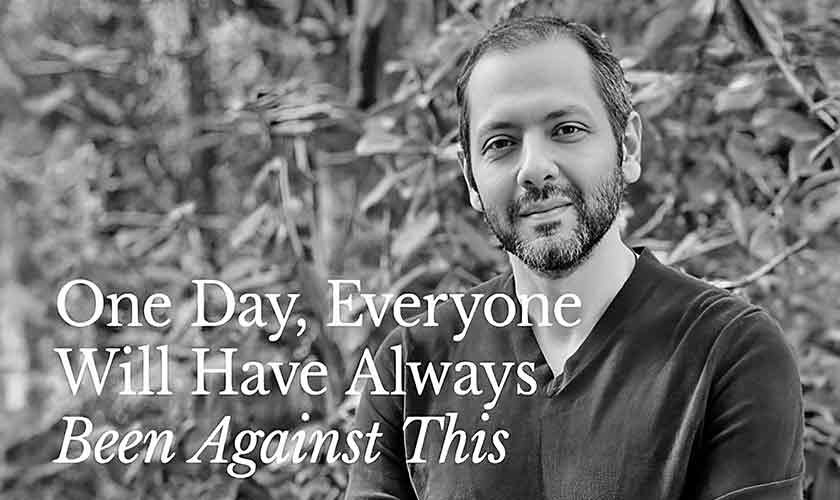
5. Omar El Akkad’s One Day, Everyone Will Have Always Been Against This can be best described as:
a) A memoir of war-torn childhood in Cairo
b) A collection of political essays about
displacement and identity
c) A speculative analysis of climate refugee crises
d) A behind-the-scenes look at international diplomacy
Answers
1. The correct answer is b.
A poignant and personal tribute, One Man Show commemorates Moin Akhtar’s wit, humility, and long-lasting legacy in his own voice and the words of his contemporaries and loved ones. With a foreword by Zia Mohyeddin and a preface by Anwar Maqsood, the memoir contains vivid reminiscences, candid stories, and rare photographs celebrating Akhtar’s revolutionary role in creating contemporary Pakistani comedy and television. It charts his early setbacks, work ethic, unmatched versatility, and ability to switch between satire and drama with ease.
Released 13 years following his death, the book not only keeps his memory alive but also encourages new generations of performers. It feels like a nostalgic chat with the man himself—funny, perceptive, and unforgettable.
2. The correct answer is c.
Declan Walsh, The New York Times’ Islamabad bureau chief at the time, was suddenly ousted from Pakistan in May 2013 on suspicion of involvement in “undesirable activities.” His abrupt exit generated headlines across the globe and led to questions about the place of foreign journalism in politically unstable countries. This abrupt deportation became the impetus for The Nine Lives of Pakistan (2020), a narrative constructed from more than a decade of on-the-ground reporting. The book presents richly drawn portraits of nine people—dissidents and mystics, soldiers and everyday man—whose lives capture the contradictions, complexities, and endurance of a nation. More than journalism, it is a letter, almost, to a land Walsh knew as home, filled with admiration, exasperation, and real love. It’s a portrait of a nation living through constant change.
3. The correct answer is b.
Written during the 1950s but blocked till its posthumous publication in 1987 by the Quaid-e-Azam Academy, My Brother is a rare first-hand account by Fatima Jinnah of her brother Muhammad Ali Jinnah’s private and political life. The book reveals Jinnah’s personal turmoil, his failing health, and the tremendous pressure he had to endure during the last years of his life. Fatima Jinnah does not just depict him as a national founder but as a brother: ambitious, disciplined, frequently isolated, and strongly committed to his mission. It gives readers a unique perspective on the individual behind Pakistan’s creation, providing essential information omitted from official history and solidifying his position not only as a statesman, but as a human being and more than ‘father of the nation’. The book is characterised by its emotional intensity and frank criticism of people who, in her view, mismanaged Pakistan’s early direction following Jinnah’s death.
4. The correct answer is c.
Based on the extremely popular podcast of the same name, We Can Do Hard Things (2025) is co-written by Glennon Doyle, her sister Amanda Doyle, and spouse Abby Wambach. The book is a self-help piece of writing and a memoir, calling on readers to lean in to discomfort, establish meaningful boundaries, dismantle inherited habits, and get real with their truths.
Through personal essays and shared insights, the authors examine parenting, identity, and recovery from addiction. It emphasises the need to be present and authentic in the face of fear, uncertainty, or societal expectations. Their united voice provides validation and strength to anyone trying to make sense of the messiness of life. Together, they establish a place for vulnerability and honesty, demonstrating that it is possible—and imperative—to do “hard things” for healing and transformation.
5. The correct answer is b.
Omar El Akkad’s One Day, Everyone Will Have Always Been Against This (2025) is a deeply personal collection of essays on the subject of exile, identity, surveillance, race, and belonging. Egyptian-born Canadian author Omar El Akkad, who’s known for his dystopian novel American War, shifts to non-fiction here to analyse how “otherness” stories are told and often used as weapons.
The title was taken from a tweet El Akkad sent early during Israel’s 2023 bombing of Gaza, pinpointing the selective moral clarity of the world conscience. “One day, when it’s safe, when there’s no personal downside to calling a thing what it is, when it’s too late to hold anyone accountable, everyone will have always been against this.”
This tweet has been seen over 10 million times. By reading this work, El Akkad encourages readers to think about silence as complicity and to question power, privilege, and selective empathy politics. The work is not just political observation but also a personal reflection on what it means to belong and the cost of speaking up.