


Print Story
X




Pakistan’s landmark achievement on trans-fats regulation
| E |
very morning, 48-year-old Asif, a mid-level accountant at a private firm in Rawalpindi, prepares for a long commute and a demanding workday. Like many in his position, he works hard to provide for his family, carefully balancing rent, school fees, and groceries. Yet despite his modest but stable income, the past two years have upended his financial security. Diagnosed with coronary artery disease, Asif has spent nearly Rs 500,000 on angioplasty, medication and follow-ups — out-of-pocket expenses that have forced him to borrow loans, reduce household spending and give up on his daughter’s private tuition. His story is not unique. Across Pakistan, heart disease and other non-communicable diseases (NCDs) are quietly devastating families — emotionally, physically and financially.
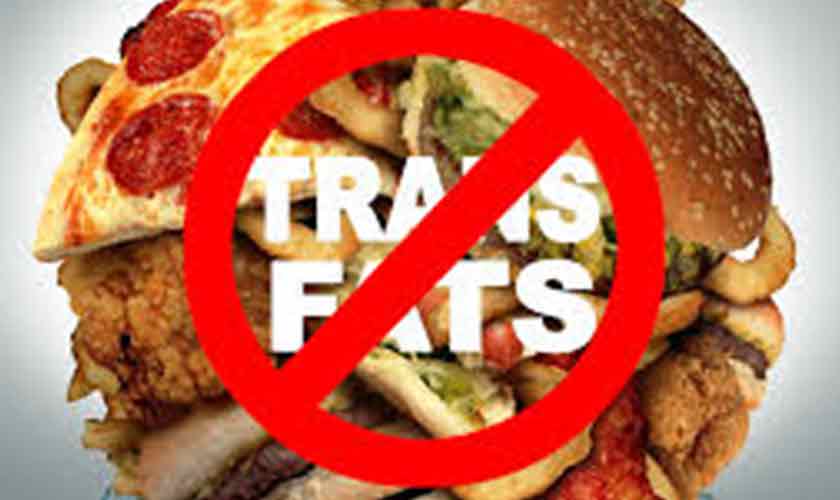
Pakistan is witnessing a troubling surge in NCDs. Cardiovascular diseases now account for nearly 200,000 deaths annually. More than 58 per cent of all deaths in the country are linked to NCDs, driven by a combination of poor diets, lack of physical activity and environmental risks. One of the most insidious contributors to this crisis is industrially produced trans-fatty acids (iTFAs), commonly found in processed foods, snacks and street foods. These fats, largely derived from partially hydrogenated oils (PHOs), increase bad cholesterol and the risk of heart disease exponentially.
In March 2025, Pakistan took a groundbreaking step to turn the tide. The Pakistan Standards and Quality Control Authority (PSQCA) officially approved a best-practice policy limiting iTFAs to less than two per cent of total fats across all food categories. As Director of Nutrition at the Ministry of National Health Services, Regulations and Coordination — and as someone who has long championed stronger nutrition policies — I consider this achievement a transformative milestone in our public health journey.
This success didn’t happen overnight. It is the result of years of relentless advocacy, expert collaboration and shared vision between government institutions and civil society. Recognising the threat trans-fats pose, the ministry threw its support behind the civil society-led initiatives such as the TRANSFORM Pakistan campaign — an alliance comprising Pakistan Youth Change Advocates (PYCA), the Centre for Peace and Development Initiatives (CPDI), Heartfile, the Pakistan National Heart Association and provincial food authorities. In lockstep with the World Health Organisation (WHO), the UNICEF and food regulatory bodies, these partners mobilised communities, engaged with policymakers and kept public health firmly on the agenda.
The first breakthrough came in June 2023, when Pakistan introduced iTFA limits for six food categories. While significant, it was only a partial solution. Many items — particularly those consumed by low- and middle-income households, like baked goods, margarine, street snacks and dairy substitutes — remained unregulated. Recognising these gaps, civil society partners accelerated their push for comprehensive reform. Their efforts led to an expansion in September 2024, covering 58 food categories. The final victory came in March 2025, when PSQCA approved a single, comprehensive standard limiting iTFAs across all food categories — aligning Pakistan with 62 other countries, including Denmark, Thailand and South Africa.
The health benefits of this reform cannot be overstated. The WHO estimates that eliminating iTFAs could prevent up to 17 million deaths globally by 2040. In Pakistan’s context, it could mean fewer hospital visits, less financial strain on families like Asif’s, and a healthier, more productive workforce. It will also reduce the pressure on our already overburdened public healthcare system, offering long-term economic and societal dividends.
But our work is not over. While the regulatory framework is now in place, true progress demands rigorous enforcement and, more importantly, a legislative ban on the production, import, and sale of PHOs, the root source of iTFAs. Regulatory limits are an important safeguard, but only legislation can permanently close the door on harmful trans-fats. Countries like Thailand, Saudi Arabia and Mexico have demonstrated that legal bans are the most effective route to full compliance and public health protection.
The ministry remains resolute in pursuing this next step. We are committed to working with the parliament, civil society, food regulators and global health partners to make it a reality. The road ahead may be complex, but the moral imperative is clear: no one should have to choose between their health and financial security, or between feeding their family and protecting them from harm.
This milestone shows what is possible when government and civil society come together with a shared purpose. It reflects not just our commitment to international standards under the WHO’s REPLACE initiative, but also our responsibility to protect every citizen, especially the most vulnerable, from preventable harm. As we move forward, it’s time to invite food producers, retailers, media, healthcare professionals and the public to join us in completing this mission. Together, we have changed the course of public health in Pakistan. Let us now ensure that every meal is safer, every bite healthier and every heart beats stronger.
The writer is the director, nutrition, at the Ministry of National Health Services, Regulations and Coordination