

Print Story
X




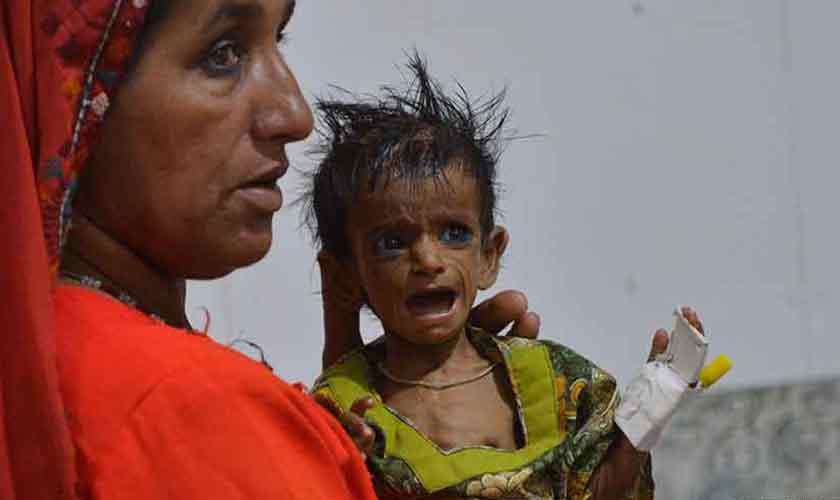
The impact of malnutrition is deeply personal, affecting families in many ways
| B |
alochistan, the largest province of Pakistan, covering 44 per cent of the country’s land area, remains the poorest and the most underdeveloped. Despite abundant natural resources, the province faces alarming poverty, with 71 per cent of its population below the poverty line. In recent years, poverty has worsened. The situation is further exacerbated by rampant unemployment, an escalating mental health crisis and widespread malnutrition among newborns. Political instability, governance issues and persistent violence have long hindered the province’s financial stability, which has left millions to suffer in silence.
One of the most devastating consequences of this ongoing crisis is the high prevalence of malnutrition and stunted growth among children. The lack of access to hygienic and nutritious food has led to severe health issues among infants and young children. According to a 2019 study by the Integrated Food Security Phase Classification, acute malnutrition affects around 400,000 children under the age of five, with more than half the children aged 6-59 months in 14 districts of Balochistan suffering from this life-threatening condition. Among the worst-affected regions is Dasht tehsil in Kech district in southern Balochistan.
Benazir Nashonuma: a lifeline
In an effort to combat malnutrition, the government has launched the Benazir Nashonuma Programme, an initiative aimed at addressing stunting among pregnant and lactating women (PLW) and children under two years of age. This programme provides essential food supplements and healthcare services to vulnerable communities. In Kech district, where malnutrition rates are alarmingly high, the initiative has been a game-changer. With the support of the Benazir Income Support Program and the World Food Programme, 83 health centres, including those at District Headquarters Hospital, Maternal and Child Health centres, Rural Health Centrss and Basic Health Units, are functioning to deliver healthcare services in four tehsils of Kech.
The perception of health-seeking behaviour among local communities has undergone a transformation due to this program. Previously, malnutrition and stunting were often dismissed as normal conditions, with little to no medical intervention. However, awareness campaigns conducted by dedicated health teams have begun to shift this mindset. The presence of local health centres ensures that women and children now have access to much-needed medical support.
Stories of survival and hope
In the remote villages of Kech, the impact of malnutrition is deeply personal, affecting families in many ways. Rozana Ahmed, a housewife and mother from Dasht Kuddan in Kech, had tried various herbal remedies for her malnourished child, only to watch helplessly as its condition worsened. Financially strained and desperate, she found hope at the Benazir Nashonuma Center, where health workers counselled her on proper nutrition. After months of consistent care and therapeutic food interventions, her child’s health has improved dramatically. It has been a transition from severe malnutrition to a normal state. With tears in her eyes, Rozana told me: “I am very thankful to this programme that gave my child a second chance at life.”
Poverty and malnutrition in Balochistan are not just statistics; they are lived realities for countless families. Programmes like Benazir Nashonuma offer a glimmer of hope, but addressing the root causes of this crisis—unemployment, governance issues and food insecurity—requires sustained efforts.
Zainab Bibi, another mother from Kuddan, lost a child to malnutrition some years ago. Determined to ensure that others do not experience the same heartbreak, she became a focal person in her village, spreading awareness about the importance of proper nutrition. She has since educated countless women on dietary needs to ensure that expectant and nursing mothers receive the support they need to keep their children healthy. “After losing two children to malnutrition, I learned how to fight it. I wish the Benazir Nashonuma Programme had been implemented earlier—perhaps I wouldn’t have lost my children.”
Asysha Baloch, a young mother struggling with malnutrition, was barely able to care for her child due to extreme fatigue and dizziness. A doctor visiting her village referred her to the Benazir Nashonuma Programme, where she received therapeutic food and nutritional counselling.
“Within months, my health improved significantly. This allowed me to resume my daily responsibilities with renewed energy and confidence. I was surprised,” she said.
The long road ahead
While the Benazir Nashonuma Programme has brought hope to thousands of families, the fight against malnutrition in Balochistan is far from over. The programme currently targets some of the most impoverished areas, including Kasar, Kuddan, Kunchiti, Zaranbug, Machat, Balneguwar and Dandar in the Kuddan tehsil, where access to healthcare remains a challenge. For lasting change, long-term investment in healthcare infrastructure, food security and economic stability is important.
Poverty and malnutrition in Balochistan are not just statistics; they are lived realities for countless families. Programmes like Benazir Nashonuma offer a glimmer of hope, but addressing the root causes of this crisis—unemployment, governance issues, and food insecurity—requires sustained efforts. As the province struggles to break free from the cycle of poverty, the stories of mothers like Rozana, Zainab and Asysha serve as reminders for urgent need for continued intervention.
The silent crisis in Balochistan demands attention. Both provincial and federal government and NGOs must step up to ensure that no child goes to bed hungry and that every mother has the means to nourish her family.
For a long time, both provincial and federal governments have focused their efforts on addressing poverty in Balochistan’s urban centres, leaving remote villages neglected.
“Sixty to seventy per cent of Balochistan’s population lives in rural areas, where they are vulnerable to malnutrition, hunger and disease. The attention given to cities and district headquarters has overshadowed the needs of these rural communities,” says Shazia Aziz, a schoolteacher in Kuddan.
The writer is a psychologist.