Print Story
X




The Khyber Pakhtunkhwa government needs to focus on security, education and poverty reduction
| K |
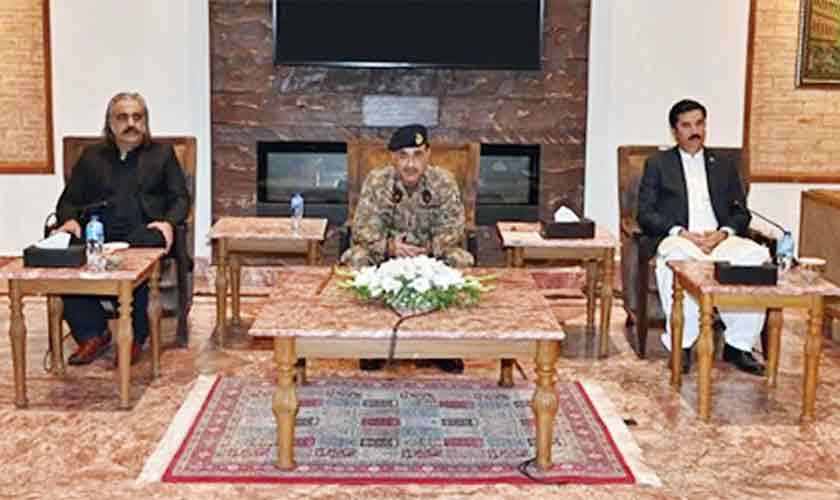
hyber Pakhtunkhwa has witnessed a tumultuous period marked by persistent violence and terrorism. While significant strides have been made towards quelling extremism, security situation in the region remains tense.
The resurgence of militant groups, most notably the Tehreek-i-Taliban Pakistan, has cast a long shadow. These groups have launched targeted attacks on security personnel, civilians and vital infrastructure, precipitating an atmosphere of pervasive fear and instability. The problem is aggravated by the porous border with Afghanistan.
The consequences extend far beyond the immediate body count. The omnipresent threat of violence has choked economic activity, stifled investment and decimated the tourism sector. The psychological toll on the populace, particularly women and children, is immeasurable.
The province has also struggled with governance. Pervasive corruption has stymied development initiatives, diverted precious resources and eroded public trust in institutions. The words ‘transparency’ and ‘accountability’ are mere whispers in the wind. This lack of governmental probity has created a fertile breeding ground for extremist ideologies to flourish.
The effects of this governmental dysfunction are palpable across various sectors. The education system, for instance, is crippled by inadequate funding, a dearth of qualified educators and a crumbling infrastructure. This has resulted in abysmal literacy rates and severely limited access to quality education, especially in rural areas. The healthcare system mirrors is plagued by insufficient facilities, a shortage of medical professionals and abysmal access to care, particularly in remote regions.
To make matters worse, the people of Khyber Pakhtunkhwa face a scarcity of basic necessities – clean water, reliable electricity and adequate sanitation. This lack of essential services significantly impacts their quality of life and contributes to the region’s pervasive underdevelopment. Addressing these challenges requires a comprehensive strategy. Strengthening security measures, bolstering border control and enhancing counter-terrorism operations are paramount in combating militancy. It is equally important to tackle the root causes of extremism: poverty, unemployment, and a dearth of opportunities. It’s not just about fighting the symptoms; we also need to cure the disease.
The people of Khyber Pakhtunkhwa have shown incredible resilience in the face of hardship. However, lasting peace and sustainable development hinge on concerted, collaborative efforts by the government, security forces and the local communities. Addressing the security concerns, improving governance and fostering economic growth are vital ingredients in creating a more hopeful future for Khyber Pakhtunkhwa.
Regional cooperation is indispensable. Effective border management and intelligence sharing with neighboring Afghanistan are essential to stem the flow of militants and weapons. Joint counter-terrorism efforts and a unified front can be far more effective than isolated actions.
First of all there is a need to address socioeconomic issues. Poverty is the breeding ground for radicalisation. Investing in infrastructure, creating jobs – sustainable livelihoods, not just handouts – is paramount. Think of it as giving people a stake in the future, a reason to reject extremism. Education and skills training are equally important. Empowering people with knowledge and marketable skills gives them agency. They then have a chance to build a better life and are less susceptible to extremist rhetoric. And let’s not forget women. Empowering women – through education, economic opportunities and leadership roles – strengthens the entire social fabric. It’s a game-changer.
The government must engage local communities directly. This isn’t a top-down approach; it’s about fostering a sense of ownership. Working with religious leaders, tribal elders and civil society groups is crucial. They are the linchpins of their communities, the people who hold sway. The government also needs to actively counter extremist narratives not just through official handouts but also through community-led initiatives and media campaigns that resonate. It must promote alternative viewpoints that champion peace and interfaith harmony. Rehabilitation and reintegration programmes for those giving up extremist violence are also vital. There is clear need to offer them a path back to society, a chance to redeem themselves. It is about extending a hand, not just a fist.
Strengthening governance and the rule of law is another key pillar. Transparency and accountability are essential. Corruption erodes trust, a vital ingredient for peace. Improving law enforcement, intelligence gathering and ensuring justice for all is crucial. It is equally important to ensure that human rights are respected at every stage. Undermining human rights only fuels resentment and pushes people further into the arms of extremists. It is a delicate balancing act, but a necessary one.
Regional cooperation is also indispensable. Effective border management and intelligence sharing with neighbouring Afghanistan are essential to stem the flow of militants and weapons. Joint counter-terrorism efforts and a unified front can be far more effective than isolated actions.
Finally, we need a long-term vision. Integrating peace education into the school curriculum – fostering tolerance empathy and critical thinking – is an investment in the future. Building resilient communities, encouraging interfaith dialogue and strengthening social cohesion are all part of this long-term strategy. It’s about creating a society where extremism doesn’t take root.
Eradicating extremism in Khyber Pakhtunkhwa requires a sustained, comprehensive effort. It’s not a sprint; it is a marathon. Addressing the root causes, empowering communities, strengthening governance and fostering regional cooperation are all vital components of a strategy likely to succeed. It demands a long-term commitment, consistent actions and a willingness to adapt and evolve as needed. The path to lasting peace is paved with patience, perseverance and a profound understanding of the challenges faced by the region.
The writer is central information secretary of Awami National Party. He can be reached at anpspox@gmail.com