Print Story
X




Health policy, programmes and initiatives faced several setbacks in 2023
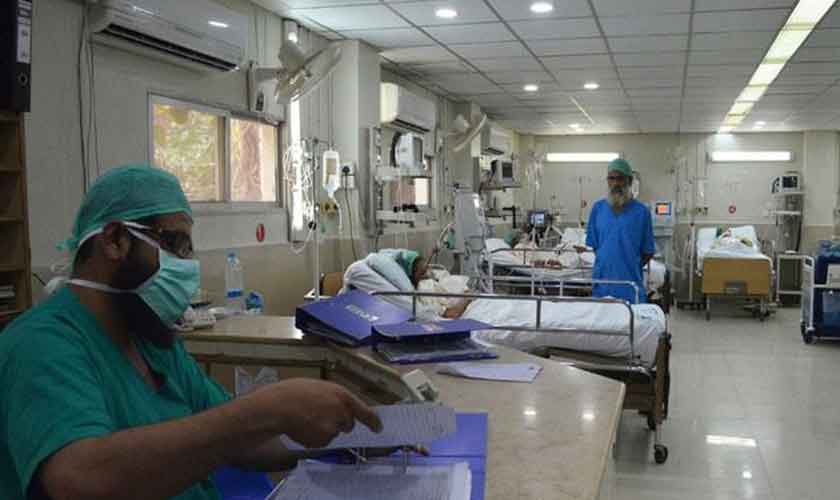
Healthcare in Pakistan continued to suffer major setbacks in 2023, with polio paralysing six more children in Khyber Pakhtunkhwa and Karachi; an alarming rise in water and vector-borne diseases; the highest number of malaria cases in the world; acute medicine and medical equipment shortages; increase in deaths and disability due to non-communicable diseases (NCDs) including cardiovascular disease, stroke, diabetes and hypertension; outbreaks of vaccine-preventable diseases including measles, diphtheria and tetanus; and rising maternal and child deaths.
Spending on healthcare remained low partly due to the prevailing economic crisis in the country. This resulted in severe shortages of essential medicines and medical devices in the first half of the year. Even by the end of the year, several essential medicines were not available at the pharmacies and hospitals. The cost of healthcare nearly tripled due to rising inflation and worsening rupee-dollar parity.
Polio emerged as the biggest challenge. Six children were crippled by the Wild Poliovirus 1 in Khyber Pakhtunkhwa and Karachi. The poliovirus spread to the entire Pakistan as over 90 environmental samples tested positive for the polio, damaging efforts for polio eradication despite huge national and international funding as well as sacrifices by the security personnel and polio workers.
One of the major challenges was the extreme shortage of medicines at the start of the year as the pharmaceutical sector faced extreme difficulties in getting foreign exchange to buy raw materials. The massive rupee devaluation also increased the production cost, forcing many companies to abandon production of many essential as well as over the counter drugs. Panadol and various brands of paracetamol remained unavailable in the first six months. Many other essential drugs, including heparin, cancer treatment therapies, vaccines and antipsychotic drugs, also remained unavailable to the patients.
Shortage of some locally manufactured medicines and imported drugs flooded the markets with spurious and counterfeit medicines. The counterfeiters endangered the lives of millions of people by supplying fake anaesthesia drugs, life-saving antibiotics, cancer therapies, vaccines and blood thinning agents, among others.
The economic crisis also caused a shortage of medical devices after banks refused to open letters of credit (LCs). Most of the devices and equipment are imported into the country. Elective angioplasties could not be performed at many health facilities across Pakistan due to shortages of stents early in 2023. Shortages of heart valves, X-ray films and radioactive materials for various diagnostics and medical interventions also enhanced the sufferings of the patients across the country.
On infectious diseases (ID) front, Pakistan continued to see an alarming rise in HIV cases as every month, on average, over 1,000 new HIV cases were reported. By the end of 2023, around 12,000 new HIV cases had been reported from the four provinces and federal territories including Islamabad, Kashmir and Gilgit Baltistan due to spread of the disease in the general population from the key populations or the groups having high-risk behaviour.
Hepatitis B and C infections remained high throughout the country due to poor infection prevention and control measures. No preventive programme was launched to disrupt the transmission of viral hepatitis in the country.
Tuberculosis (TB) continued to pose a serious challenge to the country’s healthcare. More than 550,000 new cases emerged in 2023, including thousands of multi-drug-resistant (MDR) TB cases, which are extremely hard to treat. These made Pakistan the fifth highest-burden country in prevalence of TB in the world.
Water-borne diseases emerged as the biggest public health issue for Pakistan in 2023 due to devastating floods in Sindh and Balochistan in 2022. Every month, around 600,000 cases of acute watery diarrhea, suspected cholera, typhoid and other water-borne diseases were reported. The diseases caused a large number of child deaths in the affected areas.
Among vector-borne diseases, more than 3 million cases of malaria were reported from Sindh, Balochistan and Khyber Pakhtunkhwa, although the Punjab remained free of the disease. Dengue fever and Congo Crimean hemorrhagic fever (CCHF) also caused a large number of deaths as outbreaks were reported across Pakistan.
Vaccine preventable diseases (VPDs) caused hundreds of deaths among children despite the expenditure of billions of rupees on the country’s immunisation programme. There were hundreds of outbreaks of measles, diphtheria, tetanus and pneumonia from Karachi to Khyber Pakhtunkhwa.
Anti-microbial resistance (AMR) became one of the most serious challenges in the country as Pakistanis consumed antibiotics worth Rs 135 billion in the 12 months. No policy was made to prevent the misuse of antibacterial medicines consumed irresponsibly in the country.
On the other hand, NCDs remained major killers. These included the cardiovascular disease, which was the major cause of mortality in Pakistan. Still, no preventive programmes were launched to control the risk factors, including smoking, hypertension, obesity and diabetes. An alarming increase in the number of diabetics and people with hypertension was also observed in 2023.
Despite lengthy meetings, seminars and conferences throughout the country, no visible change in the healthcare policy was witnessed during the year. Services under the Sehat Sahulat Programme in the federal capital and the KP were suspended due to financial crunch. Burden on the public sector healthcare facilities continued to rise in the absence of primary healthcare facilities. Many people were forced to seek medical care at private health facilities.
Sindh managed to get the breast milk substitute law passed and promulgated despite resistance by the formula milk manufacturing companies. However, a similar law could not be passed in other provinces and federal territories. Ban on smoking for children remained a dream.
The writer is an investigative reporter, currently covering health, science, environment and water issues for The News International