

Print Story
X




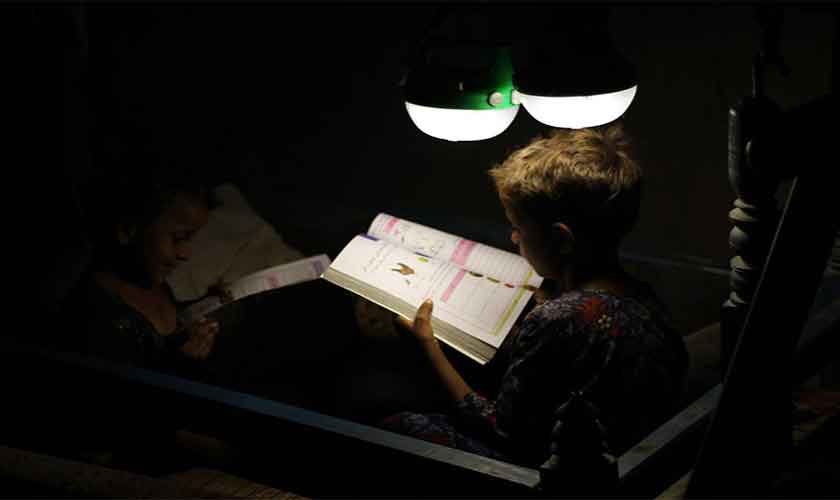
Children in Sindh await basic school facilities and easier access to education
| E |
ducation is a basic right and a necessity for under-represented communities to grow and overcome systemic barriers. Providing access to quality education can lead to opportunities for socio-economic mobility, improved health and well-being and a more equitable society. A significant number of children in Sindh are still out of school. According to recent estimates, around 6.5 million children are not attending school, which is a major cause for concern. More than 60 percent of out-of-school children in Sindh are girls. A crucial step towards improving the education system in Sindh is to address the shortage of school facilities, especially for girls. Many girls drop out of school due to lack of facilities like washrooms, water supply and boundary walls.
Despite constitutional provisions and efforts by the governments, Sindh still has a low literacy rate. The lack of implementation of laws and socioeconomic factors such as high population growth rate and cultural norms contribute to this problem. Umerkot is an example of an area with a particularly low literacy rate, especially among non-Muslim populations living in poverty.
According to the Annual Status of Education Report (ASER) and Alif Ailaan, the overall literacy rate (for the population 10 years of age and above) is 40 percent; for males, it is 61 percent, and for females 23 percent. The urban literacy rate is 55 percent (male: 67 percent and female: 41 percent) and the rural literacy rate 41 percent (male: 60 percent and female: 19 percent). The adult literacy rate (for the population 15 years of age and above) is 38 percent. The 2022 floods severely damaged much of the school infrastructure, further worsening the situation.
The root causes behind out-of-school individuals are often reported as poverty, discrimination and other socio-economic factors. However, the real cause of the high out-of-school ratio is the lack of facilities and inadequate support from the School Management Committees (SMCs), which are often powerless and ineffective.
A multi-faceted approach is needed to address these challenges and ensure that all children in Sindh have access to quality education. The following are some suggestions in this regard:
Prioritising high-risk schools:
Most of the existing buildings constructed a long time ago have seen multiple floods and other disasters. However, the government has not taken significant steps to improve these buildings. The flood in 2022 had a severe impact on many structures.
The Education Department should prioritise the repair of high-risk schools and focus on addressing the hazards.
Providing necessary facilities:
There is a need to focus on providing missing facilities like furniture and washrooms to ensure that schools are equipped to meet the needs of their enrolled students, especially girls. It’s essential to ensure that there is enough furniture available for all students to create a conducive learning environment. The government can play a significant role in improving the education system by allocating sufficient funds for education, implementing policies to encourage enrollment and retention of children in schools and monitoring the effectiveness of SMCs.
SMCs capacity building:
Once the missing facilities have been provided by the government, the responsibility for maintaining those falls on various stakeholders, including the School Management Committee (SMC), parents and teachers. SMCs are a critical part of the education system. These are responsible for managing schools. However, the low capacity of their chairpersons has resulted in many dysfunctional SMCs, leading to under-utilisation of funds and neglect of school infrastructure. As a result, children are left without basic facilities, and the quality of education is severely compromised.
To address this issue, it’s crucial to empower the SMCs by providing their chairpersons with the necessary skills and knowledge to improve their effectiveness. The SMCs can play a critical role in improving the education system in Sindh by monitoring school performance, ensuring accountability and mobilising resources to improve infrastructure and facilities.
Focusing on SCR and STR:
Currently, a school teacher is responsible for more than 100 students. Better school classroom ratio (SCR) and school teacher ratio (STR) can help increase enrollment and improve the quality of education. Reducing the number of students per classroom and ensuring an adequate number of teachers, can help schools pay more attention to each student, improve the quality of education, and potentially increase enrollment.
Encouraging philanthropy:
Encouraging small contributions from SMCs can also enhance their effectiveness and significantly impact schools. District and tehsil education officer, supervisors and SMCs can raise funds through various means, such as community donations or organise fundraising events. These funds can be used to improve school infrastructure, provide necessary facilities and incentivise teachers to deliver quality education.
Community awareness and parental involvement:
There is a need to increase community awareness about the importance of education and encourage parental involvement in the education system. By involving parents in their children’s education, schools can create a more supportive and conducive learning environment. The government can organise awareness campaigns and workshops to encourage parental participation. Community members can monitor school performance and provide feedback to improve their effectiveness. Non-government organisations can also play a role.
Vocational and technical training programmes:
While traditional education is essential, vocational and technical education can also significantly improve the education system in Sindh. By providing practical skills and training, vocational and technical education can prepare the youth for employment and increase their chances of economic success. The government can encourage the development of vocational and technical education programmes, such as apprenticeships and vocational training centres, to supplement traditional education. Such programmes can be arranged using school buildings in the evenings.
Investing in alternative energy sources:
In areas with limited access to electricity, investing in alternative energy sources such as solar power can be a viable solution. When schools have a reliable source of electricity, students can have access to computers etc. This can enhance their learning experience. Alternative energy sources can also reduce schools’ dependence on fossil fuels and help mitigate the negative environmental impact.
Future leaders:
Children groups/ future leaders’ committees at schools can effectively engage children in school activities and improve their participation in decision-making processes. These committees can be used to encourage children to share their thoughts and ideas on various school-related issues and promote their leadership skills.
Targeted support for girls:
Efforts should be made to address the cultural norms that prevent girls from attending school. Targeted support should be provided to families to encourage them to send their daughters to school. Female teachers can lead this effort.
Parent updates:
Teachers play a crucial role in shaping a child’s education and future. In Sindh, many teachers lack necessary training/ qualification. This can result in low-quality education and disengaged students. To improve the quality of education, it is crucial to encourage teachers to focus on every child’s individual needs and strengths and provide regular updates to parents on their child’s progress. This can help identify any issues early on and address them promptly.
School performance strategies:
The effectiveness of school-wise progress should be regularly monitored and evaluated by TEO and DEO to ensure that they are achieving their goals. This will help identify areas where improvements are needed and ensure that resources are being used effectively. Mid-term evaluations can increase effectiveness.
A successful model for improving education through active involvement of School Management Committees (SMCs) is the Community-Led School Improvement model in Uganda.
The CLSI model is a participatory approach to school improvement. It involves SMCs, parents and community members to identify and address the challenges faced by underperforming schools. The model has been successful in improving education quality and access by involving the community and using existing resources to address the schools’ needs.
In this model, SMCs play a central role in mobilising the community and identifying the schools’ needs. They receive training and support in financial management, project planning and monitoring and evaluation to help them effectively manage resources and implement school improvement projects.
According to a study by the World Bank, schools implementing the CLSI model in Uganda have shown significant improvements in reading and math scores compared to non-CLSI schools.
In India, the Sarva Shiksha Abhiyan (SSA), a nationwide programme aimed at providing quality education to all children, provides financial support to families living in poverty, as well as to schools in rural areas to help them provide quality education.
Examples of success can inspire and motivate others. The Meghwar community in Sindh has achieved great success through education. Showcasing such success stories can inspire others and encourage them to learn.
The writer is based in Umerkot. He has more than 13 years of experience in the development sector. He can be reached at shewaram@live.com