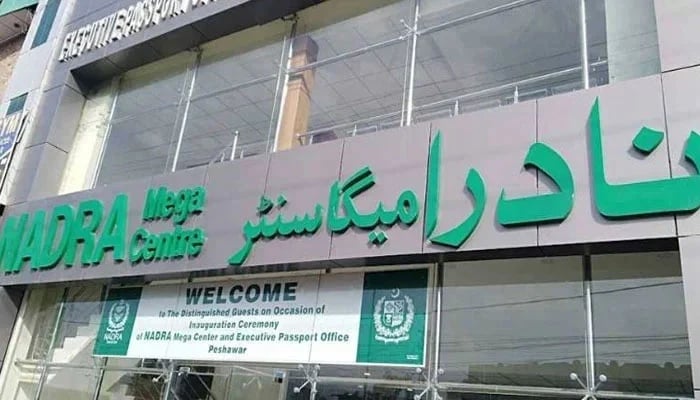
ISLAMABAD: The National Database and Registration Authority (NADRA) spent over Rs 1.54 billion on fuel and more than Rs 298.2 million on vehicle repairs during the last three years. The House was informed by Interior Minister Mohsin Naqvi in a written reply during Question Hour on Wednesday.
Providing the details of NADRA’s expenditure under the heads of ‘Newspapers and Magazines’, ‘POL (Petrol, Oil, Lubricants) for Vehicles’, and ‘Repair & Maintenance of Vehicles’ over the last three years, the Interior Minister stated that NADRA maintains 823 operational vehicles.
The expenditure under ‘Newspapers and Magazines’ was Rs 2,572,724 in 2022-23, Rs 1,301,261 in 2023-24, and Rs 527,697 in 2024-25. Expenditure for ‘POL of Vehicles’ was Rs 478,417,340 in 2022-23, Rs 587,052,209 in 2023-24, and Rs 481,370,943 in 2024-25. Under ‘Repair & Maintenance of Vehicles’, expenditure was Rs 133,282,821 in 2022-23, Rs 149,800,169 in 2023-24, and Rs 158,209,927 in 2024-25.
This information was provided in a written reply to a question from Sher Afzal Khan, who had requested the year-wise details of expenditures on the purchase of newspapers, magazines, and vehicle fuel, along with details of vehicle repairs at NADRA during the last three years. He also asked for details of reductions made in compliance with government austerity measures and reasons for any non-compliance.
The Interior Minister stated in his written reply that, under austerity measures, no vehicle was procured in the last year. To ensure financial discipline, NADRA has refrained from purchasing any new vehicles during the past year, and existing vehicles are being utilised optimally to meet official requirements. The movement of vehicles is controlled and monitored through trackers. Additionally, the expenditure on the purchase of newspapers has been minimised, with shared access introduced where possible instead of providing multiple copies for individual offices.