
Pakistan seeks WHO support for Rs68bn hepatitis C elimination plan
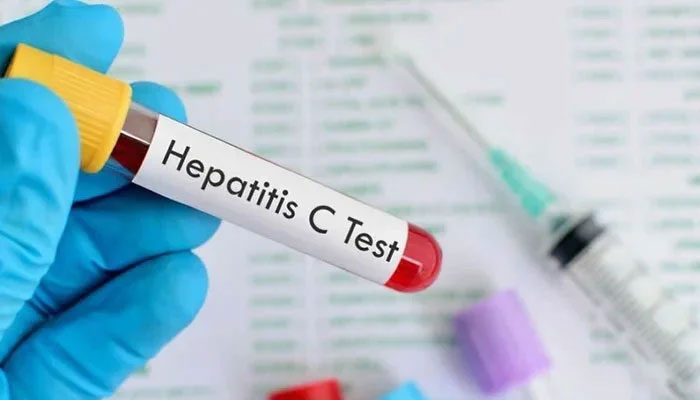
ISLAMABAD: Pakistan has sought technical guidance and fundraising support from the World Health Organization (WHO) to implement its ambitious Rs68 billion national hepatitis C elimination programme, as officials warned the disease has already affected nearly 11 million people across the country.
At a high-level meeting at WHO headquarters in Geneva, Prof. Saeed Akhter, Chairman of the Pakistan Kidney and Liver Institute (PKLI) and a member of the Prime Minister’s Taskforce on Hepatitis C Elimination, presented the government’s newly approved implementation plan. He briefed WHO experts on Pakistan’s strategy and appealed for assistance in mobilising resources to ensure the programme’s sustainability.
WHO officials, including Dr. Fumne Lesi, Dr. Matteo Zingal, and Dr. Daniel Low-Beer, shared successful models from other countries, highlighting that every dollar spent on hepatitis programmes returns eleven dollars in saved health costs and avoided human suffering. They assured Pakistan of full support from WHO’s headquarters, regional office, and country office, and discussed possible avenues for raising funds.
Pakistan carries one of the world’s heaviest hepatitis C burdens, with nearly 11 million people infected and hundreds of thousands of new cases reported annually, largely due to unsafe medical practices, poor infection control, and limited public awareness. The disease has become a leading cause of liver cirrhosis and cancer, inflicting a severe toll on families and the national health system.
The recently approved Rs68 billion PC-1 outlines a comprehensive strategy involving mass screening, free diagnostic services, and the provision of modern antiviral medicines that cure over 95pc of patients. It also emphasises strict infection prevention protocols at hospitals, clinics, and blood banks to curb transmission.
The Geneva meeting was also attended by Pakistan’s Ambassador to Switzerland, Dr. Marghoob Butt, while Dr. Safdar Pasha from WHO’s Pakistan office joined remotely. WHO experts welcomed Pakistan’s plan and stressed that its success would depend on effective execution, community-level outreach, and sustained financing. Health officials believe that with full commitment, Pakistan could eliminate hepatitis C within a decade, saving millions of lives and billions of rupees in treatment costs.




-
 State institutions ‘fail’ to perform constitutional duties: KP CM
 -
 CTD orders psychological testing of police on VVIP security duty
 -
 Navy busts drug consignment valued at $130m
 -
 Three ex-secretaries in race for ETPB chief post
 -
 Punjab govt forms 71 JITs to probe cases against banned TLP
 -
 Some UNSC members ignoring broader reforms, seeking privilege: Pakistan
 -
 PAC body discusses non-recovery of Rs15bn gas cess
 -
 Pakistan received $2.29bn foreign loans in first 4 months of 2025